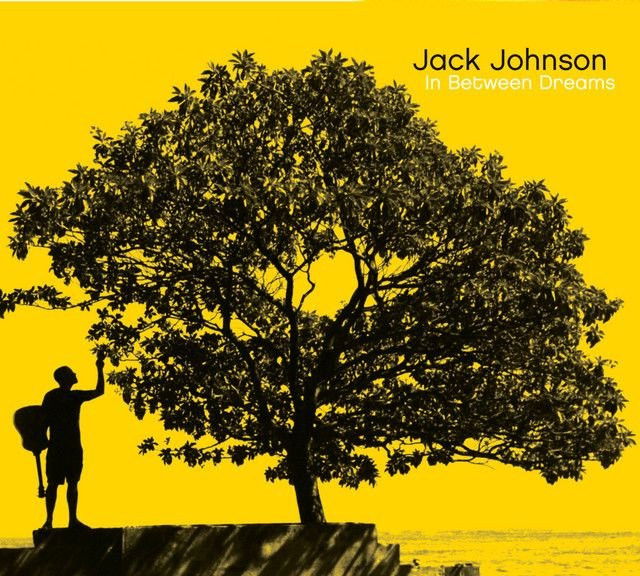
Why “Good People” by Jack Johnson Still Hits
The meaning of Good People Jack Johnson comes down to one big worry: modern media can reward chaos so much that ordinary decency starts to feel invisible. In this song, they do not hear a simple protest track. They hear a calm but pointed critique of television culture, public attention, and the way people get trained to accept whatever flashes in front of them.
"Good People" - Jack Johnson
So what's it gonna be
'Cause people will tune in
Loading lyrics...
Unable to load lyrics
We're unable to display the lyrics at this time. Please try again later.
Jack Johnson released “Good People” on In Between Dreams in 2005, a record that helped define his mellow acoustic style and broad audience reach. The album and song details are documented in standard music databases such as AllMusic and Discogs. Even without heavy production or dramatic vocals, the song carries a sharp social message.
A Quiet Song With a Loud Complaint
At the center of the track is a simple question: why do ethical, grounded people seem absent from the culture that gets broadcast to everyone? The hook keeps returning to Where did all the good people go
, but the song is not literally saying good people have disappeared.
Interpretation: It suggests that media platforms often favor shock, conflict, and empty chatter over integrity. The speaker keeps scanning what is on offer and finds very little that feels nourishing or truthful.
That is why the line about changing channels matters so much. When they hear changing channels
, it points to restless searching. The speaker is not passive at first; they are looking for something better. The problem is that every stop seems to deliver more of the same.
Watch the official Good People
music video
The Target Is Bigger Than Television
Although the lyrics mention TV directly, the song’s criticism reaches beyond one device. The phrase On the TV shows
works as a symbol for mass media in general: entertainment, news, advertising, and all the systems that shape what people notice.
The early verse frames media as performance. The line it’s your show now
makes public life sound like a staged event where attention matters more than truth. Soon after, the song asks how many disasters people need to watch before they lose touch with what should matter.
That idea gives the song its moral urgency. It is not only about bad programming. It is about desensitization.
How the Lyrics Build That Theme
The verses move in a clear pattern:
- They describe spectacle and public appetite.
- They show frustration with misinformation and empty noise.
- They admit how easy it is to get pulled along anyway.
- They return to the chorus question as a moral check.
One of the smartest lines in the song is Gimme some truth
. It is short, but it cuts through the clutter. After images of bad news, misuse, and chatter, the speaker asks for honesty in plain language.
Then the song turns more uncomfortable. It admits that viewers can slip into obedience, almost without noticing. The speaker says they are in the mood to obey and be led astray, which sounds ironic but also honest. The track does not only blame broadcasters. It also questions the audience.
Wrong or resolute
I’m in the mood to obey
Station through station
Desensitizing the nation
This is the song’s harshest point. It argues that constant exposure can numb people, even when they know something feels off.
The Chorus as a Moral Mirror
The chorus is catchy, but it is not comforting. It acts like a mirror held up to the culture. Every time the question returns, listeners are pushed to ask not just where the “good people” are, but why they are harder to see.
The closing thought about getting what we sow
deepens the message. That phrase suggests responsibility. Culture is not only made by executives or hosts. Audiences also help create it through attention, habits, and tolerance.
Interpretation: The song’s real sting is that society may be harvesting the results of what it keeps rewarding.
Why the Sound Makes the Message Stronger
Part of what makes “Good People” memorable is the contrast between form and message. Johnson’s acoustic guitar, relaxed groove, and warm vocal delivery make the song feel approachable rather than furious. That matters.
If the same lyric came with aggressive production, it might feel like a rant. Instead, the laid-back arrangement suggests weary clarity. They are not screaming at listeners. They are inviting them to notice what has become normal.
This matches Johnson’s broader style as a singer-songwriter known for easygoing acoustic textures and socially aware themes, as reflected in artist overviews from sources like Britannica and AllMusic. The softness of the delivery makes the criticism easier to absorb.
A Few Stronger Readings
There are at least two solid ways to hear the song.
Reading One: A media critique
This is the clearest reading. The song pushes back against sensationalism, repetitive bad news, and entertainment that replaces substance with distraction.
Reading Two: A warning about passive citizenship
Interpretation: The song may also be about civic fatigue. When people stop questioning what they are shown, they become easier to manage. In that reading, “good people” are still present, but they are being drowned out by louder systems.
Why It Still Feels Current
The meaning of Good People Jack Johnson still connects because its core complaint did not end with cable TV. In the streaming and social media age, the same questions remain: what gets rewarded, what gets repeated, and what happens to empathy when outrage becomes content?
That is why the song still lands. It is gentle on the surface, but underneath it asks whether a culture can keep feeding on noise without losing part of its moral center.
Disclaimer: This article offers interpretation alongside basic song facts. Meaning can vary by listener, and no single reading is the only correct one.








