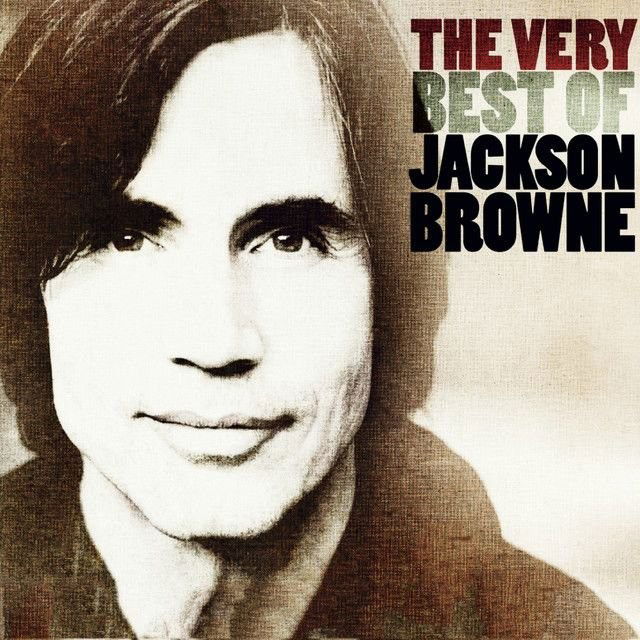
Why Browne's Breakup Song Still Hurts
The meaning of Here Come Those Tears Again Jackson Browne centers on a painful kind of backsliding. The singer is not devastated because a breakup just happened. They are upset because they were finally starting to recover, and then the former partner reappears.
"Here Come Those Tears Again" - Jackson Browne
Just when I was getting over you
Just when I was going to make it through
Loading lyrics...
Unable to load lyrics
We're unable to display the lyrics at this time. Please try again later.
That difference matters. This is a song about grief returning on schedule, almost like weather. It shows how heartbreak can feel less like a dramatic ending and more like a cycle that keeps restarting.
A Reunion That Reopens the Wound
At its core, the song describes an ex showing up after leaving and trying to resume emotional closeness. The singer had almost made it through another night
without collapsing into memory. Then the sound of the other person approaching breaks that fragile progress.
The hook, Here come those tears again
, is simple but powerful. It does not describe a choice. It describes a reaction. The tears arrive on their own, which suggests the body remembers pain even when the mind is trying to stay strong.
Interpretation: The song is not only about sadness. It is also about the fear of being pulled back into a relationship pattern that has already done damage.
Watch the official Here Come Those Tears Again
music video
Who Is Speaking, and What Do They Want?
The narrator speaks in the first person, but the emotional setup is easy for listeners to recognize. They are talking directly to someone who has left before, returned before, and now seems to want understanding again.
The key conflict is not whether love still exists. It probably does. The real issue is trust. When the singer wonders if they can let you in
, they are asking whether love is worth the cost of fresh pain.
This gives the song its mature tone. It does not sound like revenge. It sounds like someone trying to protect a healing version of themself.
The Story Unfolds in Small, Human Beats
The narrative is clear and painfully ordinary:
- The singer is trying to get through a lonely night.
- The ex suddenly returns.
- Old explanations are repeated, including the need for space.
- The singer realizes the emotional wound is still open.
- They choose distance instead of another immediate reunion.
One of the song’s smartest details is how the returning partner seems to act as if nothing really changed. That makes the sadness sharper. The singer is dealing with the full history, while the visitor appears ready to skip over it.
Walk away
turning out those lights
That brief closing image captures withdrawal and self-protection. Darkness is not presented as comfort, but it is at least safer than facing the person who caused the tears.
Why the Chorus Lands So Hard
The chorus works because it turns emotion into repetition. Instead of saying, “I am crying,” the song frames tears as something that keeps returning, just like the ex. In that sense, the chorus mirrors the plot.
There is also a quiet irony in the middle section. The ex explains personal growth and asks, in effect, to be understood. But the singer hears all of that through fresh hurt. The line about being told how to hold the tears back suggests a mismatch: the returning partner may want closure or forgiveness, while the singer is still flooded by feeling.
Interpretation: The chorus says that unfinished relationships do not stay in the past. They come back physically, emotionally, and even physically in the body as tears.
Sound and Production: Sadness With Restraint
Jackson Browne is known for introspective songwriting and polished California rock arrangements, and this song fits that lane. It was written by Jackson Browne and Nancy Farnsworth, according to the songwriting credit provided in the song’s release information.
Musically, the track avoids melodrama. The arrangement is steady, smooth, and measured. Rather than exploding, it leans into controlled sadness. That restraint matters because the singer is trying not to fall apart, even while the song shows that they still can.
The rhythm section keeps moving forward, which mirrors the effort to survive the night and continue healing. Guitar and keyboard textures soften the edges, creating a feeling of late-night reflection rather than confrontation. Browne’s vocal delivery also helps: they sound tired, wounded, and self-aware, not theatrical.
Artist Context Helps Explain the Emotion
Browne’s best songs often explore the cost of memory, regret, and emotional honesty. This one belongs to that tradition. It focuses less on blame than on the complicated afterlife of love.
That is why the song still resonates. Many breakup songs are about the split itself. This one is about what happens after the dramatic moment is over, when people return with explanations, apologies, and familiar energy. The singer’s response is believable because it is conflicted: they may still care, but caring is exactly what makes the situation dangerous.
A Few Strong Readings of the Song
The clearest reading
The most direct reading is that this is a song about an ex returning too soon. The singer is simply not healed enough to reopen the door.
A deeper emotional reading
Interpretation: The song can also be heard as being about relapse in a broader sense. The tears are not just sadness; they are the return of an old self the singer has been trying to outgrow.
Why This Song Endures
The meaning of Here Come Those Tears Again Jackson Browne lasts because it captures a familiar truth: recovery is not a straight line. A person can feel strong one hour and undone the next.
Browne’s song understands that heartbreak often returns wearing a friendly face. And sometimes the bravest thing in a love song is not saying yes. It is choosing the dark room, the closed door, and the chance to heal.
Disclaimer: This interpretation is based on the released lyrics, songwriting context, and the song’s performance. As with any art, listeners may hear different meanings in it.







