Why "Song for Adam" Still Feels Unfinished
The meaning of Song for Adam Jackson Browne lies in its refusal to make grief simple. Jackson Browne turns a song about a dead friend into something larger: a meditation on how little people may know each other, even when they care deeply. Instead of offering closure, the song sits inside confusion, memory, and self-doubt.
"Song for Adam" - Jackson Browne
I did not know him well
He was alone into his distance
Loading lyrics...
Unable to load lyrics
We're unable to display the lyrics at this time. Please try again later.
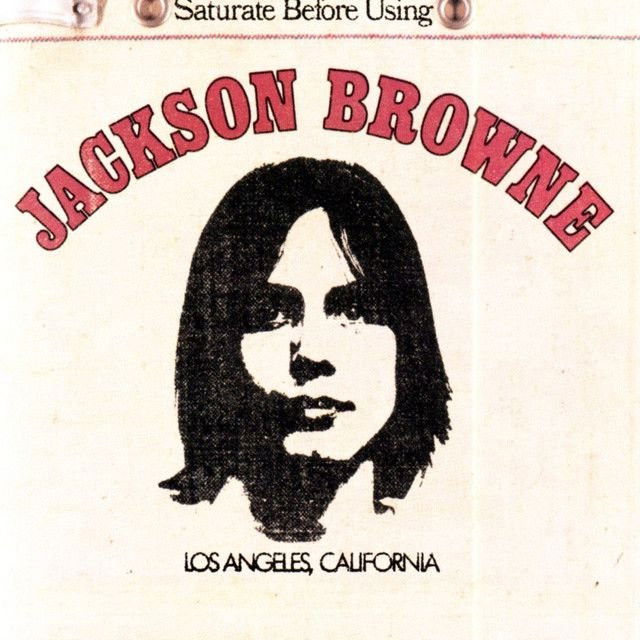
First released on Browne’s 1972 debut album, Jackson Browne, the track helped establish the reflective style that would define much of his early work. That album is widely documented as his first studio release and a key entry in the singer-songwriter era. In this song, they present loss not as a dramatic event but as a wound that keeps opening as memory returns.
A Portrait of Friendship, Distance, and Loss
At the song’s core is a painful admission: the narrator calls Adam a friend, yet also confesses he did not fully know him. That tension shapes the entire piece. The early lines present Adam as inward and hard to reach, someone who lived at a private emotional distance.
The phrase deep into his well
suggests hidden depth, isolation, or depression. Browne does not explain Adam in neat terms. Instead, they show how a person can seem vivid and mysterious at the same time.
The next emotional turn comes in the line about how people say Adam jumped
, while the narrator keeps thinking he fell
. That contrast matters. It shows the struggle between public explanation and private feeling. One version sounds deliberate; the other sounds tragic, accidental, or at least harder to judge.
Interpretation: this is one of the song’s key ideas. Browne may be showing how grief resists blunt language. Even if others claim to know what happened, the mourner cannot accept such certainty.

Watch the official Song for Adam
music video
The Story Moves Like Memory
Rather than tell a straight plot, the song unfolds in fragments, almost like recollections surfacing one after another. That structure mirrors mourning itself.
Three moments that define the song
- They remember traveling together when life still felt open.
- They part ways, still laughing, without knowing it is a final goodbye.
- The news of Adam’s death arrives later, indirectly, and changes everything.
This sequence is simple, but the emotional effect is deep. The memory of shared youth makes the death hurt more because it exposes how unaware people are in the moment. They rarely know when an ordinary goodbye is the last one.
One of the song’s saddest ideas appears in the image that Adam stopped singing in the middle of his song
. Browne paraphrases death as interruption. A life is not neatly completed; it breaks off before it can resolve.
The Candle Image Is the Song’s Emotional Center
The candle is the song’s strongest symbol. Each time it returns, it adds another layer to the meaning of Song for Adam Jackson Browne.
On one level, the candle is a small source of light in darkness. It suggests limited understanding. The narrator is trying to make sense of death, but the light is weak. It can illuminate only part of the path.
On another level, the candle represents life itself. As it burns down, time passes, and mortality becomes visible. The song does not only mourn Adam. It makes the narrator aware of their own fragile progress through life.
I'm holding out my only candle
Though it's so little light
That brief image captures the whole emotional balance of the song: hope exists, but it is thin. The narrator keeps moving, yet without confidence. They think they may arrive somewhere meaningful, but they never claim certainty.
Interpretation: the repeated uncertainty about whether they will “get there” sounds spiritual as well as emotional. It may point to adulthood, healing, wisdom, or even salvation. Browne leaves the destination undefined, which makes the song feel universal.
How the Sound Deepens the Meaning
The production is gentle, spare, and intimate, which fits the lyric’s private tone. Browne’s early recordings often relied on acoustic textures, light accompaniment, and close-miked vocals rather than grand arrangements. That approach makes this song feel like a confession spoken in a quiet room.
The melody moves softly, without sharp drama. This matters because the song is about a devastating subject, yet it never turns theatrical. The restraint allows grief to feel more believable. They sound reflective rather than performative.
The vocal delivery also carries meaning. Browne sings with hesitation and tenderness, which supports the lyric’s uncertainty. Instead of presenting answers, the performance sounds like someone thinking aloud and discovering their feelings while speaking.
A Song About Adam—and About the Self
Although the title points to Adam, the song gradually reveals another subject: the survivor. The narrator keeps comparing Adam’s fate with their own ongoing life. Loss becomes a mirror.
That is why the song feels so unsettled. It is not only asking who Adam was. It is also asking what it means to continue after someone else can’t. In that sense, the track explores survivor’s guilt, fear of fading, and the uneasy burden of carrying on.
The final emotional note is not certainty but hope mixed with doubt. The narrator wants to believe Adam was wrong to give up, and they want to believe their own journey will continue. Still, Browne avoids a clean moral lesson.
Why the Song Still Connects
Part of the reason listeners return to it is its honesty. Many songs about death offer tribute, anger, or closure. Browne offers incomplete understanding. That feels true to real grief.
The meaning of Song for Adam Jackson Browne is ultimately about the painful gap between love and knowledge. People can care for someone deeply and still miss what they are carrying inside. The song honors that sadness without pretending it can solve it.
Disclaimer: This interpretation is based on the lyrics, performance, and known artist context. As with many songs, some meanings remain open to listener interpretation.








