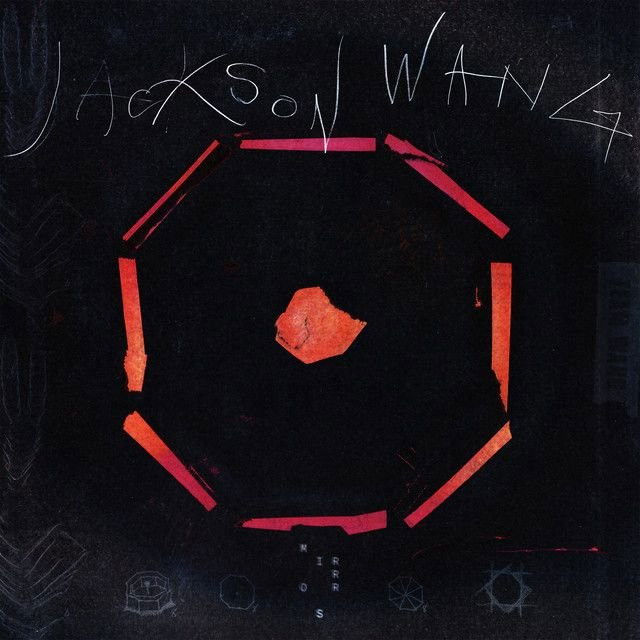
DWAY! by Jackson Wang
Why This Swagger Song Means More Than Flexing
The meaning of DWAY! Jackson Wang starts with confidence, but it does not stop there. On the surface, the song sounds like a victory lap: fast cars, jewelry, fame, women, and a life that now moves at top speed. Under that glossy surface, though, the track is really about self-trust.
"DWAY!" - Jackson Wang
Wow Bijan, you goin' brazy out here?
Top down see me rollin'
Loading lyrics...
Unable to load lyrics
We're unable to display the lyrics at this time. Please try again later.
Jackson Wang explained the song directly in a Billboard track breakdown. He said the title phrase means “right,” as in believing they are right about their choices. They also said they do not regret past decisions and see current success as the result of hard work. That matters because it turns the song from simple bragging into a statement of earned conviction.
So while the record celebrates status, it also argues for personal authorship. They are saying: this life did not happen by accident.

Watch the official DWAY!
music video
The Core Message Hiding Inside the Hook
The chorus is catchy, but its main job is to repeat the song’s worldview. When Jackson says Top down see me rollin'
, the image is not just about a cool car. It suggests movement, visibility, and control. They are out in the open, no longer struggling in private.
The next key phrase, Nothin' to somethin'
, gives the emotional center away. That line frames the whole song as a rise story. It is about building a public identity from scratch and enjoying proof that the climb was real.
There is also a playful use of the “rolling” idea. It connects driving, momentum, and rock-star mythology. By the time the hook compares the narrator to a rolling stone, the song has merged luxury-rap imagery with classic-rock fame.
Fame, Family, and the “Rolling Stone” Motif
One of the smartest details in the lyrics is how the song uses “stone” in several ways. There is the magazine reference, the idea of a drifter or survivor, and the image of literal jewels.
When the verse says Baba said he was a rolling stone
, it introduces family legacy. That line makes the flexing feel inherited as well as earned. They are not only celebrating themselves; they are placing themselves in a line of toughness and motion.
Then the song flips that old phrase into luxury with draped in stones
. In plain terms, the narrator turns hardship or wandering into wealth and image. Interpretation: this may suggest a transformation from uncertainty into self-made glamour.
That is why the song’s boastful style works. It is not random name-dropping. The references build a theme: movement becomes destiny, and destiny becomes status.
The Story the Verses Tell
Even without a detailed plot, “DWAY!” follows a clear emotional timeline:
- They show the new life: the top down, the public spotlight, the money.
- They link that life to effort and independence.
- They compare themselves to legends to show scale.
- They pull another person into the fantasy, making fame feel seductive.
The midpoint matters a lot. The line did it on my own
is the song’s clearest mission statement. It gives the rest of the luxuries a purpose. Cars and diamonds are symbols, but self-direction is the real prize.
There is also a romantic thread. The song briefly shifts from career success to attraction, suggesting that fame creates its own orbit. The flirtation is less about deep love than about the social power of being seen.
Mick Jagger, Mick Jagger, way I show out
Keith Richards, no way, never sold out
These lines capture the song’s ambition in miniature. Jackson is not just referencing famous musicians for style points. They are invoking artists associated with endurance, rebellion, and spectacle.
How the Sound Supports the Meaning
“DWAY!” appeared on Mirrors, Jackson Wang’s first solo album, released on October 25, 2019, with the song arriving before the album as part of that rollout, according to Billboard and Wikipedia. Mirrors later reached No. 32 on the US Billboard 200, a notable benchmark noted in Wikipedia.
That context helps explain the production. The beat is sleek, hard, and made for impact. The drums hit with confidence, while the melody leaves enough space for Jackson to switch between rap and sung phrasing. That mix was a hallmark of Mirrors, which blended romance, ambition, and self-reflection.
The producer tag at the top sets an immediate mood of modern swagger. From there, the instrumental stays polished rather than chaotic. That choice fits the message: this is not the sound of someone barely hanging on. It is the sound of someone steering.
Artist Context Makes the Song Clearer
Jackson Wang had already built a major career before Mirrors, both as a member of GOT7 and as a solo artist. They also founded Team Wang and were heavily involved in the creative process behind their solo work, including arrangements and visuals, as noted in Wikipedia.
Because of that, “DWAY!” feels believable. It matches a public image built on discipline, performance, and control. Their background as a former competitive athlete also makes the song’s drive feel consistent with the larger story of their career.
Interpretation: the song can be heard as a self-portrait at the moment ambition becomes visible. It is less a confession than a declaration.
The Best Way to Read “DWAY!”
The simplest reading is still the strongest one: the meaning of DWAY! Jackson Wang is radical self-belief after hard work pays off. The fame imagery matters, but mainly because it proves the point. Success is the evidence; conviction is the message.
A second reading is possible too. Interpretation: the song may also be poking at the performance of celebrity itself. The constant images of covers, jewels, and legendary names feel so oversized that they almost become theatrical. In that view, Jackson is both enjoying the role and showing how fame is built through symbols.
Either way, the track is energized by certainty. It is about moving fast, choosing boldly, and refusing regret.
Final Take on the Song’s Meaning
“DWAY!” is not Jackson Wang’s deepest song emotionally, but it is one of their clearest statements of identity. It turns luxury into evidence of labor and turns swagger into a philosophy: trust the path, own the results, keep rolling.
That is the lasting appeal of the track. It feels flashy, but its center is discipline.
Disclaimer: This article offers an informed interpretation based on the lyrics, artist comments, and release context. Song meaning can remain personal and open to more than one valid reading.








