
Why 'Mini-mini-mini' Feels Bigger Than a Joke
The meaning of Mini-mini-mini Jacques Dutronc starts with a joke, but it does not end there. On the surface, the song sounds playful, fast, and almost absurd. It piles up words built around “mini” until the trend becomes ridiculous.
"Mini-mini-mini" - Jacques Dutronc
Tout est mini dans notre vie
Mini-moke et mini-jupe
Loading lyrics...
Unable to load lyrics
We're unable to display the lyrics at this time. Please try again later.
Under that humor, though, they present a sharp little protest. The song suggests that modern life has become obsessed with shrinking everything into smaller, cuter, more marketable forms. In other words, this is not just a novelty song. It is a satire.
A Pop Satire About a Shrinking World
At the center of the song is a simple complaint: Tout est mini
. Even without quoting much, the idea is clear. The world of the song feels reduced by fashion, branding, and social habits.
The lyrics move through a chain of mini-objects and mini-ideas, from clothing to vehicles to institutions. That piling-up effect matters. Rather than telling one story, the song creates a whole atmosphere where smallness has become a cultural rule.
Interpretation: The complaint is not really about size alone. It is about a society becoming thin, compressed, and obsessed with appearances. When the lyric says ça manque d'air
, it turns that feeling into something physical. The song implies that this miniature world is stylish, but hard to breathe in.
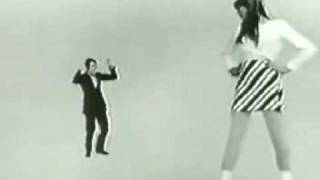
Watch the official Mini-mini-mini
music video
Why the Wordplay Hits So Hard
Jacques Dutronc and Jacques Lanzmann were known for mixing wit with social observation, especially during Dutronc’s 1960s rise in French pop. Sources on Dutronc’s career consistently note that irony was a key part of his image and songwriting partnerships, especially with Lanzmann and composer Jacques Dutronc’s collaborators in that period, including arranger Jacques Wolfsohn and coverage of Dutronc’s yé-yé-era catalog at Britannica.
That context helps explain why the song keeps hammering one sound. Repetition makes mini, mini, mini
feel like an ad slogan, a chant, and a warning all at once. It is catchy enough to work as pop, but excessive enough to mock the very trend it names.
The Joke Builds Into Criticism
The song keeps listing mini-things until the listener starts to feel the trap. What begins as a clever linguistic game turns into pressure. The culture being described is not merely cute; it is repetitive and flattening.
That is why the humor works. They do not preach. They exaggerate until the fad exposes itself.
The Turn From “Mini” to “Maxi”
Midway through, the song flips its whole system. Instead of staying inside the cramped world of “mini,” it suddenly announces a preference: Moi je préfère les maxis
. That shift is comic, but also revealing.
The move to “maxi” sounds like rebellion through overcorrection. If smallness means restriction, then bigness becomes freedom, breath, and release. The lyric even reinforces that with the idea that the maxi-world respire l'air
.
Interpretation: This is probably not a literal manifesto for large objects. It is a symbolic reversal. “Maxi” stands for expansiveness, appetite, and refusal. The song fights one absurdity with another, showing how far the speaker wants to get from the mini-mania around them.
Style, Fashion, and the 1960s Moment
For American readers, one important layer is the 1960s setting. “Mini” was not a random word in that era. It pointed to a whole mood of youth fashion and modern design, especially the miniskirt and the Mini car, both major symbols of swinging-’60s style. Histories from the Victoria and Albert Museum and the British Motor Museum show how iconic those symbols became.
That cultural backdrop makes the song sharper. It is not rejecting youth culture outright. Instead, it seems to tease the way trends become total environments. Once everything is branded as smaller, newer, and cooler, people risk becoming smaller too.
A Critique of Consumer Language
Another key idea is how language itself gets commercialized. The song keeps attaching “mini” to more and more words, as if marketing has invaded speech. That matters because it suggests the fad is not only visual. It has entered the way people think.
How the Music Carries the Meaning
The production helps sell the satire. Dutronc’s 1960s hits often used lean, punchy arrangements shaped by rock, beat music, and French pop cool, as noted in reference overviews of his discography and style at AllMusic. That sound fits this song perfectly.
A brisk tempo and clipped vocal delivery make the lyrics feel like slogans being fired off in quick bursts. The instrumental energy keeps everything bright and entertaining, which is important. If the song were slower or heavier, the joke might become blunt. Instead, the lightness lets the critique sneak in.
Interpretation: The music mirrors the culture being mocked—quick, stylish, disposable—while also exposing how exhausting that speed can feel.
The Lasting Meaning of Mini-mini-mini
So what is the meaning of Mini-mini-mini Jacques Dutronc? Most clearly, it is a witty protest against a world that mistakes novelty for freedom. The song laughs at mini-fashion, mini-language, and mini-living because they shrink life into trends.
Its final trick is that it remains fun even while criticizing fun. That balance is why the song lasts. They turn social commentary into something danceable, memorable, and still easy to understand decades later.
In that sense, “Mini-mini-mini” is about more than size. It is about cultural suffocation dressed up as style.
Final Take
Their sharpest point may be the simplest one: when everything becomes a fad, people can start to feel reduced along with it. Dutronc and Lanzmann make that warning sound playful, which is exactly why it lands.
Disclaimer: This article offers interpretation based on the lyrics, historical context, and Jacques Dutronc’s broader artistic style. Meaning in music can remain open to more than one reading.







