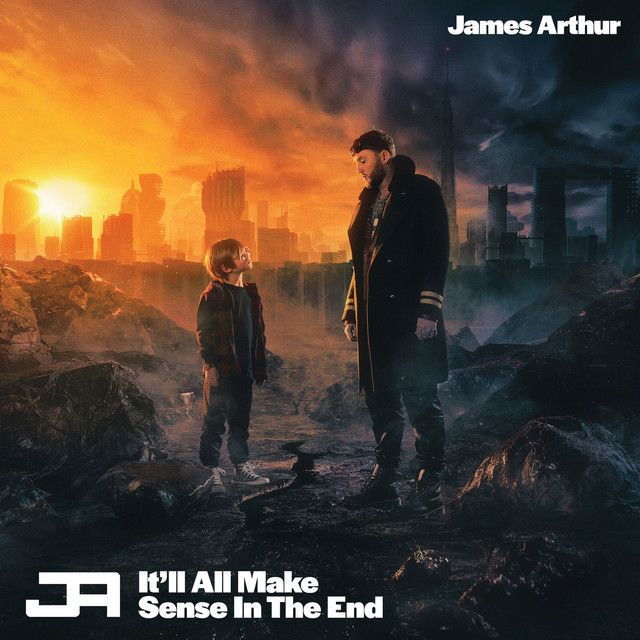
Avalanche by James Arthur
The meaning of Avalanche James Arthur comes into focus fast: this is a love song, but it is also a song about mental survival. On the surface, they sing about staying close to one person while everything falls apart. Underneath that, the track uses disaster imagery to show what anxiety, depression, and emotional overload can feel like.
"Avalanche" - James Arthur
I'm alive, this could be it for all we know
I'm a mess, don't know what I would do without you
Loading lyrics...
Unable to load lyrics
We're unable to display the lyrics at this time. Please try again later.
According to Songfacts, “Avalanche” appears on It’ll All Make Sense in the End (2021) and is widely understood as Arthur writing about mental health struggles, with a partner offering steadiness and protection. That context matters, because the lyrics do not describe a calm romance. They describe love inside crisis.
When Love Becomes a Shelter
The central idea is simple: the singer feels buried by pressure, but they are not facing it alone. Early lines set that up with images of beauty and danger living side by side. A phrase like bright white snow
sounds peaceful at first, yet it also hints at coldness, isolation, and a storm that can swallow someone whole.
That double meaning drives the song. The relationship is not shown as perfect or easy. Instead, it feels necessary. When the chorus says world collapsing down
, the song is not just talking about outside events. It suggests an internal collapse, the kind that starts in the mind and then colors everything else.
Interpretation: the partner is not portrayed as a magical fix. They are more like a handhold during impact. That is why the love here feels believable. It does not erase pain; it helps them endure it.

Watch the official Avalanche
music video
The Anxiety Metaphor Hidden in Plain Sight
One of the strongest parts of the song is how clearly it describes panic without using clinical language. The verses move from calm to alarm in seconds. The singer says they never notice the danger until it is already happening, which mirrors how anxiety can arrive suddenly.
The sharpest example is the contrast between butterflies
and bullets fly
. In everyday language, butterflies suggest nerves or excitement. Bullets suggest threat, fear, and survival mode. By jumping between those ideas, the song captures how quickly a small physical feeling can become full panic.
It also mentions loops, stomach pain, and the urge to keep managing the rush of adrenaline. Those details make the song feel lived-in. They are not abstract symbols. They point to a body under stress, stuck in a cycle it is tired of repeating.
Songfacts specifically connects the track to Arthur’s struggles with anxiety and depression, and that reading fits the lyric details very closely.
Why the Chorus Sounds So Protective
The chorus is the emotional heart of the song. The title image, avalanche with you
, sounds strange at first because an avalanche is destructive. Yet the song keeps pairing disaster with safety. That tension is the whole point.
They do not say the avalanche stops. They say love changes what it means to be inside it. The line about nobody being able to hurt them now is probably not literal. It sounds more like emotional armor: if someone finally feels seen and supported, the outside world loses some of its power.
There is also a strong loneliness theme. When the chorus turns toward the plea that they are not alone
, the song reveals its deepest fear. The avalanche is not only panic. It is isolation.
It’s been breaking me
Tired to the bone
You’re saving me
I’m not alone
That short section sums up the whole song: damage, exhaustion, rescue, connection.
Guilt, Mortality, and the Fear of Losing Everything
The later verses deepen the song beyond simple comfort. They imagine disappearance, gravestones, and the idea of being remembered after hope is almost gone. That language makes the relationship feel urgent, as if time is limited.
There is guilt here too. The singer looks back on wasted nights and tears caused inside the relationship. That matters because it stops the song from becoming one-sided. They are not only a victim of their own mind. They know their pain has affected someone else.
Interpretation: this self-awareness makes the love feel more serious. The singer is not just asking to be saved. They are recognizing the cost of being loved while struggling.
How the Sound Supports the Meaning
Even without unpacking every production detail, the song’s design matches its message. James Arthur often leans into bruised, emotional vocal performances, and here that style fits the lyric theme perfectly. The delivery sounds strained, earnest, and close-up, which helps the panic feel personal rather than theatrical.
Songfacts reports that the song was written by James Arthur, Andrew William Jackson, and Duck Blackwell, with Blackwell also tied to the production crediting on the track. It also notes the song appears on It’ll All Make Sense in the End, an album shaped in part by Arthur’s relationship with Jessica Grist and the emotional fallout around that period.
The arrangement supports the title image well: verses feel tense and contained, while the chorus opens up like pressure finally giving way. That rise creates the sensation of impact and release, which is exactly what an avalanche metaphor needs.
A Plausible Real-Life Lens
Songfacts suggests the supportive partner in the song may be Jessica Grist, who influenced much of the album’s material. That should be treated carefully, since listeners cannot reduce every lyric to biography. Still, the real-life context helps explain why the song feels so specific. It sounds written from experience, not from a generic heartbreak template.
The Final Meaning of “Avalanche”
So, what is the meaning of Avalanche James Arthur? At its core, it is about what happens when emotional collapse meets loyal love. The avalanche stands for panic, depression, dread, and accumulated pain. The relationship stands for safety, witness, and the stubborn belief that survival is still possible.
That is why the song lands. It does not pretend love makes suffering disappear. It argues that being loved can make suffering bearable.
Disclaimer: This interpretation is based on the released lyrics and publicly available song context. As with any song, listeners may hear meanings that differ from the artist’s exact intent.









