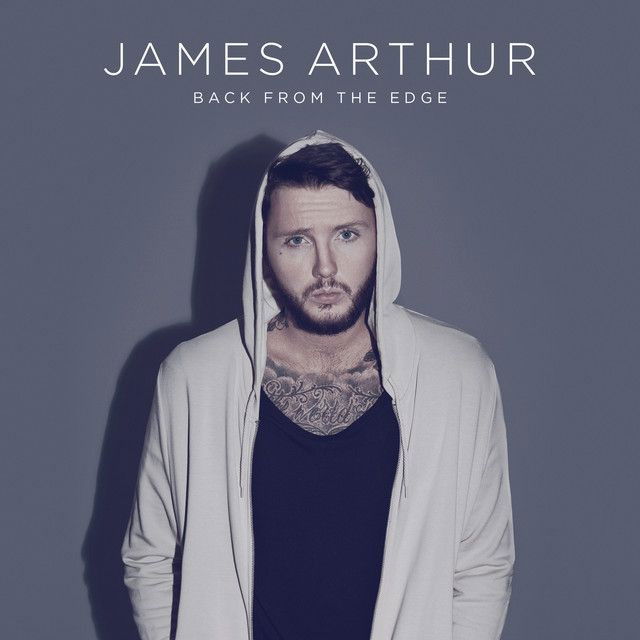
Back from the Edge by James Arthur
James Arthur’s title track works as both confession and comeback. The meaning of Back from the Edge James Arthur comes down to one core idea: they present survival not as a clean victory, but as a hard return from self-destruction, public judgment, and emotional collapse.
"Back from the Edge" - James Arthur
Back before demons took control of my head
Back to the start, back to my heart
Loading lyrics...
Unable to load lyrics
We're unable to display the lyrics at this time. Please try again later.
The song opened Arthur’s 2016 album Back from the Edge, and that choice was intentional. According to Songfacts, Arthur said the title became the one that “resonated the most,” and he felt it was the best way to open the record. That matters because this track sounds like a mission statement for the whole album, not just another personal ballad.
A comeback song, but not only about fame
On the surface, the chorus sounds like a classic return narrative. Phrases like back from the edge
and back from the dead
make the song feel dramatic right away. But the lyrics point to something deeper than career recovery.
Arthur told Digital Spy, as quoted by Songfacts, that the concept came from being in a “super dark place” and having suicidal thoughts. That context gives the song much more weight. It is not simply about getting another hit or proving critics wrong. It is about feeling close to the end, then finding a reason to keep going.
Interpretation: listeners can hear the song as both personal healing and public comeback. The key is that the personal side comes first.

Watch the official Back from the Edge
music video
The chorus turns pain into identity
The song’s repeated movement toward the past is important. When Arthur sings about going back to my heart
and returning to the boy who would reach for the stars
, they are not trying to erase adulthood. They are trying to recover an earlier self that still had hope.
That is why the chorus lands so hard. It does not say the damage never happened. It says they can still move through it and reconnect with something real underneath the chaos.
Back to the start, back to my heart
Back to the boy who would reach for the stars
This is the emotional center of the song. In plain terms, Arthur suggests that healing means getting closer to their original self, not creating a fake stronger version for the public.
The verses admit guilt without asking for pity
One of the strongest parts of the song is how direct the verses are. Arthur lists things that can be taken away, including home, clothes, and hidden drugs. That inventory makes the speaker sound stripped down and exposed.
Just as important, the lyrics do not blame everyone else. When they say I can dig my own hole
, the song admits self-sabotage. Later, they describe how other people built them up, but they tore themself down. That line connects fame and self-destruction in a sharp way: outside pressure matters, but inner damage can be even worse.
This balance gives the song credibility. It does not read like a revenge anthem against critics. It reads like someone facing their role in the mess.
Judgment, shame, and the public eye
The second verse widens the frame. Arthur mentions people disliking their lines and songs, except when they sing along at karaoke. That is a bitter image, and it captures a familiar pop-star contradiction: the artist is mocked, yet the music still lives in public culture.
Songfacts also notes that Arthur’s career was shaken after controversial remarks and that he was later re-signed after the success of “Say You Won’t Let Go.” That real-world backdrop helps explain why the song keeps returning to themes of judgment, grudges, and rebuilding. The lyrics are personal, but they clearly exist in the shadow of public fallout.
Interpretation: the song suggests that shame becomes most dangerous when public criticism blends with private self-hatred.
How the sound supports the message
Musically, “Back from the Edge” is built to feel like climbing out of darkness. The production is not flashy. Instead, it leans on a steady, anthemic rise, with drums and layered vocals giving the chorus a sense of lift.
Arthur’s vocal performance matters most. They sound rough-edged rather than polished, which suits the material. When the song moves from the lower, more confessional verse into the broad hook, the change feels emotional rather than just melodic. It is the sound of someone dragging a private pain into the open and surviving that exposure.
That structure mirrors the lyric arc:
- the verses confess damage
- the pre-chorus frames suffering as something endured
- the chorus claims survival out loud
In that sense, the song is almost therapeutic in design.
Why this song mattered in his career
As the title track of a 2016 album that reached No. 1 in the UK, the song had symbolic power beyond streaming numbers. Songfacts reports that Back from the Edge debuted at No. 1, making Arthur only the second former X Factor winner to top the UK chart with a second album.
That success does not define the song’s meaning, but it sharpens it. A track about crawling back from despair became the front door to an album that marked a major professional return. That overlap between life and art is why the song still feels central to Arthur’s story.
Final take on the song’s message
The meaning of Back from the Edge James Arthur is not just that they survived. It is that survival required honesty: admitting damage, naming self-destruction, and searching for the hopeful self that existed before everything went wrong.
That is why the song still connects. It treats recovery as messy, proud, ashamed, and hopeful all at once.
Disclaimer: This interpretation is based on the lyrics, publicly available artist comments, and the song’s release context. As with any song, listeners may hear meanings that differ from the ones discussed here.








