Why James Arthur’s ‘Suicide’ Hurts So Much
A hard title with a relationship story underneath
The meaning of Suicide James Arthur is not about literal self-harm. In the song, they frame the end of a relationship as an emotional death caused by repeated harm, blame, and exhaustion. The title is shocking on purpose, but the lyrics point to a toxic romance in which one person feels slowly destroyed by the other.
"Suicide" - James Arthur
Here we go
It ain't the gun
Loading lyrics...
Unable to load lyrics
We're unable to display the lyrics at this time. Please try again later.
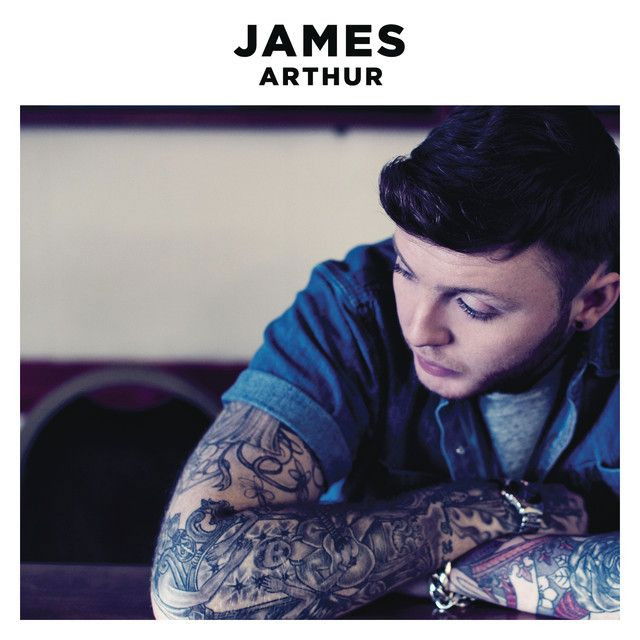
According to the James Arthur fan wiki, “Suicide” appears as track nine on their 2013 self-titled debut album, with production credited to Da Internz and Jimmy Douglass. That release context matters because early James Arthur songs often leaned into raw confession, soul-pop drama, and bruised romantic storytelling. Here, they use one of their bluntest metaphors to show what it feels like when love turns into damage.

Watch the official Suicide
music video
The central idea: love didn’t just fail, it was worn down
At its core, the song says this relationship did not simply fade away. It was pushed toward collapse by one partner’s actions. The verses keep separating tools from the person using them, which is a key clue to the song’s message.
When they sing about the gun, the knife, and the lie, the point is not the object itself. The point is responsibility. The song argues that harm comes from choices, not excuses. That is why phrases like the man behind the trigger
and truth is denied
matter so much. They turn the song into an accusation.
Interpretation: James Arthur seems less interested in sadness alone than in moral clarity. The narrator wants the breakup named honestly. They do not want people to say it was mutual, random, or unavoidable. They want the emotional damage recognized.
How the chorus turns metaphor into judgment
The chorus is the most dramatic part of the song, but it is also the clearest. When they repeat Call it suicide
and Don’t sugarcoat it
, they are demanding plain speech. In other words, they are saying: do not hide what really happened between us.
That hook works because it recasts the breakup as something more serious than heartbreak. Many pop songs describe being hurt in love, but this one insists that the relationship was actively destructive. The phrase Don’t fabricate
adds another layer. It suggests there may be outside observers, friends, or even the ex-partner trying to soften the story.
Call it suicide
Don’t fabricate
Just tell them, babe
It was suicide
Paraphrased, that moment says the end was self-inflicted by the relationship’s own patterns. The couple created the conditions that killed it, but the singer places more blame on the other person’s misuse of love, trust, and conflict.
Verse details that build the song’s emotional case
Weapons, lies, and blame
The first two verses rely on simple but sharp examples. A gun, a knife, and a lie are all neutral in one sense. The real issue is how they are used. That structure lets the narrator argue that hurtful behavior comes from character and intention.
This is why the song feels less like mourning and more like testimony. They are not only grieving. They are presenting evidence.
“Guilty” of loving too much
The pre-chorus shifts from accusation to self-examination. The narrator says their only fault is giving too much to someone who keeps taking. That makes the emotional imbalance clear.
Interpretation: This is a classic James Arthur tension. They often write narrators who know they are wounded but still wonder whether loving too hard was its own mistake. The word guilt matters because it shows shame mixed with devotion.
The bridge: where exhaustion finally takes over
The bridge gives the song its most human moment. Instead of general images, it becomes physical and immediate. The narrator says they have been killing me softly
and are all out of whisky
to numb the pain.
That shift is important. Earlier, the song sounds almost legal, as if assigning blame. In the bridge, the tough posture cracks. They admit they cannot absorb any more damage. The line about whiskey suggests failed coping, not healing. It tells the listener this pain has lasted for a while.
How the sound supports the meaning
“Suicide” sits in pop, but its emotional design borrows from R&B and soul drama. Based on the known credits, Da Internz and Jimmy Douglass helped shape a polished but heavy track, one that gives James Arthur room to move from a restrained verse into a forceful chorus. The likely effect is contrast: calm statements in the verses, then a burst of emotion in the hook.
That structure mirrors the story. In everyday life, toxic relationships are often explained quietly at first. Then, at some breaking point, the truth comes out with force. James Arthur’s raspy vocal style suits that arc. Even without dense instrumentation, their voice can carry accusation, fatigue, and heartbreak at the same time.
Alternate readings worth considering
One reading is straightforward: the song is about a destructive romance ending in emotional ruin.
A second reading is broader. Interpretation: it may also describe any bond where one person keeps draining another, including family or friendship. The lyrics never give many concrete details about the relationship, so the metaphor can travel.
There is also a small irony in the title. Calling the relationship’s death “suicide” suggests self-destruction, yet the verses keep pointing at another person’s actions. That tension may be deliberate. Toxic love often feels shared from the outside and one-sided from the inside.
Why the song still lands
The meaning of Suicide James Arthur stays powerful because it combines strong imagery with direct language. They do not hide behind poetic fog. They name manipulation, denial, over-giving, and burnout in terms a listener can feel right away.
For fans of James Arthur, the song stands out as an early example of their gift for turning private pain into a big pop confession. It is dramatic, yes, but the emotion feels grounded in recognizable relationship patterns: one person takes, the other gives, and eventually the whole thing collapses.
In the end, the song is less about death than about truth. It asks what happens when love becomes a place of harm, and who gets to tell the story afterward.
Disclaimer: This article offers an interpretation of the song based on its lyrics, credits, and release context. Song meanings can vary from listener to listener.







