Why 'Hold Back the River' Still Hits Hard
The meaning of Hold Back The River James Bay comes down to a simple but painful wish: they want time and distance to stop long enough for love to be repaired. The song is about separation, regret, and the hope of reconnecting before life carries two people too far apart.
"Hold Back The River" - James Bay
But life got in between
Tried to square not being there
Loading lyrics...
Unable to load lyrics
We're unable to display the lyrics at this time. Please try again later.
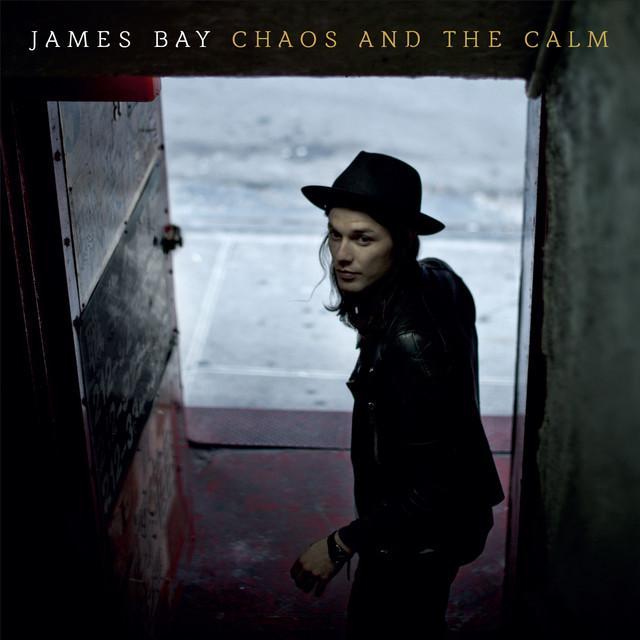
Released as a key early single from Bay's debut album Chaos and the Calm, the track helped introduce them as a songwriter who could pair raw emotion with big, radio-ready hooks. According to official album and single information from Bay's label and major music references, the song was written by James Bay and Iain Archer and became one of Bay's breakout hits.
The Heart of the Song Is a Plea Against Time
At its center, the narrator is not fighting a real river. They are fighting motion itself: time, change, missed chances, and emotional drift. When they sing hold back the river
, they are asking for a pause button on life.
That image matters because rivers do not stop. They move forward whether anyone is ready or not. So the chorus turns a private regret into something larger. The speaker knows they cannot truly undo what happened, but they still beg for one more moment to see, speak, and reconnect.

Watch the official Hold Back The River
music video
A Relationship Interrupted, Not Necessarily Ended
The opening lines show a person trying and failing to stay close. The problem is not a lack of feeling. It is that life got in between
. That phrase is small, but it carries a lot: distance, bad timing, personal growth, work, fear, or simply the way adulthood can pull people apart.
The next idea deepens the guilt. The narrator admits they tried to explain away their absence instead of fixing it. That confession gives the song its emotional honesty. They are not just sad; they know they played a role in the separation.
Who Are They Singing To?
Most listeners hear the song as addressed to a former or fading partner. That is the strongest reading because the lyrics focus on closeness, eye contact, and the wish to be near someone again.
Interpretation: It can also be heard more broadly as a song about lost youth, old friends, or even an earlier version of the self. The lyrics leave room for that because they never get overly specific.
Memory Turns the Past Into Something Mythic
One of the song's most striking moves is how it contrasts the past with the present. The line about a different life suggests a time when everything felt open and full of motion. The image rode our bikes into the sky
sounds impossible on purpose. It captures how memory works: old days often feel brighter, freer, and larger than reality.
Then the song flips that freedom into struggle. Instead of soaring, they are now moving with difficulty, almost dragged by the current. That shift is the emotional engine of the track. Earlier life felt effortless; now connection takes work.
Lonely waterwon't you let us wander?Let us hold each other
This brief section changes the tone. The river is no longer just a force to stop. It becomes a lonely, almost living barrier. That makes the separation feel less like one argument and more like a whole environment keeping people apart.
Why the Chorus Lands So Powerfully
The chorus is memorable because it turns a huge metaphor into a direct emotional ask. The speaker does not ask for forever. They ask for a minute. That detail makes the song more moving.
They are not demanding complete control over fate. They just want enough time to look someone in the eye and stand beside them again. In plain terms, the song argues that even a brief chance at real connection can matter more than all the excuses that came before.
How the Sound Carries the Meaning
Part of the meaning of Hold Back The River James Bay comes from its production, not just its words. The song begins with a restrained, intimate feeling and then grows into a larger anthem. That rise mirrors the lyric's emotional pressure.
Bay's voice sounds rough-edged and urgent rather than polished in a distant way. That matters. A smoother vocal might have made the song feel too neat, while their delivery keeps the regret believable.
The beat and hand-clap style pulse give the track forward motion, which fits the river image. At the same time, the swelling chorus pushes against that motion, as if the music itself is trying to resist being swept away. This is one reason the song works both as a personal confession and a crowd-sized singalong.
Artist Context Helps Explain the Song's Reach
Bay emerged during a period when folk, rock, and soul textures were mixing freely in mainstream pop. Chaos and the Calm leaned into that crossover sound, helping songs like this connect with both singer-songwriter fans and pop audiences.
The track's success also makes sense because its message is widely relatable. Many listeners know what it feels like to realize too late that someone mattered deeply. The song never gets buried in details, so people can place their own story inside it.
The Strongest Interpretation
Interpretation: The best reading is that the song is about regret after emotional distance has already set in. The narrator is looking back, recognizing missed chances, and asking for a moment of repair that may no longer be possible.
A second reading is about the loss of innocence. The lyrics compare a bright, almost magical past with a harder present. Under that view, the river is adulthood itself, carrying people away from the freedom they once shared.
Why It Endures
The song lasts because it balances scale and intimacy. Its images are large, but its feeling is specific. Anyone who has wanted one more conversation, one more honest look, or one more chance to close a growing distance can hear themselves in it.
In the end, they are not really asking nature to stop. They are asking whether love can survive the force of time. That question gives the song its lasting ache.
Disclaimer: This article offers a good-faith interpretation based on the released song, publicly available credits, and common critical reading. Song meaning can remain open, and listeners may hear it differently.