Why 'Retrograde' Feels Like the End of Night
The meaning of Retrograde James Blake comes through less like a tidy story and more like an emotional warning signal. The song captures a moment when love, identity, and trust all feel unstable at once.
"Retrograde" - James Blake
In a world you've grown
Few more years to go
Loading lyrics...
Unable to load lyrics
We're unable to display the lyrics at this time. Please try again later.
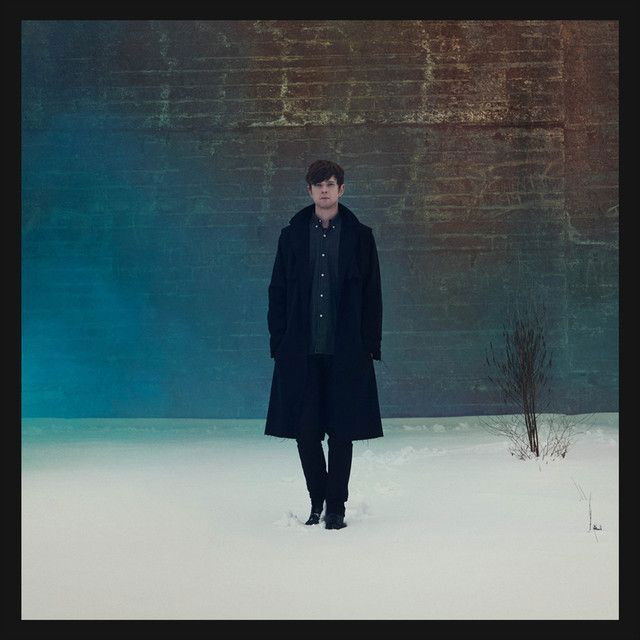
Released as the lead single from Overgrown in 2013, "Retrograde" helped define James Blake’s second album and later won Best Contemporary Song at the Ivor Novello Awards, according to Songfacts. It also premiered on Zane Lowe’s BBC Radio 1 show before the album arrived, which framed it as an important step in Blake’s evolution as a writer and producer.
A Love Song Standing on Shaky Ground
At the heart of the song, the speaker seems to be talking to someone they love during a breakdown in connection. They are not just offering comfort. They are asking the other person to stay steady and remember who they are.
That is why the opening hits so hard. The phrase you're on your own
does not sound cruel so much as brutally honest. It suggests adulthood, pressure, and the lonely fact that no one else can fully carry this burden for them.
Right after that, the song offers a softer push with be the girl you loved
. Paraphrased, the speaker seems to be asking this person to return to an earlier, stronger self. That line gives the song one of its clearest themes: identity under stress.

Watch the official Retrograde
music video
The Chorus Turns Comfort Into a Test
The repeated promise I'll wait
sounds reassuring at first. But in context, it is more complicated than that.
The speaker says they will stay, yet they also ask the other person to prove something. When they urge them to show me why you're strong
, the song moves from simple devotion into a tense emotional negotiation. They are present, but they are also watching.
This is a key part of the meaning of Retrograde James Blake. The song is about support, but it is also about limits. Love can wait. Love cannot fully rescue.
The line about ignoring everyone else deepens that feeling. It implies a private world where two people shut out outside voices. That can sound romantic, but it can also sound isolating. Interpretation: Blake leaves enough space for both readings, which is one reason the song still feels haunting.
Dawn, Absence, and Emotional Fallout
The most vivid image arrives with the starkness of the dawn
. Dawn usually suggests clarity or renewal, but here it feels cold and exposing.
Instead of relief, morning brings a hard truth: illusions are gone, and so are the people who once offered support. When the lyric says your friends are gone
, the song paints a scene of emotional abandonment. Whether those friends were fair-weather companions, distractions, or symbols of a fading social world, their absence matters.
Here is the emotional turn in the song:
- A person is told they are fundamentally alone.
- They are urged to recover a truer self.
- The speaker promises patience.
- Morning reveals what support has vanished.
- The relationship is reduced to two people facing the truth together.
That sequence gives the track its dramatic weight. It feels like a phone call, a confrontation, or the moment after one.
The Backstory Helps Explain the Tension
Some factual context supports that reading. Songfacts reports the song was inspired by Blake’s relationship with Theresa Wayman of Warpaint, and cites reporting that he wrote it in anger around 7 a.m. after a bad telephone call. That detail matches the song’s dawn imagery and its mix of tenderness and frustration.
This does not prove one exact meaning. But it does suggest the emotional climate: intimacy under pressure, written in the aftermath of conflict.
Why the Production Feels So Unsettling
Blake’s production is crucial to the song’s meaning. The track lives in a sparse electronic space, with sub-bass, clipped rhythm, and layered vocal textures that feel both intimate and ghostly.
Instead of sounding big in a normal pop way, "Retrograde" feels hollowed out. That emptiness mirrors the lyric’s emotional setting. The voice often seems to hang in open air, as if the singer is calling across distance rather than standing beside someone.
Sound as emotional architecture
A few production choices shape the message:
- The low end creates dread and gravity.
- The falsetto sounds fragile but controlled.
- The vocal layering makes one person sound like a crowd, then a ghost.
- The restrained beat keeps tension from fully breaking.
All of that supports the song’s central idea: closeness and isolation can exist at the same time.
Two Strong Ways to Read "Retrograde"
Interpretation 1: It is a relationship song about asking a partner to stay grounded during personal collapse. In this reading, the speaker is loyal, but they need honesty and strength in return.
Interpretation 2: It is about regression itself. The title suggests moving backward, and the lyrics show someone losing social support, confidence, and direction. The speaker is witnessing that slide and trying to stop it.
Both readings fit because Blake writes in a stripped, suggestive style. He gives listeners the feeling first and the explanation second.
Why "Retrograde" Still Resonates
Part of the song’s power is how little it overexplains. It names loneliness, pressure, and fading support in simple language, then lets the production carry the panic underneath.
For many listeners, the meaning of Retrograde James Blake is about the frightening moment when love is no longer just comfort. It becomes a test of identity, endurance, and what remains when everyone else falls away.
That is what makes the song so memorable: it feels like the exact second night turns into morning, and the truth looks harsher in daylight.
Interpretation disclaimer: This article offers a close reading based on the lyrics, publicly available reporting, and the song’s production context. As with most James Blake songs, some ambiguity is intentional and listeners may hear it differently.