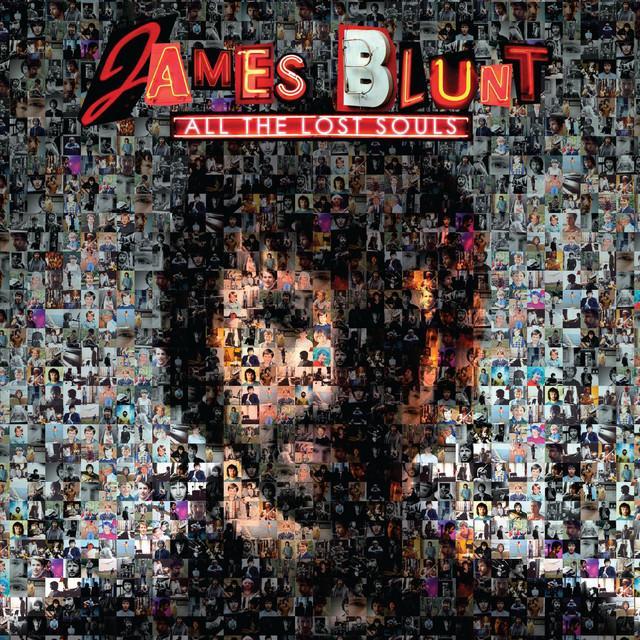
Carry You Home by James Blunt
Why This Song Still Hurts
The meaning of Carry You Home James Blunt starts with loss, care, and the painful moment when love can no longer save someone. Released as the third single from All the Lost Souls in 2008, the song was co-written by James Blunt and Max Martin, and produced by Tom Rothrock and Blunt. It reached No. 20 in the UK, showing that its quiet sadness connected with a wide audience.
"Carry You Home" - James Blunt
Makes her body older than it really is
And she says it's high time she went away
Loading lyrics...
Unable to load lyrics
We're unable to display the lyrics at this time. Please try again later.
At its core, the song describes someone staying beside a suffering woman through what sounds like her final moments. The title promise, carry you home
, is not just physical. It suggests protection, devotion, and a last act of love when words are no longer enough.

Watch the official Carry You Home
music video
A Story of Watching Someone Slip Away
The opening verse introduces a woman whose life has been shaped by pain. When the song says Trouble is her only friend
, it frames hardship as something constant and cruel. The lyric does not present a single bad day. It suggests a long struggle that has worn her down before her time.
That idea deepens when Blunt implies that her body seems older than it should. In plain terms, suffering has taken a visible toll. Then comes the sense that she wants escape, not in a casual way, but because staying has become too heavy.
The Chorus Turns Grief Into Care
The chorus is where the emotional center lands. The narrator watches her breathing for the last time
, which strongly points to death or a death-like goodbye. Yet the refrain does not turn angry or dramatic. Instead, it becomes gentle.
As strong as you were
Tender you go
Those two lines are brief, but they matter. They honor both her strength and her fragility. The song sees her as brave, yet also human. That balance keeps the song from feeling sentimental in a cheap way.
What “Home” Means in the Song
One of the strongest parts of the meaning of Carry You Home James Blunt is the word “home.” Interpretation: home may mean several things at once:
- a literal return to a safe place
- emotional rest after suffering
- spiritual peace after death
- the speaker's promise to remain loyal
Because the lyric leaves room for all four, the song feels personal to many listeners. People who have lost a partner, family member, or friend can hear their own story in it.
The line about wings, paraphrased, suggests that if she were able, she would escape this pain. When Blunt later told The Observer Magazine that listeners would respond to that lyric, he was pointing to its simple emotional force. Songfacts also quotes him calling it “the most personal song” on the record and saying it was about “an old relationship and someone in real difficulty.” That comment matters because it grounds the song in real emotional experience, not just invented drama.
Faith, Nation, and Sudden Tragedy
The bridge shifts outward. It moves from an intimate bedside scene to a wider image of public grief. The mention of New York and stars and stripes
gives the song an American setting, or at least American symbolism. That can make the loss feel communal rather than private.
Interpretation: this section may hint at a young woman dying in a national tragedy, or it may simply use public imagery to show that every personal loss happens inside a bigger world that keeps moving. Either way, the song suddenly widens its lens. A private goodbye becomes part of a shared human story.
This wider meaning is echoed by the music video, which tells a different but related story: a man returns a dead soldier's belongings to his wife. According to available release information, the video was filmed in black and white and partly shot near military locations connected to Blunt's own army background. That visual choice does not change the song's lyrics, but it does guide reception. It pushes viewers toward themes of mourning, service, and carrying memory after death.
How the Sound Supports the Lyrics
The production is restrained, which is a big reason the song works. Rather than overwhelm the listener, it creates space. Soft piano, light guitar, and a slow tempo make the performance feel intimate, almost like a vigil.
Blunt's vocal style is especially important here. He does not sound detached. He sounds close to breaking, but controlled. That tension mirrors the song's message: the speaker is devastated, yet still trying to be steady for the person they love.
The arrangement also rises carefully instead of exploding. That gradual lift gives the chorus emotional weight without making it feel melodramatic. In other words, the music carries the grief the same way the narrator carries the person: carefully.
A Personal Ballad With Room for Many Readings
There are at least two strong ways to hear the song.
Reading One: A Deathbed Goodbye
This is the clearest reading. The repeated image of final breathing, the soft farewell, and the promise to carry her home all support a literal death scene.
Reading Two: The End of a Relationship
Because Blunt said it came from an old relationship and someone in serious trouble, some listeners hear it as the end of love rather than the end of life. In that reading, “home” means emotional shelter after collapse.
Both readings can coexist. The song is powerful because it speaks in concrete images but leaves the final frame open.
The Lasting Meaning of Carry You Home James Blunt
In the end, the meaning of Carry You Home James Blunt is about love expressed as responsibility. The speaker cannot stop pain, but they can stay present. They can witness, honor, and carry.
That is why the song still lands. It treats grief not as spectacle, but as service. It says that when someone is fading, love may look less like rescue and more like staying until the end.
Disclaimer: This interpretation combines lyrical analysis with documented artist comments and public release context. As with any song, individual listeners may hear different meanings in it.








