Same Mistake by James Blunt
A song about regret that does not ask for innocence
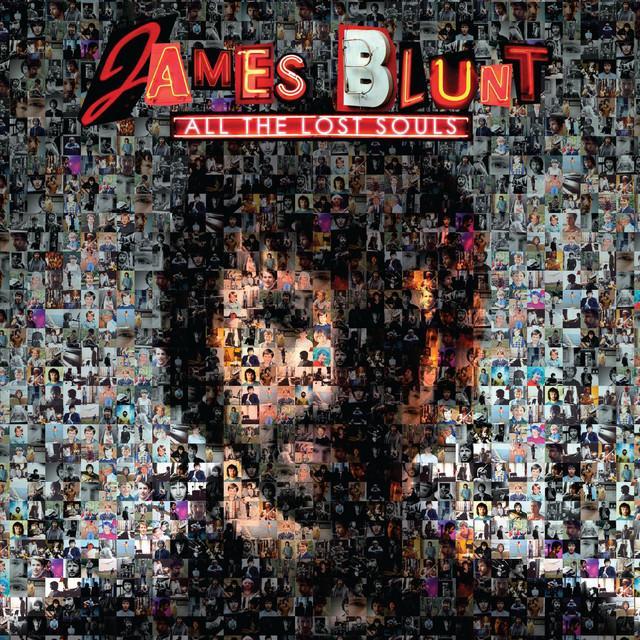
The meaning of Same Mistake James Blunt centers on remorse, self-knowledge, and the painful idea that a person may understand their flaws but still repeat them. James Blunt released the song as the second single from All the Lost Souls in 2007, and it was written by Blunt and produced by Blunt with Tom Rothrock. It is generally classified as soft rock or folk rock, and that gentle style matters because the song sounds reflective rather than dramatic or angry.
"Same Mistake" - James Blunt
And once again, I cannot sleep
Walk out the door and up the street
Loading lyrics...
Unable to load lyrics
We're unable to display the lyrics at this time. Please try again later.
Factually, Blunt described it as a song about self-reflection, remorse, guilt, and being their “own worst enemy,” as reported by Songfacts. That comment is the best starting point for understanding the track. This is not a breakup song in a simple, blame-the-other-person way. It is a song about looking inward and not liking what they see.

Watch the official Same Mistake
music video
The narrator is fighting themself
From the opening, the song places the narrator in a sleepless, uneasy state. They cannot rest, so they leave the room and walk outside. That movement suggests a restless mind trying to outrun itself. When the lyric mentions my heart is heavy
, the song is not only describing sadness. It is showing emotional burden.
A key line in the first half says the enemy looked just like me
. Paraphrased, the narrator realizes the real threat may be their own habits, guilt, or self-destructive impulses. That image is the core of the song. The problem is not only out in the world. The problem is inside.
Why the self-conflict feels so sharp
The song keeps returning to confusion. The narrator seems aware of past wrongs, but awareness alone does not free them. In plain terms, they know what they do wrong and still fear doing it again. That is what makes the lyric emotionally honest.
Give me reason, but don't give me choice
I'll just make the same mistake again
This is the song's clearest statement of defeat. They are not asking for a clean slate. They are saying that freedom itself can be dangerous when someone does not trust their own judgment.
How the verses build the song's meaning
The story unfolds in small emotional scenes rather than a detailed plot. Those scenes connect to the larger themes of guilt and repetition.
- Insomnia and wandering: The opening shows a person trapped in thought. They cannot sleep, so they drift outside, searching for relief.
- Memory and blame: The narrator remembers past wrongs and carries them into the present.
- Self-recognition: The image of the enemy resembling them suggests a split self, where inner conflict becomes almost physical.
- Fear of repeating the cycle: The chorus admits they would likely do it all over again.
This structure helps explain the meaning of Same Mistake James Blunt. The song is less about one event than about a pattern. It captures the moment when a person realizes regret has not yet changed them.
The chorus turns guilt into the main theme
The chorus is powerful because it rejects easy redemption. Many songs about regret ask for forgiveness or a second chance. Here, the narrator says not calling for a second chance
. That matters. They do not believe another chance would fix anything.
Interpretation: This can be read as emotional honesty rather than hopelessness. The narrator may be admitting that before change can happen, they first have to stop pretending they are ready. In that reading, the song is brutally self-aware. It is painful, but it is also truthful.
Another important phrase is same mistake again
. Repetition is the real villain in the song. The fear is not just that they messed up once. It is that the mistake is part of their character, or at least feels that way in the moment.
Sound and production: why the music feels intimate
The production supports the lyric's inward focus. According to release information collected by Wikipedia, the track runs just under five minutes on the album version and was later edited for radio. That longer album length gives the song space to breathe.
The piano-led arrangement and soft-rock production create a private mood. The tempo is measured, and the vocal delivery sounds tired, fragile, and controlled. Instead of a huge cathartic explosion, Blunt sings as if they are confessing thoughts they can barely manage to say aloud.
Interpretation: That restraint is why the song lands. If the track were louder or more aggressive, it might sound like accusation. Instead, it sounds like a late-night admission made to no one and everyone at once.
Artist context and public reception
Same Mistake appeared on All the Lost Souls, Blunt's second studio album, following the massive success of Back to Bedlam. Songfacts notes that Blunt said he wrote the song on tour. That touring context fits the song's unsettled feeling: travel, loneliness, and distance often sharpen self-reflection.
The song also reached a broad audience beyond the album. It was used in connection with the 2007 film P.S. I Love You, and Blunt performed it at Live Earth in 2007, according to Songfacts. Those placements helped frame the song as one of his major reflective ballads.
The music video adds another layer. As described by Wikipedia, director Jonas Åkerlund used a body-mounted camera style that keeps Blunt's face centered while the world moves around him. That visual idea mirrors the song perfectly: the outside world keeps changing, but the inner conflict stays fixed.
Final reading: remorse without self-pity
At its best, Same Mistake is about the exhausting gap between insight and change. The narrator can see the damage, can name the guilt, and can even identify the enemy within. But they still do not trust themself to choose better.
That is why the song remains relatable. Many listeners know what it feels like to understand a bad pattern before they know how to break it. In simple terms, the meaning of Same Mistake James Blunt is that regret is not always a lesson learned. Sometimes it is just the first, painful step toward one.
Disclaimer: This interpretation combines confirmed artist comments with lyrical analysis. Like most songs, it can support more than one valid reading.








