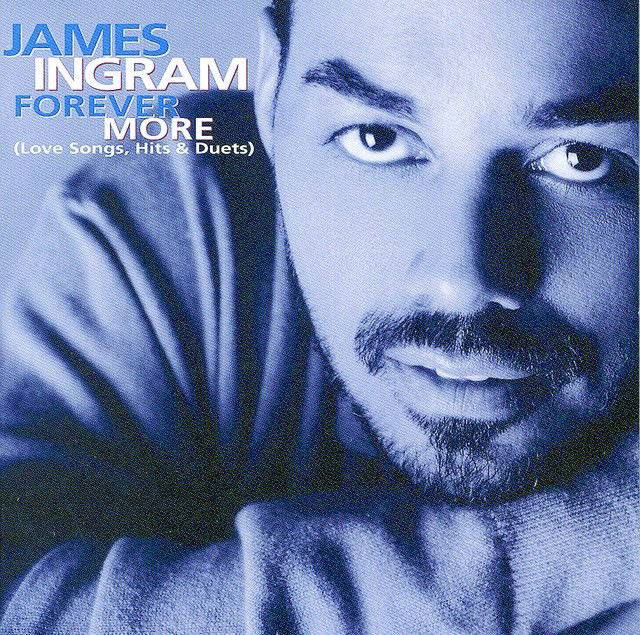
Why James Ingram's Kindest Breakup Still Hurts
The meaning of I Don't Have the Heart James Ingram comes down to one painful idea: sometimes honesty is the most compassionate choice, even when it still causes pain. The song is not about betrayal, anger, or drama. Instead, it focuses on a speaker who cares deeply about someone but cannot return their love in the same way.
"I Don't Have the Heart" - James Ingram
You say it's 'cause you're dreaming
Of how good it's going to be
Loading lyrics...
Unable to load lyrics
We're unable to display the lyrics at this time. Please try again later.
Released as a single from It's Real, the track became James Ingram’s only solo No. 1 on the Billboard Hot 100 in 1990, a fact noted by Billboard chart records and summarized by Wikipedia. That chart success matters because it shows how strongly listeners connected with this very adult, emotionally careful kind of heartbreak.
A Breakup Song With No Villain
At its core, the song tells a simple story. One person is hopeful and emotionally open. The other sees that hope, appreciates it, and feels terrible because they cannot fully meet it.
Early lines describe a partner whose future looks bright, with a face that is almost glowing. That image matters because it raises the stakes. The speaker is not rejecting cynicism or conflict; they are rejecting sincerity. That is why the chorus lands so hard.
When Ingram sings I don't have the heart
, the phrase works in two directions. He does not want to wound this person, but he also does not possess the emotional truth needed to love them back. Songwriter Jud Friedman later said the song’s power came from flipping a familiar phrase into two meanings, calling it a kind of everyday poetry in Songwriting Magazine.
Watch the official I Don't Have the Heart
music video
The Chorus Turns Kindness Into Tragedy
The chorus is the emotional center of the song because it frames rejection as a moral problem, not just a romantic one. The speaker is trying to do the right thing, but there is no painless version of the truth.
Before using the lyric, it helps to paraphrase the idea: they are saying that sparing someone’s feelings is impossible now, but pretending would be cruel later.
It's the last thing I want to do
Not the way you want me to
Those short lines explain why the song still feels mature. The speaker is not confused. They are clear. What hurts is that clarity arrives too late for the other person’s hopes.
Why the Repetition Matters
The repeated title line is not filler. It sounds like someone trying to convince both the other person and themselves that this painful honesty is necessary. Each return to the phrase adds guilt, tenderness, and finality.
What the Verses Reveal About the Speaker
The verses show that this is not a cold dismissal. The narrator notices the other person’s trust, openness, and optimism. Phrases like you're so trusting and open
and inside I'm dying
suggest deep emotional discomfort.
Interpretation: the speaker may have stayed too long out of kindness, hoping feelings would grow. If so, the song becomes not just a breakup, but a confession of delay. They are admitting that care is present, but romantic certainty is not.
That distinction is the whole song. It separates affection from love, and pity from partnership. Many breakup songs blur those feelings. This one studies the gap between them.
Sound That Softens the Blow
The production helps carry that message. According to Wikipedia’s credits, the song was produced by Thom Bell and James Ingram, with keyboards and synth programming by Jud Friedman, guitar by Paul Jackson Jr., drums by Ricky Lawson, and background vocals by the Aquarian Singers.
That lineup explains the polished feel. The arrangement leans on soft keyboards, strings, and a slow ballad structure. Rather than pushing toward confrontation, the music cushions the message. It sounds careful, almost protective.
This is important to the meaning of I Don't Have the Heart James Ingram because the sound mirrors the lyric. The song does not slam a door. It lowers its voice. Ingram’s vocal performance does the same. He sings with control and warmth, which keeps the speaker from sounding evasive or cruel.
James Ingram’s Voice Sells the Conflict
James Ingram was known for smooth, expressive singing and for moving between pop, R&B, and adult contemporary styles. His career included major collaborations, but this song stood out because it became his only solo Hot 100 chart-topper, as documented by Billboard.
That context matters because Ingram’s voice is the song’s emotional proof. A lesser singer might make these lines sound self-protective. Ingram makes them sound burdened. He seems to understand that telling the truth can still leave them feeling like the bad guy.
Why the Song Resonated in 1990
The song was written by Allan Rich and Jud Friedman, and research collected by Wikipedia notes it was the first song they wrote together. That origin fits the lyric’s directness. The writing feels conversational, with no flashy metaphors getting in the way.
In 1990, that approach stood out. The song was a ballad in an era when pop and R&B were shifting quickly, yet listeners still made room for its calm honesty. It reached No. 1 on October 20, 1990, and also earned Ingram a Grammy nomination for Best Male Pop Vocal Performance, according to Wikipedia.
The Lasting Meaning
So what is the final takeaway? The song is about emotional responsibility. It shows that kindness without truth becomes false hope, and truth without kindness becomes cruelty. The speaker is trapped between those two failures.
Interpretation: that is why the song endures. It captures a breakup that many people recognize but few songs describe so plainly: caring for someone is not always enough to stay.
In the end, I Don't Have the Heart remains powerful because it treats heartbreak as a shared sorrow, not a contest. One person loves more. The other person knows it. And both lose.
Disclaimer: This interpretation is based on the lyrics, recording context, and documented song history. As with any song, listeners may hear different meanings in its words and performance.
Sources
- https://www.billboard.com/artist/James-Ingram/chart-history/HSI
- https://en.wikipedia.org/wiki/I_Don%27t_Have_the_Heart
- https://www.songwritingmagazine.co.uk/how-i-wrote/james-ingram-i-dont-have-the-heart
- https://stereogum.com/2163429/the-number-ones-james-ingrams-i-dont-have-the-heart/columns/the-number-ones








