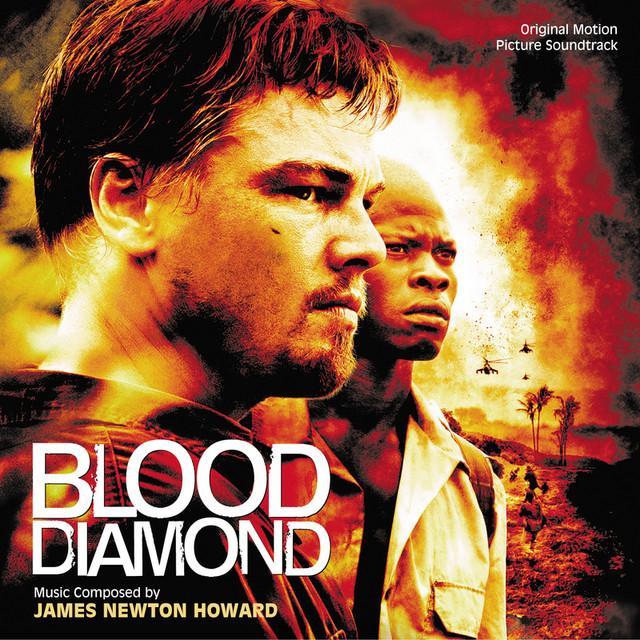
Solomon Vandy by James Newton Howard
The meaning of Solomon Vandy James Newton Howard starts with a useful distinction: this is not a pop single with a clear verse-chorus plot. It is a soundtrack cue tied to a film character and shaped by mood, setting, and spiritual feeling. On the Blood Diamond score, “Solomon Vandy” is track 21, composed and produced by James Newton Howard for the 2006 film Blood Diamond. The soundtrack was released on December 19, 2006 by Varèse Sarabande, and the score later won Soundtrack of the Year at the 2008 Classic Brit Awards source.
"Solomon Vandy" - James Newton Howard
Loading lyrics...
Unable to load lyrics
We're unable to display the lyrics at this time. Please try again later.
A Sacred Core Inside a Violent Story
The provided lyrics point toward Christian celebration, especially the birth of Jesus. Phrases such as yesu azalidwa
and bayimba
suggest a scene of joyful worship: Jesus is born, people sing, drums sound, and the community gathers in praise.
That matters because Blood Diamond is a war drama set during the Sierra Leone Civil War, following Solomon Vandy, a fisherman separated from his family and forced into brutal circumstances source. Against that backdrop, a sacred text about birth and rejoicing feels intentional. It introduces innocence and hope into a story marked by fear, greed, and violence.
Interpretation: the cue may not be narrating Solomon’s actions directly. Instead, it seems to represent what he is fighting to protect: family, faith, dignity, and a world where children belong in celebration, not war.

Watch the official Solomon Vandy
music video
What the Lyrics Suggest
Even without a full official translation, several ideas are clear from repeated devotional cues. The song seems to describe a community responding to holy news. Brief phrases like Abengalo mwekubile
and aba endere mwe kubile
evoke clapping hands and beating drums.
That means the song’s emotional center is collective joy. It is not private sadness or solitary prayer. It sounds public, shared, and embodied.
yesu azalidwa
Abengalo mwekubile
bayimba
In plain terms, the idea is simple: a birth changes the emotional weather of the whole community. People do not just observe; they respond. They sing, move, and celebrate together.
Why the Title Points Back to Solomon
The title “Solomon Vandy” ties the cue to Djimon Hounsou’s character, one of the film’s moral centers. In the movie, Solomon is defined less by speeches than by persistence, family devotion, and moral clarity. He wants to survive, reunite with his wife and children, and rescue his son from the machinery of war source.
So why pair him with devotional lyrics? Because soundtrack titles often name the emotional subject, not the literal lyric content. This cue likely works as Solomon’s spiritual portrait. The religious language frames him not as a symbol of conflict, but as a human being anchored in love, memory, and belief.
Interpretation: the song may suggest that Solomon carries an inner world untouched by the diamond trade’s corruption. The film shows what war tries to steal; this music hints at what still survives.
How the Sound Carries the Meaning
James Newton Howard’s film music is often strong at blending orchestral feeling with local texture and human-scale emotion. On Blood Diamond, the score balances tension cues with warmer, more reflective passages. Since “Solomon Vandy” runs only 2:11, it likely works with economy: melody first, atmosphere second, then quick emotional resolution.
If the track uses voice prominently, that choice would be crucial. A human voice can make a character feel rooted in culture and memory in a way pure orchestra cannot. Percussive ideas implied by the text—clapping and drums—also matter. They turn praise into movement.
This makes the cue feel grounded rather than abstract. Instead of scoring Solomon only as a tragic victim, the music may frame him through community life. That is a big difference. It gives him a past, a value system, and a sense of belonging.
Themes Hidden in Plain Sight
Several motifs stand out in the meaning of Solomon Vandy James Newton Howard:
- Birth and renewal: the reference to Jesus’ birth points to hope entering a damaged world.
- Community: singing, clapping, and drumming suggest shared strength.
- Innocence: mention of women and children hints at ordinary life worth protecting.
- Faith under pressure: sacred joy exists even near violence.
In the context of Blood Diamond, these motifs become sharper. The film is about how greed turns people into tools, but Solomon resists that logic. The music attached to him appears to answer violence with human warmth.
A Wider Reading for American Listeners
For U.S. listeners who come to the track outside the film, the song may first sound like a brief spiritual interlude. But inside the movie’s world, it does more. It reminds them that Africa in the film is not only a site of conflict. It is also a place of family bonds, worship, celebration, and cultural continuity.
That is one reason the cue lands with such weight. It refuses to let Solomon be reduced to suffering alone. The music gives him reverence.
Final Take on Its Meaning
The best way to understand “Solomon Vandy” is as a character theme built from sacred joy. The lyrics point to the birth of Jesus, communal celebration, and the presence of children and song. In a film about war and exploitation, that creates a powerful contrast.
Interpretation: the cue means hope that refuses to die. It reflects Solomon not through plot details, but through the values he represents: family, faith, innocence, and endurance.
Disclaimer: Song meaning is interpretive. Because this piece is part of a film score and the available lyric context is limited, some conclusions are informed readings rather than confirmed statements from the composer.








