What "Slave" by James Reyne Is Really Saying
James Reyne’s “Slave” sounds urgent from the start, but its message is more tender than the title first suggests. For many listeners, the meaning of Slave James Reyne comes down to emotional dependence: the song describes a person who feels trapped by pain, exhaustion, or need, and who is looking for someone or something strong enough to pull them through.
"Slave" - James Reyne
There's a heart all alone
And the door is always open
Loading lyrics...
Unable to load lyrics
We're unable to display the lyrics at this time. Please try again later.
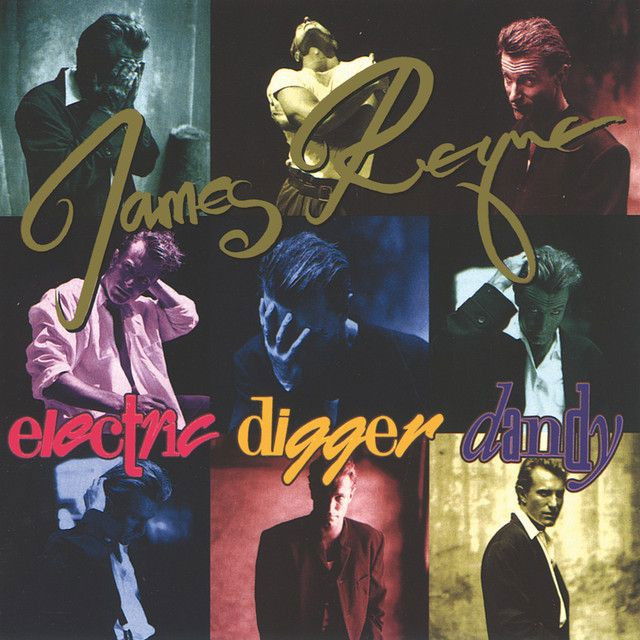
Factually, “Slave” was the lead single from Reyne’s third studio album Electric Digger Dandy, released on 29 April 1991, and it reached No. 10 in Australia. It is commonly credited to James Reyne and Jim Vallance, with production by Simon Hussey and Reyne. Those release details are widely listed in standard reference sources, including Wikipedia’s song entry: Slave (James Reyne song).
The Core Idea Behind the Song
At its heart, the song paints a picture of someone at a low point. The opening images suggest isolation and secrecy, but not total hopelessness. There is still a sign of comfort in lines like light in the valley
and door is always open
. In plain terms, the song says help exists, even when a person has shut themselves away.
That tension matters. The verses move between hiding and reaching out. The person in the song pulls the shades down and speaks in whispers, which suggests shame, fear, or emotional withdrawal. Yet the lyric also keeps pointing to access, movement, and rescue. This is why the song feels less like surrender and more like a plea.
Interpretation: The title “Slave” likely does not describe literal bondage. Instead, it seems to frame a person as a slave to despair, desire, loneliness, or the need for reassurance. Reyne uses a hard word to dramatize how overpowering those feelings can become.

Watch the official Slave
music video
Who the Song Seems to Address
The lyric is directed toward a “you,” which makes the song feel intimate and urgent. Rather than telling a story from far away, it sounds like direct encouragement. Phrases such as you've got to fly
and you've got to care
are commands, but they do not feel cold. They sound like someone trying to push another person out of paralysis.
This is important to the meaning of Slave James Reyne because the song is not only about suffering. It is also about intervention. The speaker sees a person falling inward and tries to keep them connected to life, action, and hope.
How the Chorus Changes the Meaning
The chorus is where the song’s emotional center becomes clear. It describes the moment when energy disappears and a person feels unable to continue. The repeated phrase when the feeling's gone
captures numbness more than heartbreak alone. Then the title word lands like a diagnosis: someone has become ruled by that state.
When things ain't right
don't give up the fight
That short turn in the final refrain is crucial. Earlier, the song describes staying in the pain; later, it pushes back against it. In other words, the chorus does not just name the condition. It argues against giving in to it.
Interpretation: The song may be about depression, emotional dependence, or a destructive relationship. The lyric never fully locks into one explanation, which is part of its strength. Its language is broad enough to fit several kinds of struggle.
Images of Shelter, Height, and Rescue
One of the song’s best features is its imagery. Reyne balances enclosed spaces with upward motion. On one side are windows, shades, whispers, and a lonely heart. On the other are rising movement and the repeated push toward somewhere higher.
That contrast supports the song’s central theme:
- closed spaces suggest fear or retreat
- open doors suggest help is still available
- upward motion suggests recovery or release
- the search for a defender suggests the need for trust
The line about looking for someone strong gives the song another layer. It implies that the person in crisis cannot do everything alone. They need protection, guidance, or at least a witness. That makes “Slave” feel less like a private diary entry and more like a song about human reliance.
How the Rock Production Supports the Message
Musically, “Slave” fits Reyne’s polished early-1990s rock style. Even without overcomplicating the arrangement, the song creates lift through firm drums, steady guitar drive, and a vocal delivery that sounds both strained and determined. That matters because the music does not wallow. It moves forward.
The repeated “higher and higher” section works almost like a mechanical rise in energy. The melody climbs, and the rhythm pushes, mirroring the lyric’s demand for action. A softer arrangement might have made the song sound defeated. Instead, the production frames struggle as something active and survivable.
This was also a smart single choice. As the first release from Electric Digger Dandy, “Slave” had enough hook and momentum to reach a broad audience, peaking in the Australian top 10, according to the same chart summary noted in the song’s reference entry: Wikipedia.
Artist Context and Why It Matters
James Reyne was already well known in Australian rock from Australian Crawl and his solo work, and that context helps explain the song’s appeal. He often brought a mix of toughness and vulnerability to his singing. In “Slave,” that balance is central. The title sounds severe, but the performance underneath it is compassionate.
Because of that, listeners do not have to hear the song as macho advice or emotional domination. They can hear it as a rough-edged attempt to keep someone alive to possibility. That emotional ambiguity is one reason the track still invites interpretation.
Final Reading: Dependency, But Not Defeat
The best reading of “Slave” is that it captures the moment when a person feels mastered by emotion, but not beyond saving. It recognizes how easily people can become servants to emptiness, fear, or longing. At the same time, it insists that they can still choose connection, movement, and resistance.
For anyone searching for the meaning of Slave James Reyne, that is the key takeaway: the song turns inner captivity into a call for courage. It knows the feeling of being stuck, but it refuses to let that be the last word.
Disclaimer: This interpretation is based on the lyrics, recording context, and public release information. As with most songs, meaning can vary from listener to listener.








