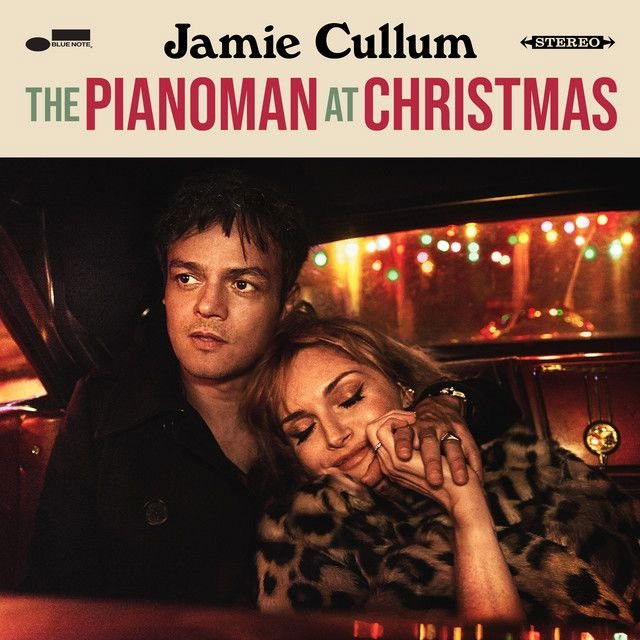
Why Jamie Cullum’s ‘It’s Christmas’ Hits Home
The meaning of It's Christmas Jamie Cullum comes down to a simple but sharp idea: the holiday season is supposed to bring people together, yet it often reveals tension, hurt, and small grudges. In this song, they turn that contradiction into the point. Rather than painting Christmas as perfect, Jamie Cullum presents it as messy, emotional, and still worth saving.
"It's Christmas" - Jamie Cullum
I look at you, and think, "What could go wrong?"
'Cause it's Christmas
Loading lyrics...
Unable to load lyrics
We're unable to display the lyrics at this time. Please try again later.
That makes the track more interesting than a standard festive anthem. It sounds bright and communal, but the lyric keeps asking why people who share a season of goodwill still struggle to act with kindness.
A Holiday Song About Conflict, Not Comfort
At its core, the song is a plea for peace. The speaker notices holiday music, decorations, and family rituals arriving at the start of December, but instead of feeling only joy, they sense the risk of arguments and disappointment. The line built around what could go wrong?
introduces that tension early.
From there, the chorus keeps returning to the same question: why can’t people stop fighting, at least for now? When Cullum sings let's make amends
, the message is not abstract. It is aimed at real relationships damaged by ego, history, or stress.
Interpretation: the song suggests that Christmas does not magically heal people. It only offers a chance to choose grace. That is why the repeated wish to get along
sounds hopeful, but also slightly frustrated.

Watch the official It's Christmas
music video
The Narrator’s View: Tired, Warm, and Still Hopeful
The voice in the song feels personal and social at the same time. They are speaking to one person, but also to a room, a family, maybe even a wider culture. That broad address matters because the song keeps moving between intimate feeling and public celebration.
The opening is conversational, almost wry. Then the language grows more communal with images of people gathering and choirs singing. This shift shows how private tension can become part of a bigger holiday mood. One uncomfortable silence at home can ruin a whole celebration.
Do you hear the choir singin'?Those sleigh bells don't stop ringin'
Those lines frame the world around the conflict. The season keeps performing happiness, whether people are ready or not. In other words, Christmas arrives with full sound and color, even when hearts lag behind.
How the Verses Build the Song’s Main Theme
One of the strongest details is the image of everyone gathered around the tree, supposedly sharing warmth, while also thinking about themselves. That is a smart contrast. The tree stands for community, but the behavior around it exposes selfishness.
Then Cullum adds humor with the line about petty differences going up the chimney. The joke matters because it softens the criticism. They are not condemning people as evil; they are mocking how silly holiday grudges can look in a setting built around joy.
Another important turn comes when the song admits there will be laughter and tears
. That phrase expands the meaning. This is not a song asking for fake cheer. It accepts that Christmas can bring grief, old memories, and emotional overload. The goal is not perfection. The goal is making room for all of it without letting bitterness win.
Sound and Arrangement: Why It Feels Bigger Than the Words
Cullum’s Christmas writing came from the sessions for The Pianoman at Christmas, a project shaped by his love of big, wide-screen arrangements and original songwriting. In an interview with American Songwriter, he said a Christmas album offered “freedom within the limitations of the subject matter” and let him think on a larger scale. He also said he wanted to write originals rather than rely on familiar covers. Those comments help explain why this song feels both classic and personal.
Musically, the track leans on festive signposts like choir imagery, bells, and a group-sing feel, but the emotional effect likely comes from contrast. Bright seasonal sounds suggest celebration, while the lyric keeps nudging listeners toward unresolved tension. That push and pull is the whole design.
Interpretation: if the arrangement feels warm and open, it may be because Cullum wants the song to sound like the ideal Christmas gathering that the lyric is still trying to create. The music acts like the better world the singer hopes people can choose.
A Message That Goes Beyond December
The song works because its question is bigger than a holiday hook. Yes, it is set in Christmas language, with seasonal cues and family-scene energy. But the emotional problem is universal: people often know what kindness looks like and still fail to practice it.
That is why the repeated appeal does not feel shallow. It sounds like someone trying one more time to calm the room, save the day, and protect a memory before it turns sour. The phrase new memories
is especially important because it points forward. The song is not trapped in old fights; it wants a better pattern.
Why the Song Connects With Listeners
For many listeners in the United States, Christmas music can feel split between nostalgia and pressure. Cullum taps both sides. They give people the sparkle they expect, but also acknowledge social strain, family friction, and emotional complexity.
That honesty is the reason the song lands. It does not pretend the season fixes everything. It argues that the season can remind people what matters, if they are willing to meet it halfway.
The Lasting Meaning of It’s Christmas Jamie Cullum
The meaning of It's Christmas Jamie Cullum is not that Christmas is always peaceful. It is that peace is a choice people keep failing, and keep being invited, to make. The song uses festive language to ask for empathy, humility, and a pause in needless conflict.
In that sense, it is less a carol than a gentle intervention. It invites listeners to laugh, cry, forgive, and protect the fragile togetherness the holiday promises.
Disclaimer: This interpretation is based on the released lyrics, musical context, and public comments from Jamie Cullum. Song meaning can remain personal and may differ from listener to listener.







