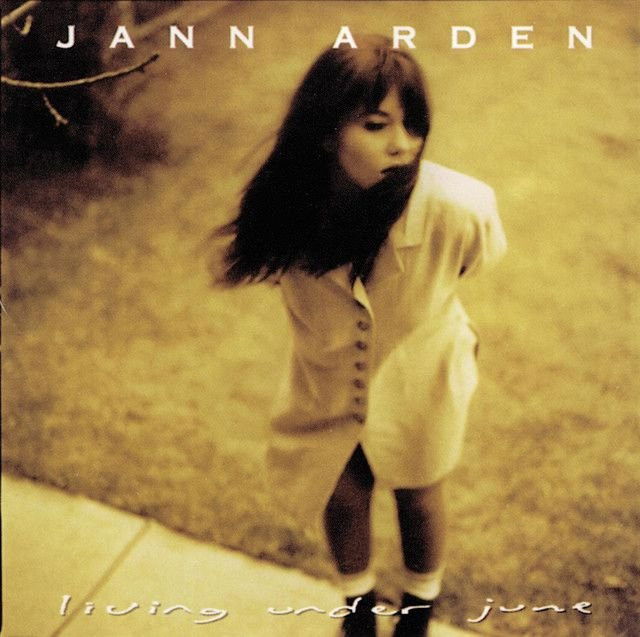
What 'Good Mother' by Jann Arden Really Means
Jann Arden’s “Good Mother” sounds simple at first, but that simplicity is part of its power. For many listeners, the meaning of Good Mother Jann Arden comes down to gratitude, survival, and identity. The song lists ordinary blessings, yet it also hints at pain, loneliness, and the hard work of becoming whole.
"Good Mother" - Jann Arden
I like the color of my hair
I've got a friend who loves me
Loading lyrics...
Unable to load lyrics
We're unable to display the lyrics at this time. Please try again later.
Written by Jann Arden Richards and Robert Foster, “Good Mother” is often heard as one of Arden’s signature songs from the 1990s pop-adult contemporary lane she helped define in Canada. Factually, the writing credit provided here names Arden Richards and Foster. Beyond that, the song’s emotional reputation rests on how plainly it speaks about family and self-worth.
More Than Gratitude, Less Than a Prayer
At the surface, the lyric is a list of comforts: money, a home, a car, a loving friend, and the line a good mother
. Those details create an image of stability. But the song does not feel boastful. Instead, it feels like someone taking inventory so they can stay grounded.
That is why the central line about the mother matters so much. When the singer says her mother’s voice keeps her here, the song suggests emotional rescue, not just affection. It points to a person who has known inner struggle and is naming what keeps them anchored.
Interpretation: this is not only a thank-you song to a parent. It is also a song about staying alive emotionally by holding on to voices of love, memory, and guidance.

Watch the official Good Mother
music video
The Hidden Conflict Under the Calm
The song becomes deeper when it moves from comfort to confession. Early details sound settled, but later the singer admits she has never wanted anything
so badly. That sharp hunger changes the mood. It tells listeners that peace is not fully secure; it is something they are reaching toward.
Another key image is cardboard masks
. In plain terms, the singer seems to be throwing away old roles and false versions of herself. She is not just counting blessings. She is clearing out identities that no longer fit.
This is where the song gets especially human. The speaker may have support, but support does not erase struggle. The song holds both truths at once: they are loved, and they are still trying to become themselves.
The Chorus Acts Like a Life Rule
The refrain is the emotional center of the track. Its short commands feel almost like advice passed down from family:
Feet on ground
Heart in hand
Facing forward
Be yourself
These lines are brief, but they carry the whole song. They urge balance between realism and feeling. “Feet on ground” points to practicality. “Heart in hand” keeps tenderness in the picture. “Facing forward” rejects getting stuck in the past, and “Be yourself” lands as the final moral.
Interpretation: the chorus sounds like the inner voice of loving parents turned into a personal code. It is the advice the singer repeats when life feels unstable.
Why Both Parents Matter
Even though the title highlights the mother, the father is just as important to the song’s meaning. The mother’s voice keeps me here
, while the father’s strength moves the singer to tears. Together, those images create a fuller emotional map of family.
The mother represents nurture, reassurance, and ongoing presence. The father represents endurance and example. The song does not idealize family in a grand, cinematic way. Instead, it shows how parents can shape a person through small but lasting forces: voice, strength, memory, and moral direction.
That balance is one reason the song connects across generations. Listeners can hear their own family stories inside it, even if the details differ.
How the Sound Supports the Message
“Good Mother” sits in a gentle pop style, and that matters. The arrangement is not flashy. Its steady pace and open emotional tone support the lyric’s honesty. Rather than overwhelm the words, the music leaves room for them.
Arden’s vocal approach is also key to the meaning of Good Mother Jann Arden. She sings with restraint more than drama, which makes the song feel conversational and believable. A bigger, more theatrical performance might have pushed the song toward sentimentality. Instead, the delivery helps it stay intimate.
Interpretation: the production mirrors the song’s values. It is grounded, direct, and unadorned, much like the chorus’s advice.
A Song About Identity, Not Just Family
One strong reading is that “Good Mother” is about rebuilding the self. The material comforts listed in the verses are not the final answer. The real goal is authenticity. The repeated call to be yourself
gives the song its direction.
That makes the track more than a family tribute. It becomes a personal manifesto about dropping the masks, accepting love, and moving forward without pretending. The speaker is not saying life is easy. They are saying they know what helps them remain real.
Why It Still Resonates
Part of the song’s staying power is that it names basic things many people overlook: shelter, friendship, parents, and self-acceptance. It does not need complex poetry to land. Its language is plain because its emotions are plain in the best sense: direct, recognizable, and true.
For U.S. listeners as much as Canadian ones, the song can feel like a quiet antidote to louder music about heartbreak or success. It says that identity is built through care, and that gratitude can coexist with pain.
The Final Take on “Good Mother”
In the end, the meaning of Good Mother Jann Arden lies in its mix of comfort and vulnerability. It is about being held up by family love while still fighting to become oneself. Its message is simple but not shallow: stay grounded, stay open-hearted, and try to live honestly.
That is the most durable gift the song offers. It turns family memory into practical wisdom.
Disclaimer: This interpretation is based on the lyrics provided and widely understood themes in the song. As with any art, individual listeners may hear different meanings.








