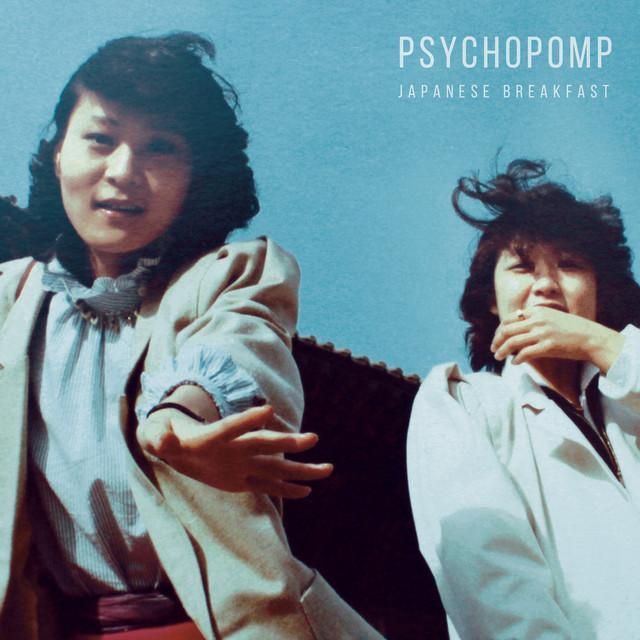
Psychopomp by Japanese Breakfast
A Tiny Song With a Huge Weight
The meaning of Psychopomp Japanese Breakfast starts with its size. The title track lasts only a little over a minute, yet it carries the emotional center of Michelle Zauner’s 2016 debut album Psychopomp. On the surface, it sounds simple: a soft voice, a few lines of comfort, and almost no narrative detail. But in context, the song feels like a private message spoken at the edge of loss.
"Psychopomp" - Japanese Breakfast
It's okay sweetheart
Don't cry, I love you
Loading lyrics...
Unable to load lyrics
We're unable to display the lyrics at this time. Please try again later.
Factually, Psychopomp was Japanese Breakfast’s debut studio album, released in the U.S. on April 1, 2016, and created after Zauner returned to Oregon while her mother was ill with cancer, as noted in the album’s Wikipedia entry. The album as a whole deals with grief, regret, memory, and love. That context matters because this song is less a standalone story than a concentrated emotional flash.

Watch the official Psychopomp
music video
What “Psychopomp” Means in This Setting
A psychopomp, in myth and religion, is a guide who leads souls between worlds. Zauner used that idea as the title for the album, and the song compresses that meaning into a small, almost ritual-like moment.
The words are minimal. They begin with Gwenchanta
, a Korean phrase that means something like “it’s okay” or “it’s alright.” Then the speaker offers comfort: It’s okay sweetheart
and Don’t cry, I love you
. In plain terms, the song sounds like one person soothing another through fear or pain.
It's okay sweetheartDon't cry, I love you
That tiny passage matters because it sounds like a bedside reassurance. Interpretation: listeners often hear it as a daughter speaking to her mother, a mother speaking to a daughter, or even a memory of both at once. The ambiguity is part of the song’s power.
Who Seems to Be Speaking?
The song never fully explains its speaker. That makes the emotional direction feel open, but not vague.
One reading is that Zauner is comforting her mother during illness, trying to say what cannot really fix the situation. Another is that the song recalls the kind of words a parent says to a child, turning memory into a form of protection. Because the lines are so basic and tender, they can move in either direction.
Interpretation: this back-and-forth may be the point. Grief often scrambles roles. The child becomes caretaker. The adult remembers being cared for. In that way, the song is about love surviving even when language breaks down.
The Korean Phrase Changes the Emotional Texture
The use of Gwenchanta
is especially important. It brings Korean language directly into a record that already carries Zauner’s Korean American identity in its background. It also makes the song feel more intimate than an English-only version would.
That phrase does not just mean “everything is fine.” In practice, it can feel like comfort spoken during stress, sadness, or pain. The phrase therefore carries both hope and helplessness. It tries to calm someone, even when the speaker knows the situation may not truly be okay.
For American listeners who know Zauner through her memoir and later work, this can also register as a family memory preserved in sound. The song becomes not only about grief, but about cultural closeness: the language of home appearing at a moment of emotional crisis.
How the Sound Carries the Meaning
The production is as important as the lyrics. Psychopomp blends dream pop, indie pop, shoegaze, and lo-fi textures, and Zauner co-produced the album with Ned Eisenberg. Critics noted that the album balances homemade intimacy with brighter, more melodic surfaces; Pitchfork described it as both deeply personal and expansive in its 2016 review.
On this specific track, the arrangement feels stripped down and fragile. There is no dramatic build and no big release. That restraint matters. A louder or busier version might have turned grief into performance. Instead, the song feels like they are overhearing a real human attempt to comfort someone.
The softness of the vocal delivery also supports the meaning. The singer does not sound theatrical. They sound close, careful, and almost whisper-like. That makes the song resemble a lullaby, prayer, or last reassurance.
How It Connects to the Album’s Larger Themes
The title track works like a hinge inside the album. Elsewhere on Psychopomp, Zauner writes songs that chase pleasure, desire, regret, and anger, but grief remains underneath. Reviews at the time noticed that tension: music that can feel upbeat or shimmering while holding heavy subject matter.
This short song strips away the brighter armor. It gives the album its clearest emotional core. If other tracks show how grief leaks into daily life, “Psychopomp” shows grief in its most direct form: love meeting helplessness.
It also fits the album title perfectly. A psychopomp guides someone through a threshold. This song sounds like a voice trying to accompany someone across one. Whether that crossing is literal death, emotional collapse, or the passage from one life stage into another, the theme is transition.
Why the Song Stays With Listeners
Part of the song’s impact comes from what it leaves unsaid. There is no detailed story, no scene-setting, and no explanation of what happened. That absence invites listeners to bring their own experiences of illness, family, and loss.
The tenderness of I love you
is simple enough to feel universal, but the setting around it makes it ache. This is not casual affection. It sounds urgent, like love spoken because time is short.
That may be why the song feels larger than its runtime. It captures a common truth of grief: at the hardest moment, people often fall back on the smallest words.
Final Take on the Meaning
The meaning of Psychopomp Japanese Breakfast is rooted in comfort offered at the edge of loss. Factually, the song belongs to an album shaped by Michelle Zauner’s experience of her mother’s illness and death. Interpretation: within that frame, the title track feels like a bilingual lullaby, a bedside prayer, and a portrait of love trying to guide someone through fear.
Its genius is its restraint. Rather than explain grief, it stages one intimate moment inside it. That is why such a short song can feel so devastating.
Disclaimer: This interpretation draws on the album’s documented context and the song’s lyrics and sound, but meaning in music is never fully fixed. Different listeners may hear different relationships and emotions in the track.







