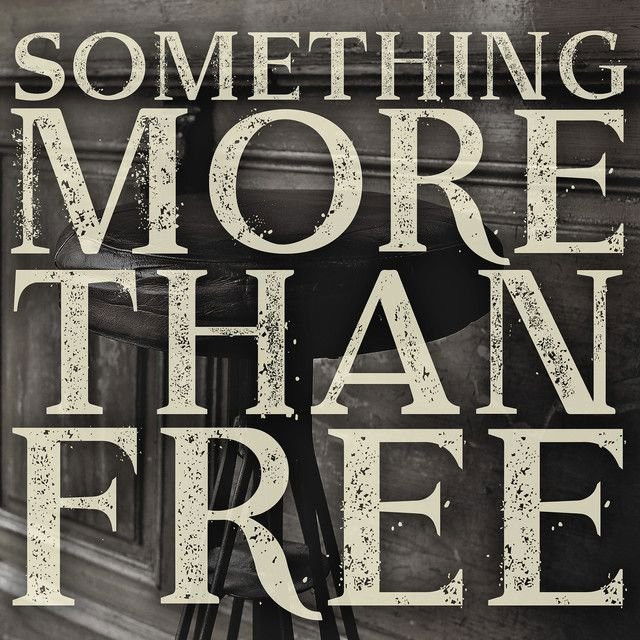
How to Forget by Jason Isbell
The meaning of How to Forget Jason Isbell hinges on one tough question: how do you carry the past without letting it sink the present? The song frames memory like a courtroom and a haunted theater, then asks for a way to wipe and rewrite.
"How to Forget" - Jason Isbell
Give her anything she needs
Get her out of here
Loading lyrics...
Unable to load lyrics
We're unable to display the lyrics at this time. Please try again later.
Memory on Trial: What the Song Is Really Saying
At its core, this is a reckoning with an ex who remembers everything. The opener’s rush—give her space, give her speed
—suggests panic management. He’s trying to guide the room, but mostly he’s trying to outrun an older self that keeps returning.
Isbell sets the stakes by admitting the stories are most of them are true
. That line undercuts any hope of easy denial. Interpretation: the song argues that real growth doesn’t erase facts; it reframes them so they stop ruling today.

Watch the official How to Forget
music video
Who’s Speaking, and To Whom?
The narrator speaks in first person to a former partner who knew him before he was stable or honest. He also talks to the current self—a person with more to lose—and to the listener who’s asked to judge. The courtroom echo in “tell the jury what you think” makes the ex both witness and conscience.
I was strained, I was sad It was years ago I was sick, I was scared It was years ago
He’s not seeking a not-guilty verdict so much as a fair sentence that accounts for who he is now.
The Chorus as a Reset Button
The hook—teach me how to forget
—sounds like a plea to a therapist, a friend, or the universe. But he adds a programmer’s twist: replace the character set
. Interpretation: he doesn’t want amnesia; he wants new code. He’s asking for a way to keep the data (lessons) while changing the language (shame and scripts) that decodes it.
When he adds I ain’t sorry just yet
, it’s not a dodge. It’s an honest pause. He’s working toward remorse that’s grounded in action, not performance.
What Actually Happens: A Quick Timeline
- He tries to de-escalate an awkward reunion where an ex tells hard truths.
- He owns the past in blunt terms, then frames it as distant.
- He conducts a self-trial, asking the ex to weigh his behavior.
- He affirms a new relationship that makes him “wanna live,” complicating guilt.
- He begs for tools to rewire memory so love in the present won’t collapse.
Symbols and Motifs, Decoded
- Horror cinema:
my past’s a scary movie
signals trauma on loop—jump scares he knows by heart. He’s both viewer and victim until he changes the script. - Courtroom language: “tell the jury” turns an ex into the public record. Interpretation: he’s staging accountability, not hiding it.
- Substances and speed: the opening mentions wine and weed as social grease, but also as avoidance. The command to move fast hints at old coping habits.
- Coding metaphor: “character set” reframes forgiveness as a software update—same files, different reading.
Sound Choices That Carry the Story
On Something More Than Free (released July 17, 2015), producer Dave Cobb shapes a crisp, Americana-forward band performance. The tempo is brisk, the guitars warm, and the drums keep a steady push that mirrors the narrator’s forward lean. Vocals sit up front, clear and conversational, so confessions land without melodrama. Amanda Shires appears across the album, and the 400 Unit’s cohesion lets small dynamic lifts—especially into the chorus—feel like breath, not bombast. The arrangement’s lightness underscores the theme: the past is heavy, but you don’t have to sing it that way.
Artist Context That Illuminates the Lyrics
Isbell’s post-sobriety albums track a move from crisis to clarity. In a 2015 interview about this record, he explained that the past can feel dreamlike once you focus on who you are now, not who you were then. That perspective matches the song’s shift from confession to craft: memories become tools, not shackles.
Why the New Love Matters
Midway through, the narrator says he’s found someone who makes him want to live. Interpretation: that statement doesn’t cancel regret; it raises the cost of clinging to it. If he stays stuck in replay, he loses the present. The song asks the ex—and himself—whether good change deserves room to breathe.
Alternate Readings Worth Considering
- Interpretation 1: A sobriety self-exam. The “jury” is his inner circle, the substances are old escapes, and forgetting means refusing to let shame dictate choices.
- Interpretation 2: A courteous break-up postscript. He invites the ex’s verdict to honor their history while asking to be seen as changed.
Both readings hinge on responsibility over revisionism.
Final Takeaway
The meaning of How to Forget Jason Isbell isn’t about erasing the past. It’s about changing how it reads. By admitting the truth, staging a fair trial, and asking for a new code, the song argues for mercy tied to growth.
Disclaimer: Interpretations are subjective and reflect one informed reading of the song’s lyrics, context, and production.