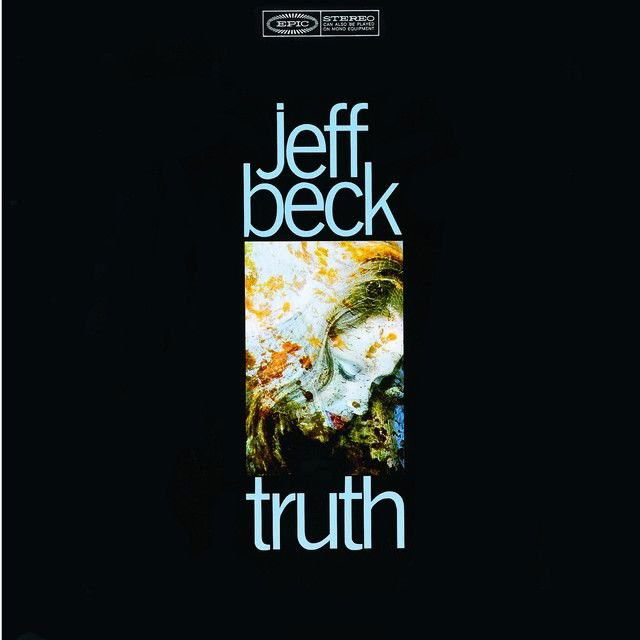
Shapes of Things by Jeff Beck Group
The meaning of Shapes of Things Jeff Beck Group begins with a warning: the future does not look clean, bright, or safe. In this version, Jeff Beck Group takes a song already known for social unease and turns it into something slower, heavier, and more threatening. What was once a sharp psychedelic protest becomes a dark blues-rock vision of a world sliding toward war, confusion, and moral decay.
"Shapes of Things" - Jeff Beck Group
Just help me to despise.
Will time make men more wise?
Loading lyrics...
Unable to load lyrics
We're unable to display the lyrics at this time. Please try again later.
The song first appeared as a 1966 Yardbirds single, written by Jim McCarty, Keith Relf, and Paul Samwell-Smith. It became a major hit, reaching No. 3 in the UK and No. 11 in the US, and it is widely cited as an early psychedelic rock landmark. The Jeff Beck Group later reworked it for Truth in 1968, with Rod Stewart on lead vocal and a much dirtier sound. Contemporary reporting and later histories describe Beck’s remake as a key step toward heavier hard rock. For this article, the focus stays on how that remake changes the song’s emotional meaning.
A Protest Song Turned Into a Threat
At its core, the lyric is about fear of what people are becoming. The opening image, Shapes of things
, suggests a world that is visible but not fully understood. The singer sees enough to feel alarmed, yet not enough to feel in control.
That matters because the song does not tell a tidy story. Instead, it presents flashes of dread: disgust, pain, loneliness, and a question about whether time will improve humanity. When the lyric asks Will time make men more wise?
, it is not confident. It sounds doubtful, almost desperate.
This reading matches comments from the song’s writers. Paul Samwell-Smith called it a protest song about destruction of the planet, while Jim McCarty later linked it to the Vietnam-era climate and anti-war feeling. Those statements support a factual baseline: the song reflects public crisis as much as private confusion.
Watch the official Shapes of Things
music video
The Speaker Feels Trapped Inside History
One of the song’s strongest ideas is that world events invade the mind. The line my eyes just hurt my brain
compresses that feeling into a vivid phrase. They do not simply see disturbing things; what they see becomes mental pain.
That image connects the outer world to the inner self. The speaker is not a distant commentator. They are someone absorbing too much, too fast, and struggling to make sense of it. The phrase within my lonely frame
adds isolation, suggesting a person stuck inside their body and thoughts while history bears down on them.
Tomorrow Feels Like a Threat
The repeated look toward the next day deepens the anxiety. Instead of promising growth, tomorrow may bring loss of innocence or forced participation in violence. The brief phrase maybe a soldier
is crucial because it turns an abstract fear into a human possibility.
Interpretation: In the Jeff Beck Group version, this moment sounds less like a question and more like a grim fate. Stewart’s rough vocal does not float above the fear; it lives inside it.
Why the Jeff Beck Group Version Feels Darker
Jeff Beck reportedly told Rod Stewart to slow the song down and make it “dirty and evil.” That choice changes everything. The Yardbirds original is quick, sharp, and exploratory. The Jeff Beck Group version drags with purpose, as if every beat is heavier than the last.
This matters for the meaning of Shapes of Things Jeff Beck Group because production can reshape a lyric. A fast arrangement can sound urgent or curious. A slower, thicker one can sound doomed. Beck’s guitar tone, the heavier rhythm section, and the rough-edged vocal move the song away from pop-psychedelia and toward menace.
Guitar as Emotional Argument
Beck’s playing is central to the song’s legacy. On the Yardbirds original, his feedback and raga-flavored phrasing were groundbreaking and often cited as early psychedelic innovation. In the Jeff Beck Group take, the guitar becomes less experimental in a futuristic sense and more crushing in a physical sense.
Instead of opening the sky, it seems to darken it. The riffs feel like pressure. The bends and fills sound wounded, angry, and unstable. That gives the lyric’s questions a new weight: maybe the world is not just confusing; maybe it is already broken.
Symbols, Themes, and the Song’s Big Questions
Several themes hold the song together:
- Alienation: the speaker feels cut off from comfort or clarity.
- Moral doubt: they wonder whether humanity learns anything.
- War anxiety: the soldier image hints at conscription, conflict, and lost youth.
- Environmental dread: the writers’ own comments support a broader protest against destruction.
The lyric works because it stays partly abstract. The “shapes” can mean social change, media images, war reports, pollution, or even the blurry forms of a mind under pressure. That ambiguity has helped the song last.
Come tomorrow, will I be older?Come tomorrow, maybe a soldier
Those two lines sum up the song’s core tension. Growing older should mean gaining wisdom. Instead, adulthood may mean being drafted into systems of violence.
Why the Song Still Lands Today
Part of the song’s power is that it refuses easy comfort. It asks whether time makes people wiser or saner, but it does not answer. That open wound still feels modern.
The Jeff Beck Group version especially connects because it sounds like dread made physical. The arrangement does not decorate the lyric; it underlines it with force. On Truth, a record often described as proto-heavy metal, this remake becomes a bridge between 1960s protest rock and the harder sounds that followed.
For listeners today, the meaning of Shapes of Things Jeff Beck Group is not hard to hear. It is about living in a damaged age, feeling overwhelmed by what they see, and wondering whether tomorrow will bring growth or disaster.
Final Take
Interpretation: The Jeff Beck Group does not simply cover “Shapes of Things.” They intensify its warning. Their version suggests that the future is not just uncertain; it is already closing in.
That is why the song endures. It captures the moment when private anxiety, public crisis, and revolutionary guitar music all meet in one place.
Disclaimer: Song meaning is always partly interpretive. The analysis above is grounded in documented comments from the writers and the song’s historical context, but listeners may hear different shades of meaning.








