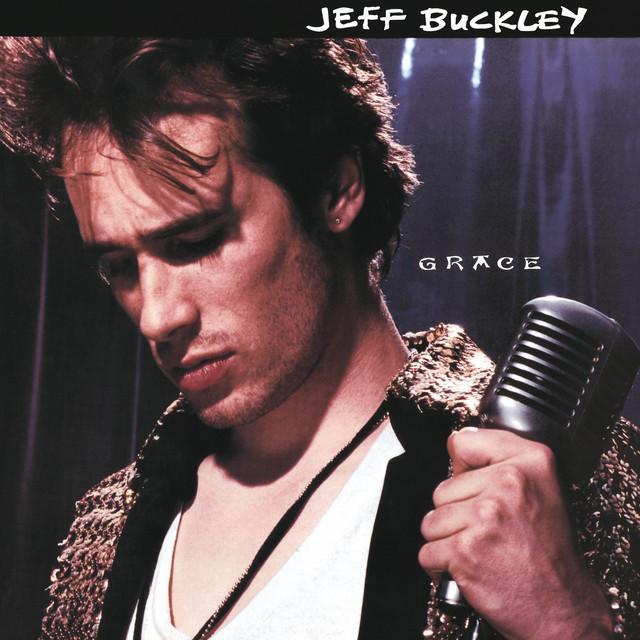
Why Jeff Buckley Made 'Eternal Life' Burn
Jeff Buckley’s "Eternal Life" is one of the fiercest songs on Grace. For listeners searching for the meaning of Eternal Life Jeff Buckley, the core idea is surprisingly direct: this is a protest song against hatred, violence, and the systems that teach people to treat others as less human.
"Eternal Life" - Jeff Buckley
Got my red glitter coffin, man, just need one last nail
While all these ugly gentlemen play out their foolish games
Loading lyrics...
Unable to load lyrics
We're unable to display the lyrics at this time. Please try again later.
Released as the final single from Grace in 1995, the track stands apart from the album’s softer and more romantic moments. According to Wikipedia, it was influenced by Buckley’s love of Led Zeppelin and is known for its overdriven guitar and bass. That heavier attack matters because the song’s message is not calm reflection. It is anger turned into warning.
A Protest Song Hiding in a Rock Explosion
Factually, Buckley himself explained the song’s intent on Live at Sin-é. He called it an angry song about people who ruin other people’s lives through force, prejudice, and power. He also connected its inspiration to racist violence, war, mass murder, and other historic cruelty, as summarized by Wikipedia.
That context helps decode the opening images. When the song mentions red glitter coffin
, it mixes glamour and death in one strange picture. The image feels theatrical, but the point is grim: modern culture can dress up destruction until it almost looks normal.
Then Buckley points at a world of false confidence and foolish games. The line about a flaming red horizon
suggests a future that is already burning. The song is not only about one villain. It is about a whole human habit of moving toward disaster while pretending everything is under control.
Watch the official Eternal Life
music video
The Chorus Turns Warning Into Choice
The chorus is where the song’s argument sharpens. Buckley asks whether anyone really believed a bloody road
could lead somewhere good. In plain terms, he is rejecting the idea that violence can build a moral future.
You better turn around
and blow your kiss hello
to life eternal
This is the article’s only longer lyric quote, and it is key because it flips the title. “Eternal life” does not sound heavenly here in a simple religious sense. Interpretation: Buckley seems to use it as a moral challenge. Real life, lasting life, or worthy life begins when people turn away from cruelty rather than justify it.
That makes the chorus less like comfort and more like confrontation. The song does not say people are trapped forever. It says they still have a chance to turn around.
The Most Blunt Verse in the Song
The second verse removes any doubt about the target. Buckley addresses the racist everyman
, which is one of the song’s strongest phrases. He is not only condemning obvious extremists. He is accusing ordinary society, the everyday person, of helping violence survive.
That choice makes the song broader and more unsettling. Hatred is not presented as a rare monster. It is presented as something woven into daily life, politics, family history, and public silence.
When the singer says all he wants is to love everyone, the song briefly opens into a different vision. This is important. Buckley is angry, but the anger is not empty rage. It grows out of a moral desire for connection, dignity, and human equality.
Questions Instead of Dogma
One of the most revealing moments comes when the song says there is no time for hatred
, only questions. Then it asks about love, happiness, life, and peace. That section shifts the track from accusation to spiritual crisis.
This is where the meaning of Eternal Life Jeff Buckley becomes bigger than politics alone. The song challenges any belief system that promises truth while producing fear, cruelty, or obedience without compassion. Later, Buckley questions the kind of “prophet” language that sounds more like imprisonment than liberation.
Interpretation: He may be criticizing religious hypocrisy, but not necessarily faith itself. The deeper target seems to be any ideology that claims moral authority while dehumanizing people.
Why the Music Sounds So Violent
The production carries the message as much as the words do. On Grace, Buckley often used spacious, emotional arrangements. Here, they lean into distortion, pounding rhythm, and a hard-rock edge. The recording featured Buckley on vocals and guitar, Mick Grøndahl on bass, and Matt Johnson on drums, with Buckley and Andy Wallace credited as producers.
That aggressive sound matters because it enacts the song’s moral pressure. The riff feels like a chase. The drums hit like alarm bells. Buckley’s voice moves between accusation, grief, and desperate release.
In other words, the song does not simply describe social violence. It makes listeners feel a world under strain. That is why “Eternal Life” can sound almost chaotic compared with other Grace tracks. Its form matches its outrage.
Two Strong Readings of the Song
There are at least two useful ways to hear it:
- Political reading: The song condemns racism, war, and public cruelty.
- Spiritual reading: The song asks what kind of life is truly worth living if belief becomes a weapon.
These readings support each other. Buckley treats moral failure in society and emptiness in the soul as connected problems.
Why It Still Feels Current
What keeps the song alive is its refusal to make hatred sound glamorous or strong. Instead, Buckley presents it as childish, destructive, and spiritually deadening. The song’s force comes from that contrast: brutal music carrying a plea for love, honesty, and peace.
For many listeners, the meaning of Eternal Life Jeff Buckley is this simple and this difficult: people can keep choosing fear and domination, or they can turn toward a more human way of living. Buckley delivers that idea with fury because he believed the stakes were real.
Final takeaway
“Eternal Life” is Jeff Buckley at his most openly political and morally urgent. It is a hard-rock protest against hatred, but also a spiritual argument for compassion over power.
Disclaimer: This interpretation is based on the released song, documented artist comments, and musical context. As with any work of art, listeners may hear meanings that differ from this reading.








