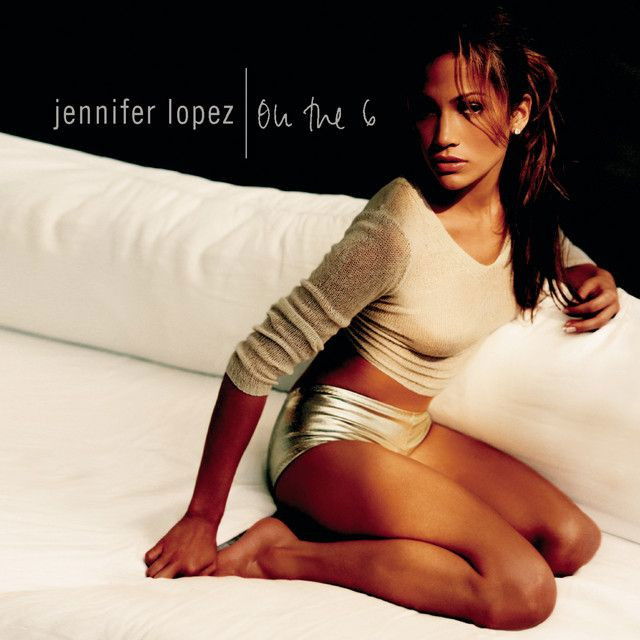
Waiting for Tonight by Jennifer Lopez
What makes this dance-pop hit feel so timeless? The answer lies in how it turns longing into celebration.
"Waiting for Tonight" - Jennifer Lopez
Like a movie scene
In the sweetest dream
Loading lyrics...
Unable to load lyrics
We're unable to display the lyrics at this time. Please try again later.
When Anticipation Becomes the Whole Story
The meaning of Waiting for Tonight Jennifer Lopez comes down to emotional release. The song is about someone who has imagined love for a long time and is finally living inside that moment. Instead of focusing on conflict, it stays locked on the instant when hope becomes real.
The verses set up that contrast clearly. They describe fantasy, memory, and loneliness before moving into touch and presence. Short phrases like like a movie scene
and sweetest dream
show that this love first existed in the mind before it arrived in real life.
Interpretation: That is why the song feels bigger than a standard love ballad. It is not just about romance. It is about reward after waiting, and that emotional payoff gives the chorus its lift.

Watch the official Waiting for Tonight
music video
A Voice Looking Back at Loneliness
Although the lyrics are written in first person, the song presents a speaker who looks backward even while standing in the middle of joy. They remember sadness so the present can feel brighter.
That contrast is key to the song's meaning. When the lyric refers to an empty heart
, it frames earlier life as incomplete. Then the chorus answers that emptiness with arrival: the person they wanted is finally here.
There is also a physical side to the writing. Lines about lips, fingertips, breath, and embrace make the emotion feel immediate rather than abstract. The song does not just say love has appeared; it shows how that changes the body, the mood, and the sense of time.
How the Chorus Turns Waiting Into Joy
The chorus is simple, but that simplicity is the point. The repeated phrase waiting for tonight
works like a countdown and a release at once. It captures the suspense of longing, then turns it into celebration.
What makes that hook effective is how it connects past and present in one phrase. The speaker has already waited, dreamed, and held on. Now the same words become proof that the wait is over.
When you would be here in my arms
I've dreamed of this love
Those lines are the emotional thesis of the song: desire has moved from imagination into reality. The repetition makes the feeling universal, which is one reason the track became such a durable hit.
The Images Are Simple but Strategic
The song uses familiar images, but they are chosen carefully. Dreams suggest fantasy. Night suggests anticipation. Arms and embrace suggest safety. Together, those details build a story about love as refuge.
Another useful phrase is setting me free
. In context, the singer is not talking about freedom from rules. They are talking about freedom from sadness, doubt, and isolation. That gives the song a deeper emotional layer beneath its glossy surface.
Interpretation: They may also be singing about emotional healing. The lyrics suggest that love does not just bring pleasure; it repairs an old hurt. That is why the song feels both romantic and relieved.
Why the Production Matters So Much
A big part of the meaning of Waiting for Tonight Jennifer Lopez comes from the sound. Jennifer Lopez released the song on her debut album On the 6 in 1999, and it became one of her signature early hits. It was written by Maria Christensen, Michael T. Garvin, and Phil Temple, and the famous single version is closely tied to the club-ready production associated with Hex Hector and Ric Wake.[1][2][3]
Musically, the track blends late-1990s dance-pop and Latin-pop crossover energy. The beat is steady and propulsive, while the synths shimmer rather than brood. That matters because the production does not treat longing as pain alone. It turns longing into motion.
The arrangement keeps building instead of collapsing inward. Each return to the chorus feels brighter and more physical, almost like a room filling with light. Lopez's vocal delivery helps too: they sing with softness in the verses, then open up in the hook, which mirrors the move from private dreaming to public joy.
Artist Context Gives the Song Extra Weight
The track arrived during Lopez's breakout pop era, shortly after their acting success expanded into music stardom.[4] In that context, the song's theme of arrival fit the moment perfectly. Even listeners who did not think about the lyrics deeply could hear a story about stepping into something long imagined.
That helps explain why the song has lasted in weddings, clubs, New Year's playlists, and nostalgic pop discussions. Its emotional message is easy to grasp, but its production gives it enough energy to live beyond its original chart moment.
More Than Romance, Less Than Mystery
There is not much ambiguity in the plot, and that is one of the song's strengths. It says what it means directly. Still, there are two useful ways to read it:
- Literal reading: a person is finally with the lover they have desired.
- Interpretive reading: the song is also about a life moment they have waited to grow into, with love standing in for fulfillment itself.
Both readings fit because the language stays broad and emotionally clear.
Why the Song Still Connects
In the end, the meaning of Waiting for Tonight Jennifer Lopez is about the joy that comes after longing. It takes private hope and gives it a dance beat, so the feeling becomes communal instead of hidden.
That is why the song still works. It tells listeners that waiting can have a payoff, and when the moment finally comes, it can feel as perfect as they imagined.
Disclaimer: This interpretation is based on the lyrics, recording context, and public song history. Like all pop songs, it can support more than one personal reading.








