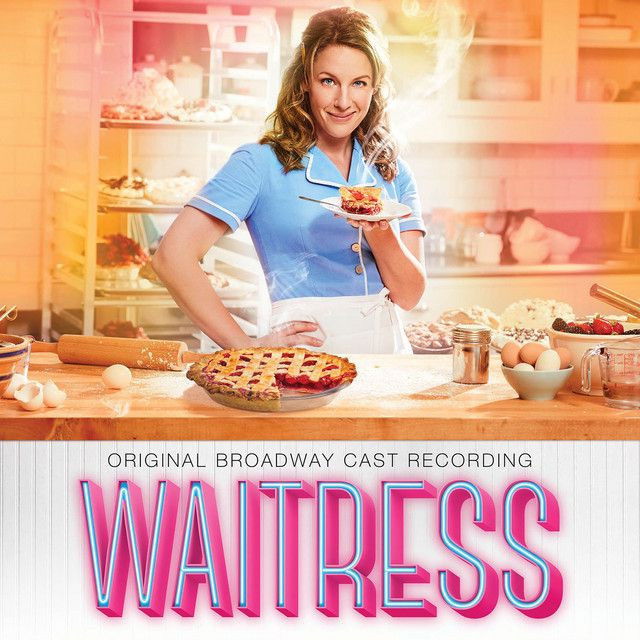
Opening Up by Jessie Mueller, Keala Settle, Kimiko Glenn, Eric Anderson, Waitress Original Broadway Cast Ensemble
Why This Opening Number Matters
The meaning of Opening Up Jessie Mueller, Keala Settle, Kimiko Glenn, Eric Anderson, Waitress Original Broadway Cast Ensemble starts with routine. This is the first major ensemble number in Waitress, and it tells listeners almost everything they need to know about Jenna’s world before the plot fully unfolds.
"Opening Up" - Jessie Mueller, Keala Settle, Kimiko Glenn, Eric Anderson, Waitress Original Broadway Cast Ensemble
Uh, deep shit blueberry bacon
Deep shit?
Loading lyrics...
Unable to load lyrics
We're unable to display the lyrics at this time. Please try again later.
The song is set in a diner, where coffee is poured, orders are shouted, and the same customers return day after day. On the surface, it sounds cheerful and brisk. Underneath, it carries exhaustion, acceptance, and a small but important ache for something more.
Written by Sara Bareilles for the Broadway musical Waitress, the song works as character setup and social portrait at the same time. It introduces Jenna, her coworkers, and the emotional weather of their town in one sweep.

Watch the official Opening Up
music video
A Morning Song About Feeling Stuck
At its core, this song is about living inside repetition. The workers open the diner, greet familiar faces, and move through a schedule they know by heart. The hook, Opening up
, refers to unlocking the business for the day, but it also hints at emotional exposure.
That double meaning matters. These characters are not making grand speeches about their pain. Instead, they reveal themselves through habit. Jenna admits she barely has time to think beyond the next task. The line about making coffee strong enough to chew turns a joke into a signal: life here is heavy, and everyone is bracing themselves to get through it.
Interpretation: The song suggests that routine can be both comfort and trap. It keeps people moving, but it also keeps them from asking harder questions about what they want.
Jenna’s Mindset in the Middle of the Rush
The dream is vague, but real
One of the most telling moments comes when Jenna says she does not know what she wishes she had. That is crucial to the song’s meaning. Her dissatisfaction is real, but it is not yet fully shaped into a plan.
That emotional fog fits where Waitress begins. Jenna is talented, observant, and capable, but she is also buried under work and personal strain. So when she says there is too much to do
, the phrase means more than a packed shift. It points to a life so crowded that desire itself becomes hard to name.
The town runs on repetition
Other characters deepen that feeling. Dawn, Becky, Cal, and the ensemble help paint a place where familiar patterns rule everything. Greetings like how ya been?
and Thank you, come again!
are polite, useful, and empty at the same time.
The effect is not cynical. The song does not mock small-town life. Instead, it shows how community language can become automatic. People stay connected, but they may stop being truly seen.
How the Lyrics Build the Theme
The song moves in short bursts, just like a diner shift. Lines come quickly, then repeat. That structure mirrors the workers’ day: open, serve, reset, repeat.
A brief lyric passage captures that cycle:
Opening up
Letting the day in
Looking around
Seeing the same things
Before and after that refrain, the song keeps returning to sameness. The chorus sounds welcoming, but the repeated images make the welcome feel mechanical. That is the clever part of Bareilles’ writing. The language is simple enough to sound natural in a diner, yet precise enough to carry emotional weight.
Another striking line is Some things never change
. In the moment, it sounds like observation. In context, it lands more like resignation. The phrase sums up the song’s tension: stability can feel safe, but it can also feel like a sentence.
The Sound of Work, Motion, and Contained Feelings
Musically, “Opening Up” is lively, rhythmic, and built for stage movement. The arrangement supports the busy pace of a restaurant morning, with a strong pulse and ensemble interplay that feels almost choreographed by labor itself. Listeners can hear the world being assembled in real time.
That brightness is important. If the music were gloomy, the number would become too simple. Instead, the upbeat style creates contrast. The audience hears energy while the lyrics reveal strain. That split reflects how service workers often perform warmth no matter what they feel.
The Original Broadway Cast recording, released through the show’s cast album, preserves that balance. Jessie Mueller leads with clarity and control, while Keala Settle, Kimiko Glenn, Eric Anderson, and the ensemble give the number its communal shape. It sounds like one workplace breathing together.
Home, Survival, and Small Hopes
One lyric about a small town says a lot with very little. The song admits the place is limited, yet still feels like home. That mixed feeling is central to Waitress as a whole. Home is not romanticized here. It is where people land, endure, and keep going.
Interpretation: The song is not only about boredom. It is also about survival skills. Order, timing, humor, and repetition help these characters make it through days that might otherwise overwhelm them.
That is why the number connects so strongly with audiences. Even outside the musical’s plot, many people know what it feels like to live by schedule, to smile through fatigue, and to wonder if life could hold something larger.
Final Take on the Song’s Meaning
The meaning of Opening Up Jessie Mueller, Keala Settle, Kimiko Glenn, Eric Anderson, Waitress Original Broadway Cast Ensemble lies in its portrait of ordinary life under pressure. It is a song about opening a diner, but also about opening another day of a life that feels fixed in place.
Its warmth, humor, and repetition show how people keep functioning when they are tired, underpaid, uncertain, or quietly longing for change. In Waitress, that makes the number more than scene-setting. It becomes the emotional baseline from which Jenna’s story can grow.
Disclaimer: This interpretation is based on the lyrics, performance, and known context of Waitress. As with any song, listeners may hear meanings that differ from this reading.








