The Meaning of 'Wading' by Jhené Aiko
They press play on Wading and land in a tide pool of feelings—still water, shallow depth, and a heart holding its breath. For listeners searching the meaning of Wading Jhené Aiko, this is a song about patience pushed to its limit. It asks how long love can tread water before it sinks or finally swims.
"Wading" - Jhené Aiko
Out in the open, baby I know
That you would notice
Loading lyrics...
Unable to load lyrics
We're unable to display the lyrics at this time. Please try again later.
Heart on the Shoreline: What the Song Really Says
At its core, Wading is a stand-off between desire and delay. The narrator wonders whether staying loyal is wise or self-defeating, asking, Should I be wading?
That question doubles as a pun with “waiting,” turning water into a metaphor for suspended motion.
The hook answers with need and urgency—Don't keep me waiting
—but the verses show why she’s still there: the bond feels essential, almost fated. The tension is clear. She believes in the connection, yet the lack of movement makes each minute feel heavier.

Watch the official Wading
music video
Who’s Speaking—and To Whom?
The voice is first-person intimate, directed at a hesitant partner. When she says, Picture me rolling
, she imagines herself visible and moving on, knowing the other person would notice. It’s a gentle nudge with a hint of an ultimatum.
Her self-awareness grounds the song:
I am not perfect I would never let You think I was more than this As good as it gets
Those lines reject idealization. She won’t sell a fantasy; she’s offering honesty and a real timeline. If the other person can’t step forward, she won’t drown for them.
How the Story Unfolds in Small Ripples
Interpretation:
- First, attraction grows despite mixed signals. She senses they want her to stay close, yet not commit.
- Next, she tests boundaries by imagining other options—“rolling” away—to show what’s at risk.
- The chorus repeats the central question of patience, raising the stakes each time.
- Finally, the repetition of
Until I turn blue
turns waiting into a physical limit, suggesting she cannot hold her breath forever.
Across the song, the timeline is less event-driven and more emotional. Each refrain is another minute underwater.
Symbols in the Water: Wading, Blue, and Breath
Interpretation: Water here is not a flood of passion; it’s a shallow pool where movement is possible but withheld. “Wading” means staying in place, feet planted, not diving in.
Blue carries two meanings at once: the color of suffocation and the feeling of sadness. Saying she’ll wait Until I turn blue
fuses those ideas—she’s committed, but the cost is mounting. Breath becomes the body’s clock; patience is oxygen.
The imagined motion in Picture me rolling
adds contrast. Rolling signals forward momentum and even escape. The song’s drama lives in the space between the shore (wading) and the road (rolling).
Sound as Tide: Production That Suspends Time
The production sits in minimalist R&B/Soul, with hushed vocals, soft pads, and a submerged low end. The tempo feels unhurried, almost like a slow inhale-exhale cycle. That restraint mirrors the lyric’s suspended state—nothing erupts, yet pressure builds.
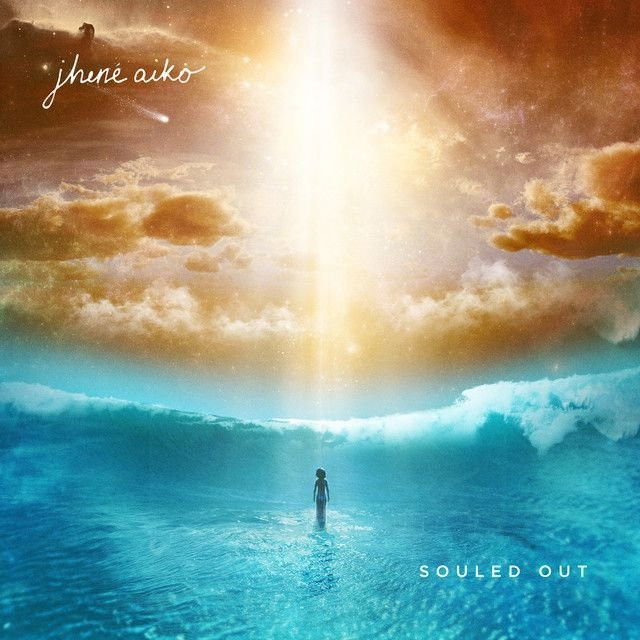
Oladipo Omishore (Dot da Genius) co-wrote the track, and the palette aligns with his understated, atmospheric style. On Souled Out (2014), critics noted Jhené Aiko’s meditative approach, where space and texture carry as much meaning as words. Wading fits that album aesthetic by letting silence, echo, and falsetto do narrative work.
Her delivery is key. She stretches phrases just enough to suggest longing without melodrama. Stacked, airy harmonies feel like ripples widening across still water. Every production choice keeps the listener in that shallow, waiting place.
Why It Still Resonates: Two Readings That Both Ring True
Interpretation 1: A portrait of delayed commitment. She loves someone who is not ready. The song becomes a boundary-setting plea—move forward or let me go.
Interpretation 2: A mirror of self-worth. The “wading” is as much internal as relational. She’s choosing not to lose herself in fantasy. The admission of limits—“as good as it gets”—is honest, not defeatist.
Both readings are supported by the chorus’s push-pull: devotion and warning, tenderness and timeline.
Quick Guide: What the Chorus Really Means
Interpretation: The hook reframes the verses as an endurance test. Should I be wading?
isn’t only a romantic question; it’s a life skill check—how long can love wait before it stops being love and starts being fear?
Takeaway
For listeners exploring the meaning of Wading Jhené Aiko, the song is a study in patient love—beautiful, but not endless. It respects feeling and demands action. That’s why it lingers: it captures the exact moment a heart decides not just what it wants, but what it won’t risk.
Disclaimer: Song interpretations are subjective. This analysis blends lyrical reading with publicly available context and should not be taken as the artist’s definitive intent.