Why ‘Free (Epilogue)’ Feels Bigger Than Romance
When people search for the meaning of Free (Epilogue) Jill Scott, they usually hear a simple love song first. But the song works on a deeper level than that. It turns love into a feeling of release, peace, and full emotional safety.
"Free (Epilogue)" - Jill Scott
Free like a summer's eve
Free like the waves are crashing
Loading lyrics...
Unable to load lyrics
We're unable to display the lyrics at this time. Please try again later.
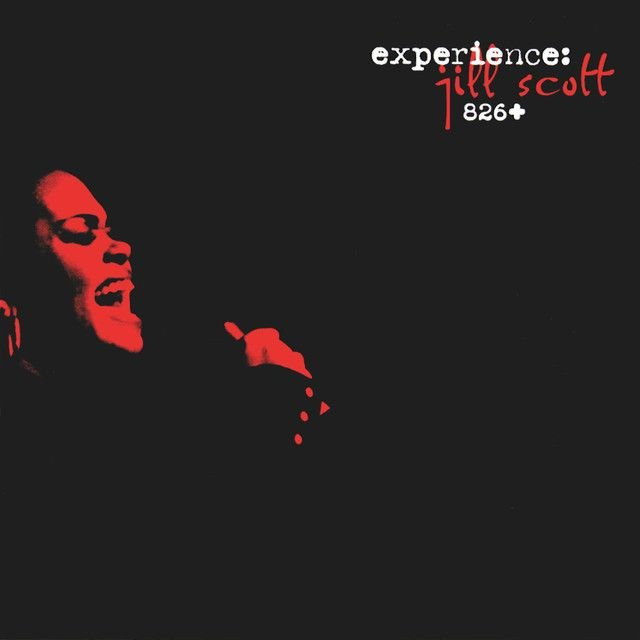
On Experience: Jill Scott 826+, “Free (Epilogue)” appears as a long closing studio piece that runs 16:08, following “Free (Prelude)” on the same bonus disc, according to AllMusic. That placement matters. It makes the song feel like a final meditation rather than just another track.
The Heart of the Song Is Freedom Through Love
At its core, “Free (Epilogue)” compares love to the most open things in nature. The speaker does not describe love as control, drama, or pressure. Instead, they connect intimacy to air, water, sky, and motion.
Short phrases like free like a willow tree
and free like the open sea
show how the song builds that idea. Each image suggests space, movement, and a life force that cannot be boxed in.
Interpretation: Jill Scott and co-writer Andre Harris seem to frame real love as something that expands a person rather than limits them. In this reading, the song says the healthiest bond is one where affection and freedom are not opposites.

Watch the official Free (Epilogue)
music video
Nature Does the Heavy Lifting
One reason the song feels memorable is its chain of natural images. Trees bend without breaking. Waves keep moving. Bees drift from place to place. The moon hangs above everything without effort. These are calm but powerful symbols.
The lyrics also move from the wide world to the human body. The song mentions the eye, tears, and the moment of being held. That shift is important. It brings freedom down from a huge abstract idea into lived experience.
In other words, the song argues that freedom is not only political or social. It can also be emotional. It can live inside touch, trust, and vulnerability.
A Love Song, but Not a Possessive One
Many romantic songs talk about needing someone so much that the self almost disappears. “Free (Epilogue)” does something different. Even when it gets intimate, it keeps individuality intact.
That is why the line about the moment when you hold me closely
matters. The embrace is warm, but it is not described as trapping anyone. Instead, closeness becomes the place where the speaker feels most like themselves.
Free like the brown in my eye
Free like the tears that I cry
This brief moment makes the message even richer. The song treats personal identity and emotion as naturally free. Even tears belong in that freedom. Love, then, is not just joy. It is acceptance of the whole self.
Jill Scott’s Bigger Artistic Context
The meaning becomes clearer when placed beside Jill Scott’s early career. Billboard’s anniversary feature on Who Is Jill Scott? Words and Sounds Vol. 1 describes her work as rooted in Black love, sexuality, spirituality, and vivid storytelling, all shaped in Philadelphia’s A Touch of Jazz scene with producers including Andre Harris and others. The same piece quotes Scott saying the album was sequenced like a movie and united by a “love thread” throughout.
That context fits “Free (Epilogue)” well. Even though it appears on the later Experience: Jill Scott 826+ set, it still carries her signature approach: songs as lived scenes, not just hooks. They are meant to be felt in the body.
Interpretation: “Free (Epilogue)” sounds like an extension of that philosophy. It is less about plot than state of being. They are not telling a dramatic story here; they are dwelling inside a feeling until it becomes almost spiritual.
How the Sound Supports the Meaning
The production style matters just as much as the lyrics. Scott’s early catalog grew from a Philly neo-soul sound that blended jazz, gospel, hip-hop, and R&B. Billboard notes that producers often “painted around” her voice and words, leaving room for her spoken-word instincts.
That spacious method helps explain why “Free (Epilogue)” feels unhurried. Its long runtime suggests reflection, repetition, and atmosphere instead of a tight radio format. Repeated phrases like free like the summer’s eve
work almost like a chant. They are soothing, but they also deepen the song’s trance-like quality.
Scott’s delivery is key too. Her voice does not rush to prove the point. It rests in it. That patience makes freedom sound embodied, not theoretical.
Why the Repetition Matters
Some listeners may wonder why the song circles the same word again and again. The answer is that repetition is the message. By returning constantly to free like the moon above
and similar images, the song tries to create a mood of release in real time.
Instead of advancing through conflict and resolution, it opens outward. The listener is invited to sit in the feeling, the same way one might watch water or sky without needing a conclusion.
This is also why the title matters. An “epilogue” usually comes after the main action. It does not start the story; it leaves the audience with the final emotional truth. Here, that truth is simple: love at its best feels spacious.
Final Take on “Free (Epilogue)”
So what is the meaning of Free (Epilogue) Jill Scott? The song presents love as emotional liberation. Through natural imagery, bodily detail, and a soft but steady neo-soul atmosphere, it says real intimacy should make people feel more open, more honest, and more fully themselves.
That idea helps explain why the track still resonates. It is sensual, but it is also peaceful. It is romantic, but it never sounds possessive. Above all, it imagines freedom not as distance from love, but as the highest form of it.
Disclaimer: This interpretation is based on the song’s lyrics, structure, and documented career context. As with all art, listeners may hear different meanings in “Free (Epilogue).”








