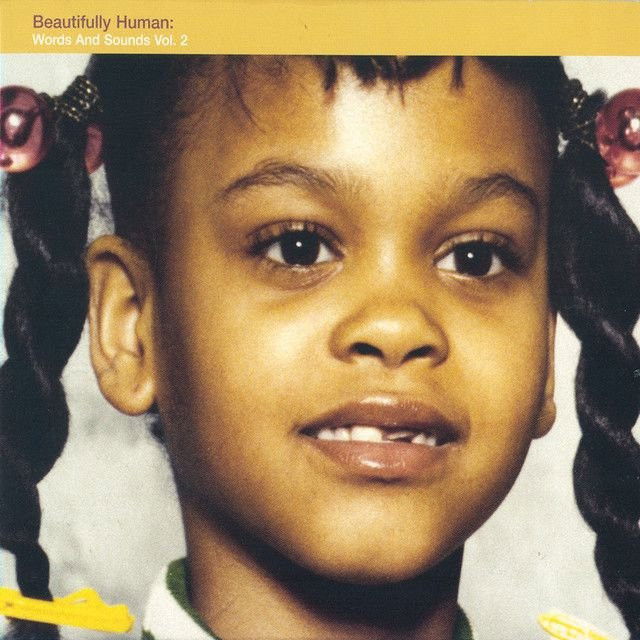
My Petition by Jill Scott
Jill Scott turns personal disappointment into a civic demand, making this song feel like both a heartbreak story and a public protest.
"My Petition" - Jill Scott
Provided by LyricFindYou say you mean good for me
But you don't do it
You say you have a plan but you just don't go through with itLoading...Loading lyrics...
Unable to load lyrics
We're unable to display the lyrics at this time. Please try again later.
Where the meaning starts: trust is broken
The meaning of My Petition Jill Scott begins with betrayal. The speaker addresses someone in power who keeps making promises and then failing to act. On the surface, it sounds like a damaged relationship. But as the song unfolds, that relationship clearly grows larger than romance.
Early lines center on repeated letdowns. Short phrases like empty promises
and leave me hollow
show emotional damage, but they also sound political. This is not just about hurt feelings. It is about what happens when leaders speak in comforting language and then do nothing that improves real life.
Interpretation: Scott frames distrust as a public emotion. The pain is personal, yet the target feels institutional. That blend gives the song its force.

Watch the official My Petition
music video
From private hurt to public protest
A key turn in the song comes when the speaker stops arguing only from emotion and starts arguing from rights. They reject silence and assert the right to speak, question, and demand change. That shift is the song’s backbone.
By invoking the language of petition and grievance, Scott connects everyday frustration to democratic action. The song suggests that disappointment becomes political when people are told to wait, stay quiet, or accept poor conditions. In that sense, stating my opinion
is not a small act. It becomes resistance.
This is one reason the song feels so American in its imagery. The repeated call of Oh, say can you see
echoes the national anthem, but here it sounds less triumphant than searching. The phrase asks whether the nation can truly see the people it claims to serve.
Why the anthem reference matters
The anthem reference is the song’s sharpest device. It ties patriotism to accountability. Instead of celebrating symbols for their own sake, Scott asks whether those symbols mean anything without justice, honesty, and safety.
Oh, say can you see
By the dawn's early light
Used in this setting, those familiar words feel unsettled. They are not there to create ceremony. They create contrast between national ideals and daily reality.
Interpretation: The song argues that loving a country includes challenging it. Real faith is not blind faith. It requires follow-through.
What the speaker is really asking for
One of the most effective parts of the lyric is its list of basic needs. The speaker wants fresh fruit, clean water, safe streets, and a better future for their children. These are not luxury items. They are ordinary human expectations.
That matters because the song never asks for vague inspiration alone. It asks for material conditions that let people live with dignity. The wish to feel free
is therefore bigger than emotion. Freedom here means health, safety, education, and trust in public systems.
This part broadens the song’s reach. Anyone listening can hear a social critique in it: environmental inequality, neglected neighborhoods, fear in public spaces, and broken promises from authority. Scott keeps the language plain, which makes the message hit harder.
How Jill Scott’s style carries the message
Jill Scott is known for blending spoken intimacy with neo-soul warmth, and that matters here. Even without overcomplicated wording, they make the song feel layered. Their voice moves between tenderness, disbelief, and resolve, so the message sounds lived-in instead of abstract.
The writing credits provided for the song list Jill H. Scott, Andre Harris, and Vidal Davis. That team helps explain the balance between lyrical directness and smooth R&B framing. Scott has long been associated with soul music that joins personal reflection and social awareness, a style also visible in her broader discography.
Production-wise, the song’s R&B/soul setting softens nothing; it deepens the plea. A groove like this can make hard truths easier to absorb, while the repetition gives the demand a prayer-like quality. The result is not explosive protest music. It is steadier, almost conversational, which can be even more persuasive.
Two strong ways to read the song
There are at least two valid readings of My Petition.
A direct political reading
The clearest reading is that the song addresses government or public leadership. The rights-based language, the anthem reference, and the list of public needs all support that view. In this reading, the repeated dishonesty is systemic, not romantic.
A relationship-as-metaphor reading
Another reading is that Scott uses the shape of a broken relationship to describe citizenship. The speaker sounds like someone confronting a partner who keeps lying and asking for trust anyway. That emotional setup makes the political message easier to feel in the body, not just understand in the mind.
Both readings can work at once. In fact, that overlap is probably why the song stays memorable.
Why the song still resonates
The meaning of My Petition Jill Scott remains powerful because its complaints are still recognizable. People still worry about safety, clean resources, honest leadership, and whether their voices matter. The song captures the moment when patience runs out but hope does not.
It does not reject faith completely. Instead, it says faith must be earned. Trust without action is empty, and patriotism without care for people is hollow. That is the emotional and political center of the track.
Final thought
My Petition turns frustration into testimony. Jill Scott presents citizenship as a relationship that should include honesty, protection, and respect. When those things fail, the right response is not silence. It is to speak, to ask, and to petition.
Disclaimer: This interpretation is based on the song’s lyrics, credited writers, and widely understood cultural references. As with any art, listeners may hear different meanings.







