Why ‘Bad, Bad Leroy Brown’ Still Hits
The meaning of Bad, Bad Leroy Brown Jim Croce comes down to a simple but sharp idea: reputation can look powerful, but pride often ends in humiliation. Jim Croce turns that lesson into a funny, fast-moving character sketch. Rather than making Leroy Brown into a true hero, they present him as a local legend whose swagger grows so large that his collapse feels inevitable.
"Bad, Bad Leroy Brown" - Jim Croce
Is the baddest part of town
And if you go down there
Loading lyrics...
Unable to load lyrics
We're unable to display the lyrics at this time. Please try again later.
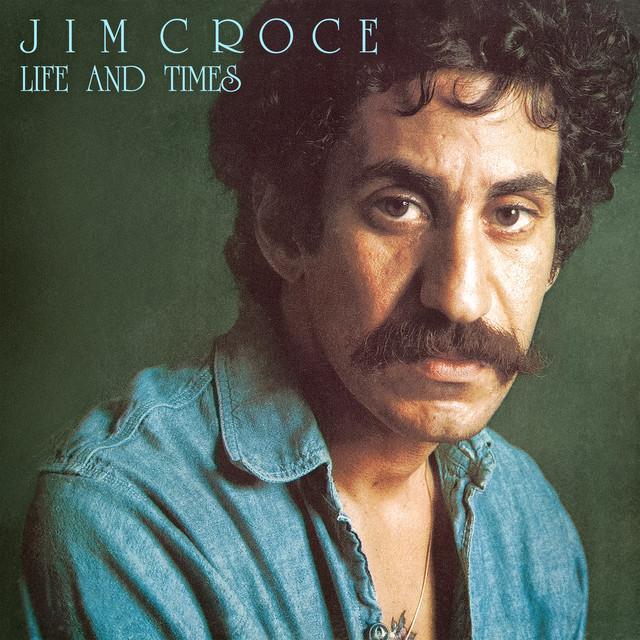
Released in 1973 and written by Jim Croce, the song became one of Croce’s biggest hits, reaching No. 1 on the Billboard Hot 100. It appeared on the album Life and Times. Those facts are well documented in major music reference sources and chart archives.
A Barroom Myth With a Punchline
At first, the song builds Leroy like a giant. The opening places him on the South Side of Chicago and warns listeners to beware. That setup makes him sound bigger than life before they even know much about him.
Croce then piles on details that turn Leroy into a walking legend: sharp clothes, expensive cars, jewelry, gambling, and hidden weapons. The chorus repeats that he is bad, bad Leroy Brown
and compares him to huge, almost cartoonish figures like old King Kong
and a junkyard dog
. Those phrases are exaggerated on purpose. They make Leroy feel less like a real man and more like a folk character people talk about after midnight.
Interpretation: The song is not just saying Leroy is dangerous. It is showing how communities create myths around dangerous men, often making them sound unstoppable.

Watch the official Bad, Bad Leroy Brown
music video
How the Story Moves From Power to Consequence
The plot is simple, which is part of why it works so well. In order, the song does four things:
- It introduces Leroy as the toughest man around.
- It shows his flashy habits and public arrogance.
- It puts him in a bar, where he notices Doris.
- It reveals that Doris is connected to a jealous husband, and Leroy gets beaten badly.
That final turn matters most. Leroy has spent the whole song acting as if no rules apply to him. The lyric about messin' with the wife
of a jealous man shows the exact moment his confidence becomes foolishness.
The ending is not tragic in a heavy way. It is comic. When the fight is over, Leroy is described in a battered, almost slapstick image. That choice keeps the song in tall-tale territory instead of turning it into a grim crime ballad.
What the Chorus Really Means
The chorus works like a rumor repeated until everyone believes it. Each time listeners hear that Leroy is the baddest man in town, the claim gets bigger. But the song’s ending makes that repeated praise sound unstable.
In other words, the hook is ironic. The more the chorus insists on Leroy’s greatness, the more satisfying the reversal becomes. The song uses repetition to set up a joke with a moral edge.
Interpretation: Croce seems less interested in glorifying violence than in exposing the weakness inside macho posturing. Leroy is powerful only until he meets a situation his reputation cannot control.
The Character Details That Matter Most
Several images carry the song’s themes:
Clothes, Cars, and Rings
Leroy’s style is all display. Fancy items tell the room that he wants to be seen. He does not just have power; he performs it. That makes his image central to the song’s meaning.
Gambling and Weapons
These details suggest risk, volatility, and constant threat. Leroy lives like someone who expects conflict and enjoys the attention that comes with it.
Doris and the Jealous Man
Doris is less a full character than a trigger for the plot. Her presence reveals Leroy’s weakness: he mistakes fear for invincibility.
Why the Music Sounds So Cheerful
A big reason the song remains popular is that its sound is catchy and playful. Croce recorded it in a lively singer-songwriter style with strong piano, an easy swing, and a sing-along chorus. That bright arrangement creates distance from the violence in the story.
Instead of sounding bleak, the record feels like a crowd favorite in a neighborhood bar. Croce’s delivery is relaxed and amused, which signals that they are telling a story with a wink. The groove almost invites listeners to laugh at Leroy’s overconfidence.
That contrast is key. If the same story were sung slowly or darkly, it might feel cruel. Here, the bounce of the music makes the ending feel like a comeuppance, not a tragedy.
Jim Croce’s Storytelling Gift
Croce was known for writing vivid, economical songs that felt cinematic. In hits like this one, they could sketch a whole world in a few lines: a neighborhood, a bar, a type of man, and the social rules around him.
That skill explains why the song has lasted. Even listeners who have never lived in Chicago or stepped into a smoky tavern understand the type immediately. Leroy is the guy who thinks being feared is the same as being respected.
The Lasting Meaning of Bad, Bad Leroy Brown Jim Croce
So what is the meaning of Bad, Bad Leroy Brown Jim Croce? At heart, it is a humorous warning about ego. Leroy builds his identity on intimidation, but one bad choice exposes the gap between legend and reality.
The song also says something larger about public image. A person can look untouchable, dress the part, and own the room, yet still fall in an instant. That is why the track remains fun and memorable: it wraps a real truth inside a catchy story.
Interpretation disclaimer: This reading separates documented facts about the song from informed interpretation. As with many story songs, listeners may hear different shades of humor, satire, or sympathy in Leroy’s rise and fall.








