Why Jim Croce Says Love Best in Song
For many listeners, the meaning of I'll Have To Say I Love You In A Song Jim Croce comes down to one simple idea: some feelings are easier to sing than to speak. That is what gives the track its lasting charm. It is not built on grand drama. Instead, it lives in a familiar human moment, when love is real but language fails.
"I'll Have To Say I Love You In A Song" - Jim Croce
I hope I didn't wake you
But what I've got to say can't wait
Loading lyrics...
Unable to load lyrics
We're unable to display the lyrics at this time. Please try again later.
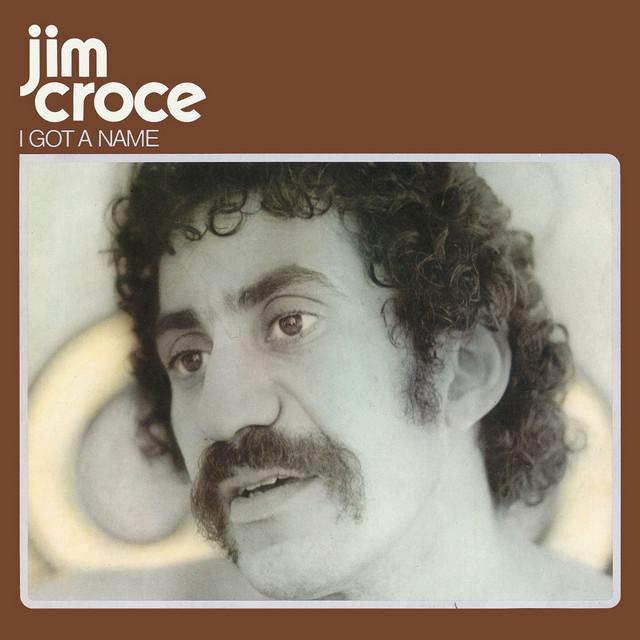
Jim Croce recorded the song for the posthumous album I Got a Name, released in 1973 after his death, a fact documented by his official site and AllMusic. That context adds extra tenderness, but the song’s core meaning stands on its own: a shy confession, delivered through art because ordinary conversation keeps breaking down.
A Love Song About Not Finding the Words
At the center of the song is a narrator who reaches out late at night because the feeling can no longer stay hidden. They know the timing is awkward, and they even worry they may have disturbed the other person. That small detail matters. It shows care, nervousness, and urgency all at once.
The key emotional problem appears in phrases like kind of late
and the words just came out wrong
. The song keeps returning to that failure of speech. They are not confused about what they feel. They are only unable to say it cleanly in person.
Interpretation: This makes the song less about romance in the abstract and more about vulnerability. It captures the panic of being emotionally honest with someone who matters.
Watch the official I'll Have To Say I Love You In A Song
music video
Who They Are Singing To
The listener can hear a direct address to a lover or partner, someone close enough to understand the narrator’s awkwardness. The repeated idea that you'd understand
suggests trust already exists. This is not a stranger; it is someone who knows their patterns and silences.
That detail softens the song. Instead of sounding desperate, it sounds intimate. They believe the other person will see past the clumsy delivery and hear the feeling underneath.
The Small Story Inside the Lyrics
The song unfolds in a very clear sequence:
- They call or reach out at an inconvenient hour.
- They admit speaking face to face has gone badly before.
- They reveal that music is the only form that works.
- They finally say what they mean through the song itself.
That structure is elegant because the track becomes the confession it describes. When they sing I love you
and in a song
, the audience is hearing the solution happen in real time.
Every time the time was right
All the words just came out wrong
Those lines sum up the emotional trap. Even the perfect moment fails when nerves take over.
Why the Chorus Lands So Hard
The chorus is memorable because it turns a weakness into a creative act. The narrator does not suddenly become smooth or brave in a traditional sense. They stay awkward. What changes is the method.
That is why the hook feels so warm rather than tragic. They are not giving up on communication. They are adapting. In effect, the song says: if speech fails, art can carry the truth.
Interpretation: This is also why so many songwriters and listeners connect with it. It suggests music is not just entertainment. It can be a more honest language.
Sound, Style, and the Gentle Delivery
Musically, the song fits Croce’s singer-songwriter style, with an easygoing arrangement that keeps the focus on melody and plain speech. Sources such as AllMusic and Discogs place it within the warm, acoustic-leaning pop and singer-songwriter world that defined much of his catalog.
The performance matters to the meaning. Nothing in the arrangement pushes too hard. The soft rhythm, approachable melody, and relaxed vocal make the confession feel believable. If the music were bigger or more dramatic, the song could sound theatrical. Instead, it sounds like a real person trying to say one difficult thing.
Croce’s delivery is especially important. He does not oversing the message. That restraint mirrors the narrator’s personality: affectionate, hesitant, and sincere.
Artist Context Makes the Song Even Richer
Croce built much of his reputation on turning ordinary speech into vivid songs. Tracks like “Operator” and “Time in a Bottle” also show his gift for making private emotions feel conversational and direct, a pattern discussed in biographies and retrospectives from Britannica and the Songwriters Hall of Fame. This song belongs to that tradition.
It also reflects a larger truth about Croce’s writing: he often made everyday situations feel quietly profound. Here, there is no elaborate imagery and no twist ending. Just a person admitting that speech fails them when love matters most.
A Second Reading: A Song About Songwriting
There is also another valid way to hear it.
Interpretation: Beyond being a love song, it can be read as a statement about songwriting itself. The narrator is not only confessing love. They are showing why songs exist. Music becomes the place where emotion gets organized, shaped, and finally spoken clearly.
That reading helps explain the song’s lasting appeal. Many listeners know the feeling of being smarter, braver, or more honest on the page than in conversation.
Why It Still Feels So Human
The reason the song endures is its simplicity. Nearly everyone has had a moment when their thoughts were clear in private but tangled in person. Croce captures that emotional gap with unusual kindness.
So, the meaning of I'll Have To Say I Love You In A Song Jim Croce is not hidden or complicated. It is about love, yes, but even more about the awkward path love sometimes takes before it can be heard. The song says that imperfect people still find ways to tell the truth.
Disclaimer: This interpretation blends widely known facts about the recording and artist with close reading of the lyrics. Meaning can vary from listener to listener.








