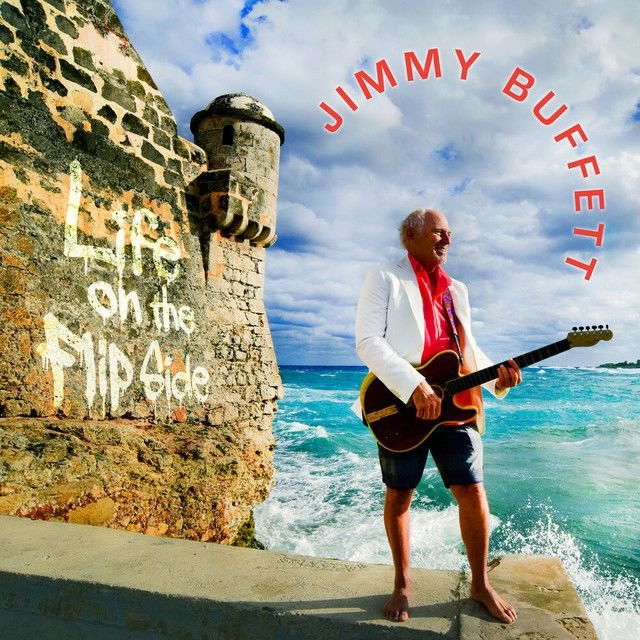
Down at the Lah De Dah by Jimmy Buffett
A beach bar that stands for more than a place
The meaning of Down at the Lah De Dah Jimmy Buffett starts with a simple idea: they present paradise as a state of mind, not just a location. The song builds a small world where stress drops away, time slows down, and people remember how to enjoy being alive.
"Down at the Lah De Dah" - Jimmy Buffett
Not a tv set, not a radio
Just an old guitar when the sun sinks low
Loading lyrics...
Unable to load lyrics
We're unable to display the lyrics at this time. Please try again later.
That is very much in Buffett's larger artistic lane. Across decades, they often sang about coastal escape, simple pleasures, and people trying to step outside ordinary pressure. In this song, the made-up-sounding spot called lah de dah
works like a dream version of every easygoing bar, beach, and hideaway in the Buffett universe.

Watch the official Down at the Lah De Dah
music video
The real story: escape from modern noise
On the surface, the song describes a relaxed gathering place on the sand. There is no media clutter, just nature, music, drinks, and company. Early images like warm wind blows
and old guitar
set that tone fast. They suggest a life stripped down to the essentials.
The key contrast is between that setting and the daily grind. Later, the lyric jumps back to work life, especially the routine of a 9 to 5
and a rainy commute. That move reveals the song's deeper point. This is not just travel writing. It is about what people lose in ordinary life and what vacation, music, or friendship can briefly give back.
Interpretation: the line about remembering when they were last alive suggests that the beach bar is a place of emotional recovery. It restores feeling, presence, and gratitude.
How the verses build a little paradise
Each verse adds one more layer to the fantasy. First comes the physical setting: sand, wind, sunset. Then comes community. The place welcomes lonely people who need company, and it also welcomes romance. That makes the bar feel open, not exclusive.
The chorus then expands the image. The song calls it a sea of dreams
, which turns the setting into something almost mythical. It is still a beach hangout, but it also becomes a symbol for the life many listeners wish they had more often: freer, kinder, less rushed.
One of the smartest details is that the pleasures are modest. A drink in a jar, seabirds overhead, a guitar at dusk. Buffett and his co-writers do not describe luxury. They describe ease. That choice matters because it makes the paradise feel reachable, at least in memory.
Why the chorus matters so much
The chorus is catchy, but it also carries the song's meaning. By repeating the place name and leaning on nonsense syllables, the song creates a childlike feeling of release. It does not argue for escape in a serious way. It sings it into being.
At the end of the world
We all know just how lucky we are
These short lines sum up the emotional center. The place feels remote, almost outside normal life, yet the real payoff is not isolation. It is gratitude. They are not escaping because the world is evil. They are stepping away long enough to remember what matters.
Sound, groove, and Buffett's signature mood
Musically, the song supports that meaning with a loose, breezy feel. The melody is easy to sing, and the repeated lah, lah, lah
hook lowers the stakes. Listeners do not need to decode anything complicated. They are invited to drift with it.
That matters in a Buffett song. Their catalog, documented on the official Jimmy Buffett site, often blends Gulf-and-Caribbean flavors, singalong choruses, and storytelling. Here, the likely arrangement choices listeners hear—gentle rhythm, bright acoustic textures, bar-band warmth—help the song feel communal rather than private.
Interpretation: the hook's simplicity mirrors the song's message. To feel alive again, people may need less information, less speed, and less performance. A tune anyone can join becomes part of the point.
Writers, context, and what they add
The song was written by Paul Brady and Ralph Murphy, two experienced songwriters with strong storytelling instincts. Their craft shows in how quickly the lyric sketches a full atmosphere. The setting is specific enough to feel real, but broad enough to become symbolic.
Buffett's role as performer is just as important. Their public image, shaped through albums, tours, and the wider Margaritaville brand, gives the song extra context. When they sing about a perfect drink, a sunset, and lucky people by the water, listeners bring a whole cultural story with them. That story is about escape, yes, but also ritual. Buffett songs often function like temporary vacations people can revisit anytime.
Two strong readings of the song
Reading one: a literal island hangout
The most direct reading is simple. They are singing about a beachside bar where people gather, flirt, drink, and forget their troubles for a while. Details like the band, another round, and tall tales about mermaids support that playful reading.
Reading two: a memory people carry home
A deeper reading sees the bar as a mental refuge. The song says the place returns during bad workdays and gray mornings. In that sense, Lah De Dah is portable. It lives in memory, imagination, and songs people replay when normal life feels too narrow.
Both readings fit, and the song works because it never forces a choice.
Why it still lands
For many listeners, the meaning of Down at the Lah De Dah Jimmy Buffett is not complicated: life feels better when people unplug, gather, laugh, and notice their luck. But the song lasts because it also knows those moments are fragile. They end. Work returns. Rain falls.
That is exactly why the song's easygoing mood matters. It does not deny real life. It offers a humane answer to it.
Final takeaway by the shoreline
"Down at the Lah De Dah" is about escape, but not empty escape. It is about recovering joy, community, and perspective in a noisy world. Buffett turns a beach bar into a symbol of emotional survival.
Disclaimer: This interpretation is based on the lyrics, performance, and known artist context. Song meaning can vary from listener to listener.








