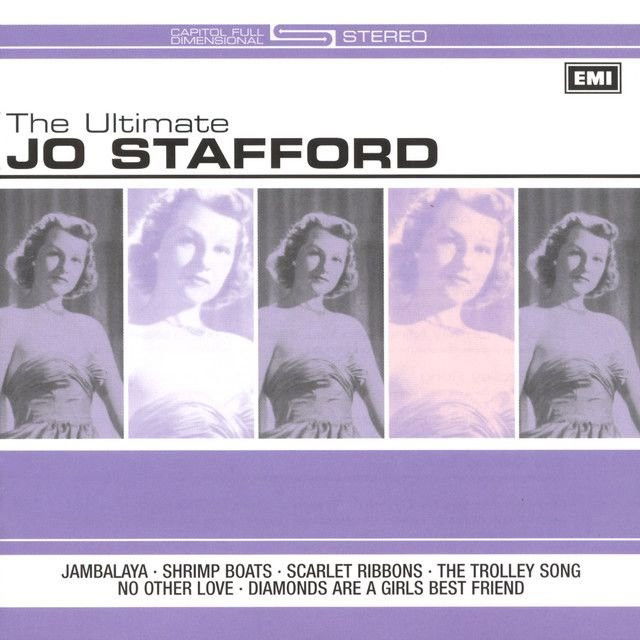
Red River Valley by Jo Stafford
The meaning of Red River Valley Jo Stafford comes down to one powerful feeling: the pain of watching someone leave while trying to hold on to love, memory, and place. In this version of the old folk standard, the singer does not argue loudly or blame anyone. Instead, they speak with softness and restraint, which makes the sadness feel even deeper.
"Red River Valley" - Jo Stafford
We will miss your bright eyes and sweet smile
For they say you are taking the sunshine
Loading lyrics...
Unable to load lyrics
We're unable to display the lyrics at this time. Please try again later.
Jo Stafford was known for her pure tone and calm delivery, and that matters here. Her career was built on vocal clarity and traditional pop phrasing, as noted by the Encyclopaedia Britannica. In a song like this, that style helps the heartbreak feel sincere rather than theatrical.
A Farewell Song Rooted in Memory
At its core, the song is a goodbye. One person is leaving the valley, and the speaker is left behind. The lyrics frame that departure as both personal and symbolic. It is not just a move from one place to another. It feels like the loss of warmth, light, and emotional security.
That idea appears early when the departing person is linked to brightness and comfort. The reference to bright eyes
and a sweet smile
does more than describe appearance. It shows how the speaker has built an emotional world around this person.
When the song says the traveler is taking the sunshine, it turns grief into an image anyone can understand. The valley is not literally going dark. Interpretation: the speaker feels that joy itself is leaving with the loved one.

Watch the official Red River Valley
music video
Who Is Speaking, and Why It Hurts
The narrator sounds like someone making one last appeal. They ask the other person to stay a little longer, to sit beside them, and not rush the goodbye. This gives the song its emotional shape: it is not a dramatic breakup scene, but a quiet final moment before separation.
The key plea is simple. They ask the departing person to remember the Red River Valley
. That request blends romance with geography. The loved one is being asked to remember both a person and a place, as if the two cannot be separated.
Come and sit by my sideDo not hasten to bid me adieu
This brief passage captures the song’s whole emotional strategy. The speaker does not demand forever. They ask for time, attention, and remembrance. That modest request makes the sadness feel real.
How the Verses Build the Theme
Each verse adds another layer to the same central loss:
- First, the singer announces the departure.
- Next, they explain what that departure means emotionally.
- Then, they ask to be remembered.
- Finally, they bless the traveler on the journey ahead.
That last part is important. The speaker mentions a future home by the ocean
, which suggests distance and a new life. But there is no bitterness in the wish. The singer hopes the traveler will not forget the hours they shared and the love they knew.
This generosity gives the song dignity. The narrator is heartbroken, but they still want the other person to carry something good from the relationship.
The Valley as More Than a Place
In folk songs, landscapes often hold emotion, and that is true here. The valley is memory, innocence, and shared time. It stands for a world where love once felt safe.
The line about mid the flowers
adds to that mood. Nature in this song is gentle and idealized. Flowers, sunshine, and the valley itself create a setting that feels almost dreamlike. The result is that leaving becomes more than travel. It becomes a fall from tenderness into absence.
Interpretation: the valley may also represent a past that cannot be recovered. Even if the traveler remembers it, they cannot fully return to that exact emotional moment.
Why Jo Stafford’s Version Lands So Gently
Many singers have recorded “Red River Valley,” because it is an old North American folk standard with a long and debated history. The Library of Congress documents how widely the song circulated in American music culture. What makes Stafford’s take stand out is its controlled warmth.
Her singing avoids melodrama. She does not over-stretch lines or push for tears. Instead, the arrangement and vocal phrasing let the melody do the work. That matters because the song itself is already emotionally direct.
Production and instrumentation
Stafford’s recordings often used smooth, traditional orchestration, and that polished setting changes how a folk song feels. Rather than sounding rough or communal, her version tends to sound intimate and refined. The likely effect is a softer heartbreak: less campfire lament, more private reflection.
The slow tempo helps too. A slower pace gives each thought room to settle. Listeners hear not just sorrow, but acceptance growing alongside it.
Alternate Readings of the Song
There is a basic reading and a more layered one.
Most likely reading: this is a love song about someone leaving, with the speaker asking to be remembered.
Interpretation: it can also be heard as a song about home itself. The person leaving may represent social change, migration, or the simple fact that people move on while places stay behind.
That second reading helps explain why the song has lasted so long. Even listeners who have never stood in the Red River Valley can understand the feeling of wanting someone to remember where they came from.
Why the Song Still Connects
The meaning of Red River Valley Jo Stafford lasts because it is plainspoken and emotionally exact. It captures a universal moment: loving someone enough to let them go, but still hoping they will carry the memory with them.
Jo Stafford’s voice makes that feeling feel trustworthy. She sounds calm, but never cold. In her hands, the song becomes less about grand tragedy and more about the ache of being left with memory, place, and silence.
That balance is why the song still reaches people. It understands that some of the deepest heartbreak lives in polite words, small requests, and the hope that love will not be forgotten.
Disclaimer: This interpretation is based on the lyrics, historical context, and Jo Stafford’s recorded style. As with many folk standards, some meanings remain open to listener interpretation.








