Why ‘Down to Zero’ Hits So Hard
The meaning of Down to Zero Joan Armatrading comes down to a sharp emotional fall. The song captures the moment when someone feels desired, stylish, and secure, only to be suddenly humbled by love. In Joan Armatrading’s hands, that basic idea becomes more than a breakup song. It becomes a study of pride, jealousy, and the way romance can cut through a person’s self-image.
"Down to Zero" - Joan Armatrading
When you're reeling
You step lightly thinking you're number one
Loading lyrics...
Unable to load lyrics
We're unable to display the lyrics at this time. Please try again later.
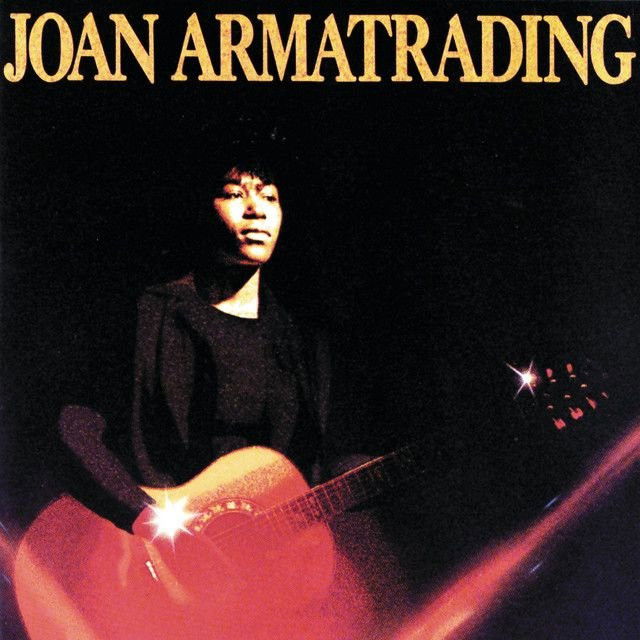
Armatrading released “Down to Zero” in 1979 on How Cruel, a four-track EP often noted for blending her singer-songwriter depth with a sleeker late-1970s rock-pop sound. Her broader catalog and career history are well documented by sources such as Britannica and the Rock & Roll Hall of Fame. The song is also officially credited to Joan Armatrading and Pam Nestor, reflecting an early songwriting connection in Armatrading’s career.
A Love Song About Ego Getting Crushed
At the center of the song is a warning. The person being addressed seems to move through the world with total confidence, almost floating above everyone else. The opening image suggests emotional swagger, and the line number one
captures that mood in just two words.
Then comes the reversal. With almost no buildup, that confidence disappears. The phrase down to zero
is not just about sadness. It suggests being stripped of status, charm, and certainty all at once.
Interpretation: Armatrading appears to be describing the emotional math of romance. One minute a person feels chosen; the next, they feel erased. The song’s power comes from how fast that change happens.
Watch the official Down to Zero
music video
The Story Moves Like a Sudden Fall
The lyrics unfold in a clear sequence, and each step adds to the emotional lesson:
- A person feels admired and untouchable.
- A rival appears and steals attention.
- Jealousy sends the wounded person inward, comparing looks and worth.
- Memory and longing deepen the pain.
- The song ends with the possibility of returning for comfort.
That middle section is especially cutting. The arrival of a flashy rival, described as a scene stealer
, turns private insecurity into public humiliation. The hurt person rushes to the mirror, which suggests that romantic rejection quickly becomes self-doubt.
This is one reason the song still feels modern. It understands how heartbreak is rarely just about losing another person. It is also about losing the version of oneself that felt desirable and safe.
What the Refrain Really Means
The repeated drop down to the ground
gives the song its emotional shape. It sounds physical, almost like a fall after standing too tall. In plain terms, the chorus says that love brings people back to reality.
Interpretation: The refrain may also suggest emotional equality. No matter how glamorous, cool, or self-assured someone seems, heartbreak reminds them they are human. That idea gives the song both its sting and its empathy.
The title phrase is effective because it is simple. “Zero” is not poetic in a soft way; it is blunt. That bluntness matches the humiliation the song describes.
Memory, Desire, and the Trap of Romantic Thinking
Another key part of the meaning of Down to Zero Joan Armatrading is how memory keeps pain alive. The lyrics move from outer drama to inner suffering. Once the rival has taken over the scene, the song focuses on sleeplessness, tears, and the false hope that rest might bring relief.
Instead, the mind stays trapped in desire. The brief phrase dream of love instead
shows how heartbreak follows a person even into sleep. They cannot reason their way out of it.
There is also a striking line about mother’s only son
. In context, it seems to personalize the object of affection and make him feel precious, almost idealized. That detail matters because it shows how love can elevate ordinary people into symbols of loss.
How the Sound Carries the Message
Armatrading’s performance style is crucial here. She often sings with restraint rather than melodrama, which makes the emotion land harder. Instead of overselling the pain, she lets the groove and repetition do part of the work.
The production leans into late-1970s rock polish while keeping her voice at the center. The rhythm gives the song forward motion, but the repeated hook creates a feeling of being pulled back down again and again. That contrast mirrors the lyric: desire pushes forward, heartbreak pulls downward.
Interpretation: The arrangement makes the song feel less like a private diary entry and more like a public reckoning. The beat keeps moving, even while the emotional world collapses.
A Final Twist: Warning or Invitation?
One of the song’s most interesting turns comes near the end, when the speaker says the wounded person can fall at my door
. That changes the tone.
On one level, it sounds comforting. The speaker may be offering refuge after disappointment. On another, it carries a trace of judgment, as if they expected this downfall all along.
That ambiguity is part of what makes the song rich. The speaker is not simply a bystander. They may be a confidant, a former lover, or someone who understands the pattern better than the person trapped inside it.
Why the Song Endures
The lasting appeal of “Down to Zero” lies in how clearly it names an ugly but common feeling: the collapse from romantic pride into vulnerability. The song is stylish, but it is never shallow. It sees heartbreak not just as sorrow, but as a blow to identity.
For listeners asking about the meaning of Down to Zero Joan Armatrading, the answer is that the song is about being emotionally reduced by love—and about the hard truth that confidence can vanish with a single shift in attention. Armatrading turns that fall into something memorable because they pair emotional insight with a crisp, driving sound.
Disclaimer: This interpretation is based on the lyrics, recording context, and commonly discussed themes in Joan Armatrading’s work. As with any song, meanings can vary from listener to listener.









