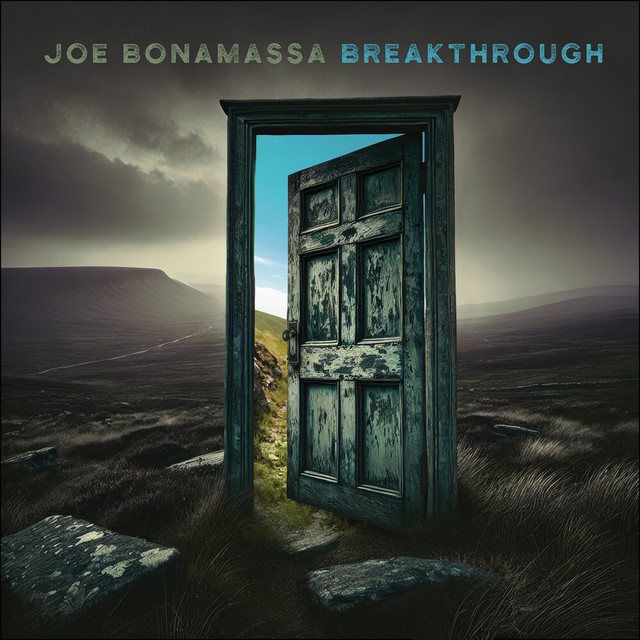
Breakthrough by Joe Bonamassa
A blues-rock song about rebuilding after hurt
The meaning of Breakthrough Joe Bonamassa centers on emotional recovery. At its core, the song is about someone trying to push through heartbreak, confusion, and isolation until they reach a better state of mind. It does not present healing as soft or easy. Instead, it imagines recovery as physical labor, something built with force, patience, and will.
"Breakthrough" - Joe Bonamassa
Gonna take me a hammer, knock down the walls
Every stone I chip away, I think of you
Loading lyrics...
Unable to load lyrics
We're unable to display the lyrics at this time. Please try again later.
That idea appears right away in the chorus. The singer says they are headed for a breakthrough
, then links that hope to action: knock down the walls
. In plain terms, they are not waiting to feel better by accident. They are trying to tear down the mental barriers that keep them stuck in grief.
This is a good fit for Bonamassa’s style. He works in a blues tradition that often turns private pain into motion, groove, and release. According to his official artist bio, Bonamassa has long blended classic blues feeling with modern rock power. That mix matters here because the song’s message is not just sadness. It is struggle turning into momentum.
The story moves from abandonment to resolve
The verses show the emotional damage
The verses sketch a speaker who has been hurt by a woman who seems absent, unreliable, or gone for good. They feel worn down and alone. Images of nighttime streets, steam rising from drains, and an empty bed create a city-blues atmosphere. These details make the loneliness feel physical rather than abstract.
One of the song’s sharpest ideas is that clarity can hurt as much as confusion. When the singer says their eyes are weary and they see things clearly, the point is not peace. It is the bitter moment when denial ends. They understand the relationship for what it was, and that truth leaves them facing the full weight of the loss.
Later, the song becomes more direct about betrayal. The trust is gone, and the pain feels extreme, even punishing. The lines about being abandoned and left empty dramatize heartbreak in blues language. They are not literal crime-report details so much as emotional exaggeration, a way of showing just how damaging the breakup felt.
The chorus answers the pain with effort
The chorus is where the song transforms. Instead of circling the same wound, it gives the speaker a goal. The repeated image of taking a hammer and breaking walls suggests that healing requires force. It is not elegant. It is loud, tiring, and messy.
The line every stone I chip away
deepens that metaphor. Recovery happens piece by piece. Even more interesting, the singer still thinks of the former partner while doing this work. That means the breakthrough is not forgetting instantly. It is surviving the memory long enough to weaken its hold.
When your trust is gone
left for dead
the blues can pull a person down
and leave them empty
This brief moment captures the song’s emotional logic: betrayal causes collapse, but naming that collapse is the first step toward climbing out.
Why the “breakthrough” matters so much
A breakthrough is more than getting over an ex. In this song, it sounds like a mental and spiritual shift. The singer begins trapped in solitude, but the refrain points toward vision and release. When they say I see it all
, that can mean two things at once.
Interpretation: First, it suggests sudden understanding. They finally see the relationship clearly, including its damage and its limits. Second, it suggests they can imagine life after the pain. The breakthrough is both insight and escape.
That double meaning makes the chorus strong. It is hopeful, but not naive. The song admits that heartbreak lingers. The repeated closing idea, get me over you
, sounds less like a boast than a promise they are trying to believe. In other words, they are singing themselves toward recovery.
How the music carries the meaning
Bonamassa’s performance helps sell that struggle-to-release arc. The song leans on a sturdy blues-rock foundation: driving drums, thick guitar tone, and a vocal style that balances grit with control. Those elements make the emotional message feel active rather than defeated.
The riff-based energy mirrors the lyric’s hammer-and-stone imagery. Instead of floating in sorrow, the arrangement keeps pushing forward. That matters because the words describe pain, but the band sounds determined. The result is a classic blues-rock tension: the subject is heartbreak, yet the sound insists on survival.
Songwriting credit is given to Joseph L. Bonamassa and Tom Hambridge, a frequent collaborator known for shaping concise, hard-hitting blues-rock songs. Bonamassa’s album page places this track within a catalog that often revisits loneliness, resilience, and hard-earned perspective. That context supports the idea that “Breakthrough” is part of a larger artistic habit: turning setbacks into forceful music.
A few strong symbols inside the lyric
Several recurring images hold the song together:
- Walls and stones: emotional defenses, grief, and the hard work of dismantling both.
- Night streets and steam: disorientation, isolation, and a classic urban blues mood.
- Empty bed: the plain fact of absence after intimacy.
- Hammer: determination, agency, and even anger used productively.
Interpretation: The hammer may also suggest art itself. Singing, playing, and writing become the tools that break the wall of heartbreak. That reading fits Bonamassa especially well, since blues music often turns suffering into expression.
Final take on the song’s message
The meaning of Breakthrough Joe Bonamassa is about fighting through emotional ruin until pain becomes motion and motion becomes freedom. The singer starts exhausted and wounded, but the chorus refuses to stay there. It imagines healing as demolition: tear down the old walls, chip away at the past, and keep going until the mind opens up again.
That is why the song lands. It understands that heartbreak can feel heavy, lonely, and humiliating. But it also argues that recovery is possible, not by magic, but by effort.
Disclaimer: This interpretation is based on the released lyrics, performance, and available artist context. As with most songs, listeners may hear different meanings in the same lines.







