
Why 'High Time We Went' Feels Like Last Call
For listeners searching for the meaning of High Time We Went Joe Cocker, the song lands fast: it sounds like a wild night that has gone on too long. But under that loose, rowdy surface, it also captures something more uneasy. Joe Cocker and Chris Stainton turn a simple repeated line into a portrait of exhaustion, pressure, and the need to leave before the night swallows the person in it.
"High Time We Went" - Joe Cocker
Feel just like the end of a mule
Somebody's been yawning
Loading lyrics...
Unable to load lyrics
We're unable to display the lyrics at this time. Please try again later.
Released as a single in 1971, the track reached No. 22 on the U.S. Billboard Hot 100 and only later appeared on Cocker's 1972 self-titled album. That places it in the period after the huge Mad Dogs & Englishmen era, when Cocker's American profile was strong but his personal life was increasingly chaotic. Those facts matter because the song's messy, late-night mood fits that chapter of his career.
A Song About Leaving, Even If They Cannot Quite Leave
At the most basic level, the song is about someone moving through the late and early hours of the morning while feeling worn down, overstimulated, and trapped in the same scene. Each verse counts through the hours, creating the sense of time passing without real progress. The hook keeps returning to high time we went
, which sounds casual at first, almost like friends deciding to head home. But repeated over and over, it starts to feel desperate.
Interpretation: the song is less about one destination than about escape itself. They do not just want to go somewhere else. They want out of the noise, confusion, and repetition.
That is why the lyric's clock imagery matters so much. The night keeps moving, but the narrator does not really move with it. They are still caught in the same emotional place.
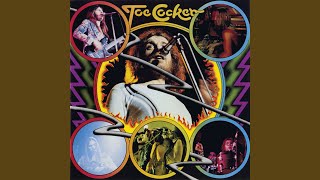
Watch the official High Time We Went
music video
The Timeline Tells the Story of a Frayed Mind
One clever feature is the countdown structure. The verses move from five in the morning down toward midnight, but the song does not feel orderly. Instead, it feels blurred, as if memory is being replayed out of sequence.
That confusion matches the words. In one moment, somebody is yawning. In another, somebody is shouting. Elsewhere, the singer is trying to find a brand new day
. These details suggest a person surrounded by voices, demands, and distractions, yet still feeling alone inside them.
Two o'clock and I'm rollingEverywhere I look is the same
This short passage may be the clearest clue to the song's emotional center. The movement in I'm rolling
sounds active, but the next line undercuts it. Nothing changes. Everything looks the same. The night becomes a loop.
The Chorus Turns a Party Phrase Into a Cry for Release
The chorus is the whole engine of the song. In everyday speech, saying it is time to go can be light and social. Cocker's performance changes that. Each return to the hook adds strain, urgency, and even humor that feels close to collapse.
That is part of what makes the meaning of High Time We Went Joe Cocker so memorable. The line can be heard in at least two ways:
- It is literally the end of a night out.
- It is emotionally the end of patience, energy, or denial.
Interpretation: because the words are so simple, listeners can place their own experience inside them. It can be about leaving a bar, leaving a bad scene, or leaving a self-destructive cycle.
Small Images, Big Themes
The song uses odd, passing details rather than a neat plot. Someone is shouting the news
. Another voice says not to forget the lemon and lime
. There are preachers, blame, a stage, and the repeated sense of being pushed from all sides.
These images matter because they build a world of clutter and overload. The narrator hears everyone else, but no one seems to truly hear them. Even the comic detail about a drink garnish adds to the feeling that the room is full of trivia while something deeper is going wrong.
The main themes are:
- exhaustion after excess
- social chaos and alienation
- the wish for renewal
- time slipping away
When the lyric mentions a brand new day
, it hints at hope. But that hope is fragile. Morning is coming, yet the song never promises peace.
Why the Sound Sells the Meaning
Cocker was known for a gritty, blues-heavy voice and highly physical delivery, qualities widely noted in career overviews of his work. Here, that roughness is central to the song's meaning. He does not sing the hook like a polished pop singer trying to sound cool. He attacks it like someone half-laughing, half-breaking.
The arrangement also helps. The song sits in a rootsy rock groove with boogie energy, bar-band piano, and a pushy rhythm section. Chris Stainton's co-writing matters here too: he was a key musical partner from Cocker's early bands and Grease Band days, and this track carries that lived-in, road-tested feel.
Instead of offering a dreamy hangover ballad, the production stays mobile and noisy. That choice keeps the listener inside the scene. The song does not stand outside the mess to explain it. It throws them into it.
Artist Context Sharpens the Reading
Factually, the song arrived after the demanding Mad Dogs & Englishmen period, a time that raised Cocker's U.S. profile and also came before some well-documented struggles in the 1970s. That does not prove the lyric is autobiographical. Still, the context makes its restless tone feel especially believable.
Interpretation: even if listeners avoid reading the song as literal self-portrait, it reflects the burnout that can follow constant touring, nightlife, and public performance. References to blame, crowds, and the stage all fit that world.
The Lasting Meaning of the Song
What keeps the song alive is its mix of humor and distress. It is catchy enough to sound like a good-time rocker, yet the deeper feeling is weariness. The repeated call to leave becomes a universal line for anyone who has stayed too long in a room, a relationship, or a version of themselves.
In the end, the meaning of High Time We Went Joe Cocker is not hidden behind complex poetry. Its power comes from repetition, performance, and mood. It is a song about reaching the breaking point and knowing, however vaguely, that it is time to move on.
Disclaimer: This article offers a good-faith interpretation based on the released recording, known career context, and lyric details. Song meanings can remain open, and different listeners may hear them differently.








