Why “Hitchcock Railway” Feels Like a Spiritual Escape
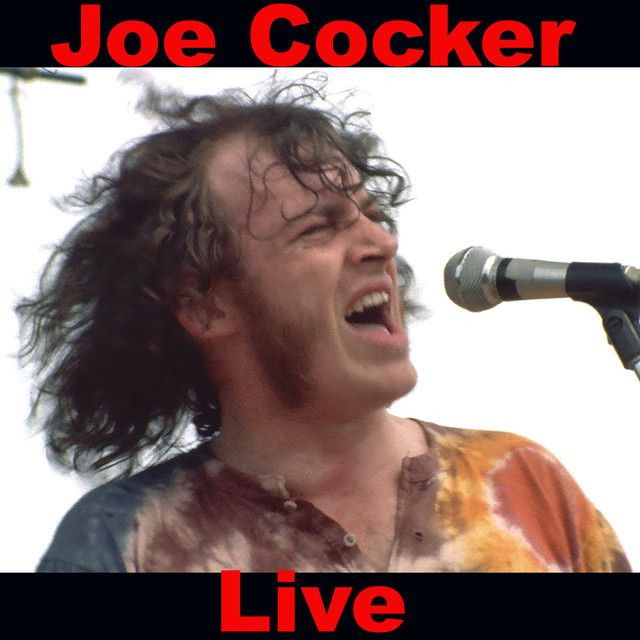
Joe Cocker’s recording of “Hitchcock Railway” sounds like movement from the first beat: urgent, earthy, and full of emotional push. For listeners searching for the meaning of Hitchcock Railway Joe Cocker, the song works on two levels at once. On the surface, it is about trains, tickets, stations, and the pull of travel. Underneath, it feels like a song about trying to leave pain behind and reach some kind of inner freedom.
"Hitchcock Railway" - Joe Cocker
One round trip the other way
Oh, I get the feelin' when forever calls
Loading lyrics...
Unable to load lyrics
We're unable to display the lyrics at this time. Please try again later.
The song was written by Donald “Duck” Dunn and Tony McCashen, and Cocker recorded it during the early 1970s period when his work often blended rock, soul, and gospel feeling. That mix matters, because the song’s meaning is not only in the words. It is also in the way Cocker sings them—with strain, grit, and hope.
The Train Is More Than a Train
At the center of the lyric is a repeated image: the railway as a path out. The narrator talks about tickets, routes, timing, and a ride back home. In plain terms, they seem caught between arrival and departure, between Los Angeles and somewhere safer or more true.
Interpretation: the train is likely a symbol, not just transportation. When the song mentions two train tickets into L.A.
and then one round trip the other way
, it suggests split desire. One part of them moves toward the city, ambition, or temptation; the other wants escape, retreat, or return.
That tension gives the song its emotional shape. It does not sound like a carefree travel song. It sounds like someone making a moral and emotional decision while already in motion.
Watch the official Hitchcock Railway
music video
A Story of Temptation, Fatigue, and Return
One useful way to read the lyric is as a short narrative:
- They enter a place of promise, possibly symbolized by Los Angeles.
- They feel the pressure of movement and destiny, as if life is pulling them forward.
- They search for a way back, or at least a safer road.
- They end by wanting home more than adventure.
That final turn matters. Near the close, the singer says they are going to take the safe way home
. Paraphrased, the character seems tired of risk. They no longer want the thrill of the ride as much as the peace of getting back intact.
Why “Hitchcock Railway” Sounds Almost Religious
The chorus pushes the song beyond travel imagery. When Cocker sings I’m gonna testify
, the language shifts toward church, witness, and public truth. That is a key clue to the meaning of Hitchcock Railway Joe Cocker.
Interpretation: the railway can be heard as a route to spiritual rescue. The line about the ride helping to lift my mind
points in that direction. Rather than simply getting from one city to another, the journey feels like a search for cleansing, relief, or rebirth.
This reading fits the song’s soul-gospel energy. Cocker often leaned into material that let him sound torn open emotionally, and here that style turns a simple travel metaphor into something closer to testimony. The train becomes a vehicle for salvation, or at least for temporary release from guilt and pressure.
The Strange Power of the Title Image
The phrase “Hitchcock Railway” is unusual, and that oddness adds mystery. The lyric never explains exactly what or where it is. Because of that, the title works more like a mythic place than a real rail line.
Interpretation: “Hitchcock Railway” may represent an imagined route out of trouble. Other details support that reading: guaranteed passport
suggests permission to cross boundaries, while references to conductors, state lines, and conviction hint at judgment and pursuit. In that sense, the railway is both escape path and final test.
There is also a nervous edge in phrases about not failing and needing to be ready. The route promises comfort, but it does not promise ease. Even rescue has urgency here.
How Joe Cocker’s Voice Sells the Meaning
Cocker’s performance is central to why the song lands. Facts about his career are well documented by the Rock & Roll Hall of Fame and major obituaries such as The New York Times, both of which note his rough, expressive delivery and his grounding in blues, rock, and soul.
That vocal style matters here. He does not sing the railway like a tourist attraction. He sounds like someone reaching for it. His voice cracks, pushes, and pleads, turning the song into a physical act of need.
The band helps too. The groove is steady but restless, with a locomotive pulse beneath the arrangement. The rhythm section gives the track a rolling momentum, while the gospel-soul feel makes the chorus sound communal, as if the speaker’s private crisis is becoming public truth.
Two Strong Readings of the Song
Reading One: Escape From a Broken Life
The most direct reading is that the song is about leaving behind chaos. Los Angeles can stand for pressure, excess, or disappointment. Home, by contrast, becomes the place of safety and emotional honesty.
In this version, the railway is the last reliable path when everything else feels unstable.
Reading Two: A Search for Redemption
A deeper reading hears the song as spiritual language in disguise. Testifying, lifting the mind, crossing lines, and finding passage all sound like images of redemption.
In that reading, the destination matters less than the transformation. The point is not just where they go. It is who they become by the time the ride ends.
The Lasting Meaning of “Hitchcock Railway”
What makes the song memorable is its balance of motion and doubt. It promises comfort, but it also trembles with fear. It points toward home, yet it never forgets the pull of the world left behind.
For most listeners, the meaning of Hitchcock Railway Joe Cocker comes down to this: it is a song about wanting a way out that also feels like a way back to the self. Through train imagery, gospel tension, and Cocker’s raw delivery, the track turns travel into a drama of survival, conscience, and hope.
Interpretation disclaimer: Song meaning is not always fixed, and this reading blends lyrical analysis with musical context rather than claiming a single confirmed intent.







