Why 'N'oubliez jamais' Still Speaks Across Generations
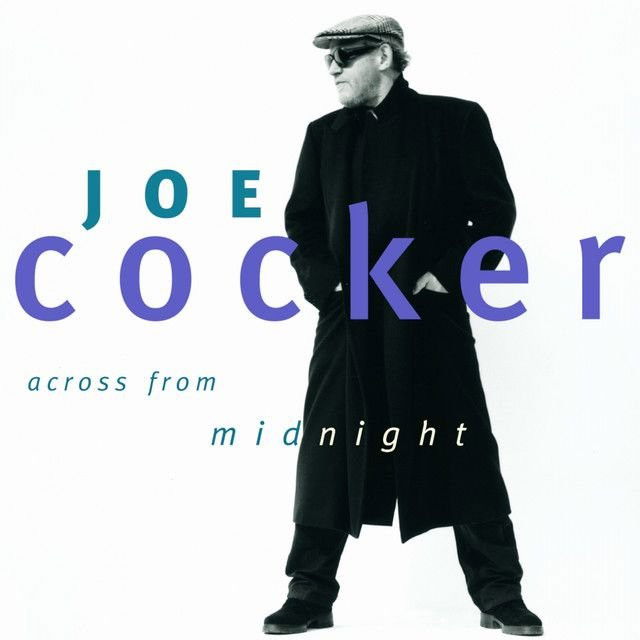
The meaning of N'oubliez jamais Joe Cocker comes into focus fast: this is a song about parents, children, rebellion, memory, and the strange way every generation repeats the one before it. The French title means “never forget,” a key clue to the whole track’s message. Songfacts identifies the song as part of Across from Midnight (1997) and credits Jim Cregan and Russ Kunkel as its writers, not Cocker himself, which matters because Cocker was famous for turning other people’s songs into something emotionally personal through performance.
"N'oubliez jamais" - Joe Cocker
Why do you sing with the melody?
'Cause down on the street something' goin' on
Loading lyrics...
Unable to load lyrics
We're unable to display the lyrics at this time. Please try again later.
Joe Cocker built a career on that gift. They were known for a rough, soulful voice and for making lyrics feel lived-in rather than simply sung. That quality shapes this song’s meaning as much as the words do.
A Family Argument That Turns Into Wisdom
At the start, the song frames a familiar scene. A younger voice questions the parents’ attachment to old music and old ways. The complaint is simple: why keep playing the past when there is a new sound in the street? The idea behind phrases like same old songs
and brand new beat
is not really about music alone. It is about the endless conflict between tradition and change.
Then the song flips the argument. The father answers with empathy instead of scolding. He admits that he also carried anger and once acted like a rebel. In other words, the older generation remembers being young. That shift is central to the meaning of the song: what feels new to the child often feels familiar to the parent.
Watch the official N'oubliez jamais
music video
The Chorus Turns Rebellion Into a Cycle
The chorus is the song’s big thesis. When it says Every generation has its way
and a need to disobey
, it argues that rebellion is not a failure of youth. It is part of growing up. The parents are not simply defending rules; they are saying that conflict with rules is almost built into human development.
Interpretation: this is why the refrain N'oubliez jamais
feels warmer than strict. It is not just “remember us.” It is also “remember that your struggle is not unique.” The song asks younger listeners to see themselves inside a longer family story.
That makes the chorus comforting and slightly ironic at the same time. Teenagers often think they are the first to push back. The song gently says they are not.
Mother, Father, and the Mirror Effect
The second verse brings in the mother, which broadens the theme. The father stands for past rebellion and hard-won experience. The mother adds romance, harmony, and emotional memory. Her section suggests that love, too, repeats across generations.
The song implies that one day the child who mocks old songs will have their own memories attached to them. That is why the advice becomes less about obedience and more about identity: make your own choices, sing your own song, but do not lose sight of where you come from.
It's in your destiny
A need to disagree
When rules get in the way
Those lines capture the song’s most direct idea. Disagreement is presented as natural, even necessary. But the phrase “never forget” adds a limit: freedom should not require erasing family, love, or history.
What the Song Is Really Saying About Love
There is also a second layer beneath the parent-child story. In the bridge, the lyrics question the chase for love or fame and briefly doubt easy answers. That moment adds tension. The song is not purely nostalgic. It knows adulthood brings confusion, compromise, and uncertainty.
Interpretation: because of that bridge, the song can also be heard as advice to anyone entering adult life. They may search for romance, success, or self-definition, but the old emotional truths remain. People still long to be seen, still resist control, and still circle back to the people who formed them.
This wider reading helps explain why the song connected with listeners beyond a family setting. It is about generational conflict, but also about how people inherit emotional patterns.
How Joe Cocker’s Voice Deepens the Meaning
Production matters here. Across from Midnight came late in Cocker’s long career, after decades in rock, blues, soul, and pop. According to standard album references, the record leaned into polished adult contemporary soul rather than raw bar-band grit. That smoother setting gives “N'oubliez jamais” a reflective feel instead of an angry one.
The arrangement supports the lyrics in three main ways:
- Steady rhythm: It suggests movement through time, like one generation following another.
- Warm backing vocals: They soften the argument and make the chorus sound communal.
- Cocker’s grainy delivery: It keeps the song from becoming too neat or sentimental.
That last point is crucial. A cleaner singer might make the message sound like a lecture. Cocker makes it sound earned. Their voice carries years in it, which fits a song about memory and lived experience.
Context Around the Song’s Release
Songfacts notes that the video features Catherine Deneuve, a detail that adds a touch of old-world elegance and matches the French title. The title itself gives the song a slightly cinematic feel, but its emotional core is plainspoken. Released on a 1997 album, it arrived at a time when Cocker was already an established interpreter with decades of credibility behind him.
That context shapes reception. Listeners were not hearing a young singer pretend to understand age. They were hearing an artist whose career had already crossed generations. That makes the message more believable.
A Simple Message With Staying Power
The lasting power of the meaning of N'oubliez jamais Joe Cocker lies in its balance. The song respects youth without mocking age. It accepts rebellion without glorifying cruelty. It values memory without rejecting change.
In plain terms, it says this: children will push away, parents have done the same, and love survives when people remember that truth. That is why the song still lands. It turns a family disagreement into a gentle law of life.
Disclaimer: This interpretation separates documented facts about the song’s credits and release from critical reading of its lyrics and tone. Meaning can vary from listener to listener.








