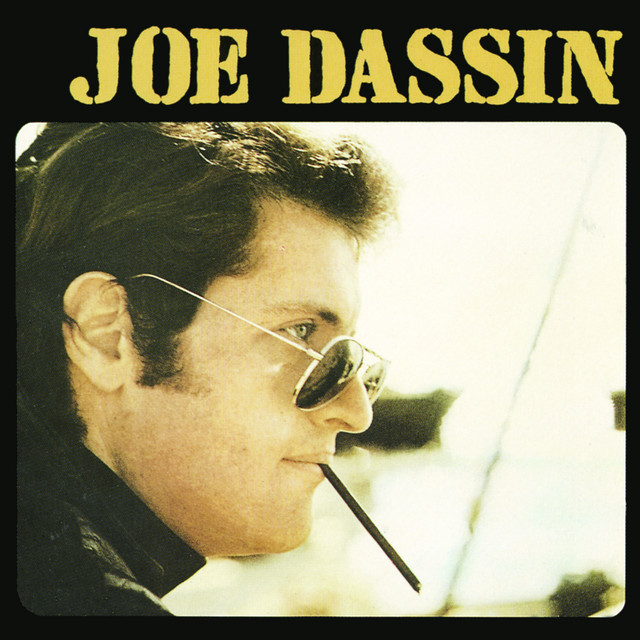
Why "La bande à Bonnot" Feels Like a Crime Ballad
The meaning of La bande à Bonnot Joe Dassin starts with a simple idea: this is not just a song about robbers. It is a fast-moving story about modern crime, public fascination, and the collapse of outlaw fantasy.
"La bande à Bonnot" - Joe Dassin
Une auto démarra et dans la terreur
La bande à Bonnot mit les voiles
Loading lyrics...
Unable to load lyrics
We're unable to display the lyrics at this time. Please try again later.
Joe Dassin takes a real historical name and turns it into a dramatic chanson. The result feels lively on the surface, but underneath, it warns that speed, money, and notoriety do not lead to freedom. They lead to a dead end.
A True-Crime Story Told Like Popular Legend
The song draws on the real Bonnot Gang, an anarchist-linked criminal group active in France in 1911–1912, known for robberies and for using automobiles in ways that shocked the public of the time. That history is well documented in general reference sources such as the Bonnot Gang overview at Britannica and historical summaries at Encyclopaedia.com.
In the lyric, the opening robbery is told almost like a newspaper report set to music. A getaway car starts, panic spreads, and the gang vanishes with stolen money. The song quickly establishes its main tension: these men seem powerful because they are mobile, organized, and modern.
That matters because the gang is not described as old-fashioned bandits on horseback. They are bandits en auto
. That short phrase does a lot of work. It links crime to technology, making the gang feel frighteningly new.
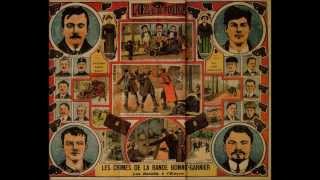
Watch the official La bande à Bonnot
music video
What the Song Is Really Saying
At its core, the song is about how notoriety can look glamorous for a moment, then turn tragic. The verses move from daring robbery to pursuit, then to siege, arrest, and transport. The path is clear and brutal.
Interpretation: Joe Dassin seems less interested in praising criminals than in showing how myth gets built. Every repeated mention of the group’s name makes them sound larger than life. But the final scenes strip that legend away.
The ending matters most. Once the gang is in custody, the mood changes sharply. The phrase tragique destin
tells listeners how to read the whole story. What sounded thrilling at first was always heading toward disaster.
How the Plot Builds Its Meaning
From robbery to pursuit
The first half of the song focuses on action. There is a bank theft, a clean escape, and helpless authorities left behind. Even the speed of the getaway becomes part of the song’s character.
When the lyrics mention trente-cinq à l'heure
, the number may sound modest today. In context, though, it signals a new kind of criminal advantage: speed that ordinary systems of law struggle to match.
From fantasy to collapse
Midway through, the song reveals Bonnot’s inner desire. They dream of luxury and a brighter life, imagining places like Monte Carlo. That detail shifts the song from public action to private ambition.
This is one of the smartest turns in the lyric. The criminals are not driven only by chaos. They want comfort, status, and escape. In other words, they chase the same dreams many people do, just through violence.
Then reality arrives. Police surround the hideout, crowds gather, and the gang’s myth becomes public spectacle. The image of all Paris showing up makes the downfall feel theatrical, almost like society itself has come to witness the end.
The Refrain Turns Men Into Myth
The repeated line centered on la bande à Bonnot
acts like a chant or headline. It gives the song a strong hook, but it also shows how names become legends.
Interpretation: Each repetition carries two meanings at once:
- it boosts the gang’s notoriety;
- it reduces them to a label the public can repeat;
- it turns individuals into a symbol of fear and fascination.
That is why the refrain feels catchy and uneasy at the same time. It sounds memorable, but it also hints at how the media and the crowd can transform criminals into dark celebrities.
Sound, Style, and Storytelling
Joe Dassin was known for clear vocal delivery and narrative-focused pop performance, as noted in artist profiles such as AllMusic. In a song like this, that clarity matters. The vocal style helps listeners track events almost scene by scene.
The arrangement, in broad terms, fits French pop and chanson storytelling. Rather than drowning the lyric in abstraction, the music likely supports forward motion with a steady pulse and strong phrasing. That makes the story feel like a rolling chase.
Interpretation: The production choice to keep the narrative front and center mirrors the song’s theme. This is a tale meant to be followed, not just felt. The listener is carried from robbery to reckoning with little room to escape the ending.
Why American Listeners May Still Connect
For a U.S. audience, the song can recall the appeal of gangster ballads, outlaw films, or folk songs about famous fugitives. The pattern is familiar: crime creates myth, myth attracts attention, and attention hides the cost.
That is a big part of the meaning of La bande à Bonnot Joe Dassin. The song understands the thrill of outlaw stories, but it refuses to leave them in the realm of cool style. Handcuffs, crowds, and the police van bring the fantasy back to earth.
Et menottes aux mains
Tragique destin
Those brief lines summarize the song’s final judgment. However modern or bold the gang seemed, the story ends in restraint, not freedom.
The Final Take on the Song’s Message
In the end, this is a song about modern crime as public theater. Cars, headlines, crowds, and repeated names all help build a legend. But Joe Dassin’s narrative keeps pulling that legend apart.
The most convincing reading is that the song captures both attraction and warning. It knows why people look at outlaws with curiosity. It also shows why that curiosity should never be mistaken for admiration.
Disclaimer: This interpretation is based on the song’s lyrics, historical context, and musical presentation. As with any song, listeners may hear different meanings in its tone and emphasis.







