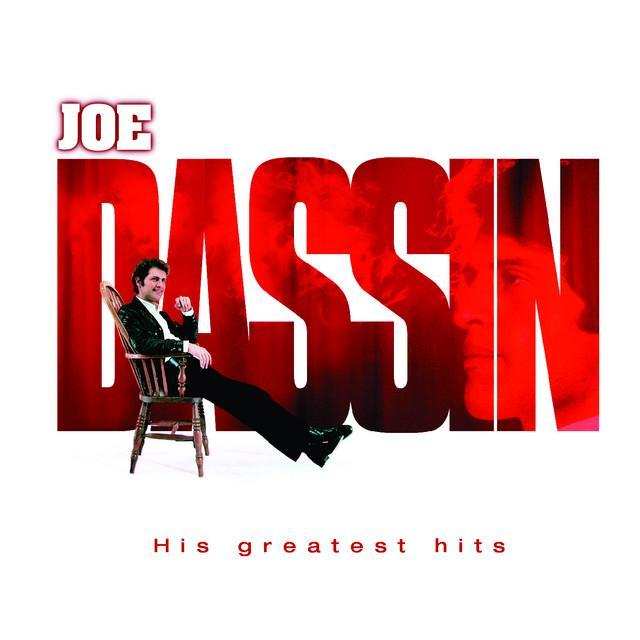
Les Dalton by Joe Dassin Meaning Explained
The meaning of Les Dalton Joe Dassin comes down to a simple but clever idea: this is a comic ballad about villains who are so wicked, and so foolish, that they become a moral lesson instead of a threat. Joe Dassin and his co-writers tell the story like a fake frontier legend, but the real point is not fear. It is ridicule.
"Les Dalton" - Joe Dassin
La cruelle et douloureuse
Histoire des frères Dalton
Loading lyrics...
Unable to load lyrics
We're unable to display the lyrics at this time. Please try again later.
The song presents the Dalton brothers as born criminals, then keeps raising the absurdity until their own greed destroys them. That mix of menace and silliness is what gives the track its charm.
A Wild West Joke With a Moral Core
From the opening, the narrator sounds like someone about to tell an old cautionary tale. They ask listeners to hear the painful story of the brothers and treat it as an example. That framing matters because it puts the song halfway between a campfire legend and a children’s fable.
The lyrics call the Daltons l'incarnation du mal
, but the song does not ask the audience to take that literally in a realistic sense. Instead, it uses exaggerated evil to make the brothers look ridiculous. Interpretation: the song is less interested in crime itself than in mocking the idea of outlaw glamour.
This is why the track feels playful even when the details are harsh. The violence is so over-the-top that it becomes cartoonish. Rather than building sympathy, the song builds distance.

Watch the official Les Dalton
music video
How the Story Builds Its Joke
The verses move in a straight line, showing the brothers at different stages of life:
- As children, they are already warped.
- As they grow up, their crimes become more bizarre.
- As adults, they are described as a danger to everyone around them.
- In the end, justice wins because they are greedy and foolish.
That last turn is the key to the song’s message. The brothers do not fall in a noble showdown. They effectively trap themselves because they want money. The lyric idea that they turn themselves in for the bounty makes them look plus bêtes que méchants
—more stupid than evil.
That is the punch line the whole song is building toward.
Why the Chorus Matters So Much
The chorus is short, catchy, and theatrical. The repeated Tagada, tagada
sounds like a galloping horse or a comic Western fanfare. It gives the Daltons a big entrance every time, as if they are legendary outlaws riding into town.
But the hook also undercuts them. After that dramatic build, the phrase y a plus personne
wipes away their myth. In plain terms, the song says their menace does not last. They arrive loudly, but they end up gone.
Interpretation: the chorus makes fun of how legends are built. It gives the brothers a heroic sound, only to remind the audience that they are not heroes at all.
The Comic-Book Shadow Behind the Song
The title and subject clearly point toward the Dalton brothers from the Lucky Luke universe, created by Morris and developed with writer René Goscinny, where the Daltons are recurring outlaw figures in a comic Western world. That background helps explain why the song feels exaggerated, visual, and fast-moving. The characters are not presented as psychological portraits. They are archetypes.
Joe Dassin was known for accessible, story-driven French pop, and that style fits this material well. Based on the provided credits, the song was written by Joe Dassin, Frank Thomas, and Jean-Michel Rivat. Their approach turns pop music into a mini narrative, with each verse adding a fresh gag.
Sound and Production: Bright Music, Dark Humor
Musically, the song works because the arrangement does not wallow in danger. It moves with bounce and clarity, more like a novelty tune than a tragic ballad. That contrast is essential.
A grim arrangement would make the violence heavy. A bright French pop setting makes it satirical. The likely effect is a smiling surface over a nasty story, which keeps the audience aware that this is performance and caricature.
The sing-song rhythm also helps the storytelling. Repetition makes the chorus memorable, while the quick pacing lets the verses stack absurd images one after another. In other words, the production supports the joke by keeping everything light on its feet.
What the Song Says About Evil
One of the smartest things in the meaning of Les Dalton Joe Dassin is that evil is shown as pathetic, not powerful. The brothers are not mysterious rebels. They are childish, greedy, and self-defeating.
Several lyric ideas support that reading. The song shows them as corrupted from school age, then keeps adding grotesque actions that feel too theatrical to admire. Even the warning to avoid them is so exaggerated that it becomes funny rather than frightening.
Interpretation: the song suggests that wickedness often carries its own punishment. The Daltons collapse because their vanity and greed are stronger than their survival instincts.
Another Possible Reading
There is also a lighter reading: the song may simply be enjoying the pleasure of storytelling. On that level, the point is not deep morality but performance. The narrator gets to present outrageous villains, the chorus gives them a theme, and the ending rewards the audience with a joke.
Both readings can be true at once.
Why the Song Still Works
What keeps the song effective is its balance. It gives listeners a fun rhythm, a memorable hook, and a clear story, but it also quietly rejects the romance of the outlaw. The Daltons are not cool. They are a warning wrapped in a cartoon.
That is the heart of the meaning of Les Dalton Joe Dassin: crime is not glamorized here. It is turned into a farce, and justice arrives not through grandeur but through the villains’ own stupidity.
In that way, the song feels witty, efficient, and sharply constructed.
Disclaimer: This interpretation is based on the lyrics provided, the song’s comic tone, and publicly known context around Joe Dassin and the Dalton characters. As with any song, listeners may hear additional meanings.








