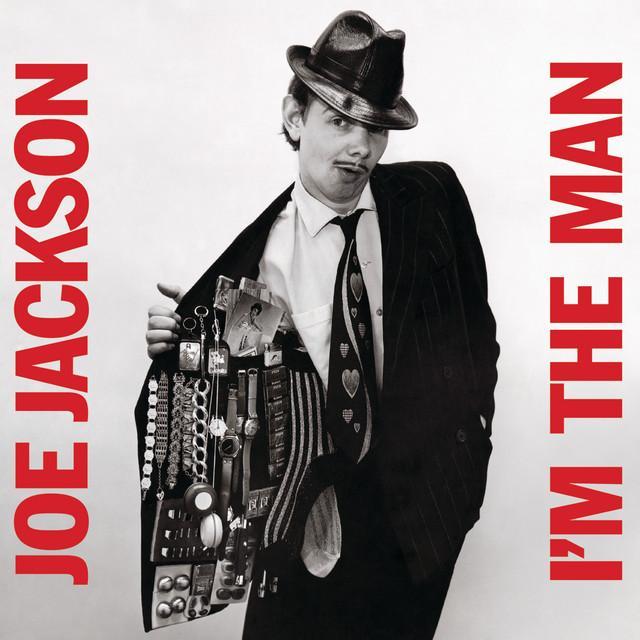
How Joe Jackson Turned Hype Into Satire
The meaning of I'm The Man Joe Jackson becomes clear as soon as the song starts talking like a salesman, a hustler, and a pop celebrity all at once. Rather than offering a sincere anthem of self-belief, the track builds a character who brags about creating trends, shaping taste, and taking the audience’s money.
"I'm The Man" - Joe Jackson
Why 'know I'm gonna make a comeback
And like the birds and the bees in the trees
Loading lyrics...
Unable to load lyrics
We're unable to display the lyrics at this time. Please try again later.
That is what makes the song fun. It is sharp, catchy, and funny on the surface, but beneath that energy is a sneer at hype culture. Joe Jackson, part of the late-1970s new wave scene, often wrote with intelligence and bite, and this track is one of his clearest satirical performances.
The real target is the culture of selling
At its core, the song is about commercial manipulation. The speaker acts as if they can invent crazes on command, then package them as must-have ideas. When they say give me all your money
, the line is not subtle. It turns the whole relationship between entertainer and audience into a cash transaction.
The verses keep building that idea. The narrator claims to know how to reach the masses
, use media, and turn cheap ideas into profit. They admit, in effect, that they have the trash
while the public has the cash. That blunt joke matters because it strips away any romance around pop culture. The song suggests that many trends are not deep or meaningful; they are simply marketed well.
Interpretation: The character is not just one person. They can be heard as a blend of advertiser, promoter, media operator, and pop star. The song works because that blend feels believable.
Watch the official I'm The Man
music video
Why the chorus sounds so ridiculous on purpose
The hook is where the satire becomes impossible to miss. The repeated claim I'm the man
sounds like a victory lap, but the examples attached to it are intentionally silly. Taking credit for passing crazes makes the speaker look less like a genius and more like a shameless opportunist.
That matters because the chorus turns bragging into comedy. Instead of boasting about art, truth, or talent, the narrator boasts about gimmicks. The joke is that they still expect praise for it.
In this way, the chorus reframes the verses. Every new claim becomes more absurd, but also more revealing. The speaker thinks cultural power means being able to make people buy what they did not need yesterday.
A character built from charm, menace, and bad faith
One of the smartest things in the lyric is the tone of the narrator. They are funny, but never harmless. The smile in the song is performative. When they ask whether listeners can see them smile, the charm feels like part of the pitch.
That gives the track an edge. The speaker uses humor to soften manipulation. They sound playful while describing a system built on pressure, trend-chasing, and money. Even the references to fads and youth culture suggest a strategy: if adults are harder to sell to, they will go for your son
instead.
That line is one of the song’s sharpest insights. It points to how consumer culture often works through aspiration, novelty, and younger audiences. The song knows that influence often begins by making the next generation want the next thing.
How the music carries the joke
The performance is crucial to the meaning of I'm The Man Joe Jackson. Musically, the song is lean and punchy, with the clipped force associated with late-1970s new wave and power pop. Joe Jackson’s early work was often grouped with that scene, especially around the release of I'm the Man in 1979.
The arrangement moves fast, which suits a narrator who never stops pitching. The rhythm section pushes hard, the guitars have a tight snap, and the vocal delivery sounds half-sneer, half-sales presentation. The result is exciting enough to sell the joke from the inside.
That balance matters. If the song were slow and solemn, the satire would feel heavy-handed. Because it is wiry and catchy, listeners can enjoy the rush while noticing the critique. The sound becomes part of the message: hype is effective because it is energetic, stylish, and hard to ignore.
Artist context makes the satire sharper
Joe Jackson emerged during a moment when punk and new wave were stripping rock down and mocking old formulas. According to standard artist biographies and album references, I'm the Man followed his debut Look Sharp! and helped define his early image as a smart, sardonic songwriter. That context matters because the song is not an isolated joke; it fits a period when many artists were questioning media, fame, and pop performance.
The title track especially feels self-aware. It can be heard as a swipe at the machinery around pop music, including image-making itself. Interpretation: Jackson may be mocking not only advertisers and trend merchants, but also the music business that packages personalities as products.
Two strong ways to read it
Reading one: a satire of consumer culture
This is the most direct reading. The speaker brags about manufacturing demand, using media, and turning nonsense into money. The song exposes how hype can make almost anything seem valuable.
Reading two: a parody of the pop star persona
There is also a more self-reflective angle. The exaggerated swagger may parody the performer who believes they control culture. In that reading, the song laughs at the myth of the all-powerful tastemaker as much as at the audience who keeps buying in.
Why the song still lands
The reason the track still feels fresh is simple: trend culture never went away. The tools have changed, but the pattern remains familiar—attention, hype, personality, and profit. That makes the song feel surprisingly modern.
So the meaning of I'm The Man Joe Jackson is less about confidence than control. It is a witty, biting portrait of someone who knows how to sell emptiness with a grin.
Disclaimer: This interpretation is based on the song’s lyrics, performance, and historical context. As with most songs, listeners may reasonably hear different meanings in it.







