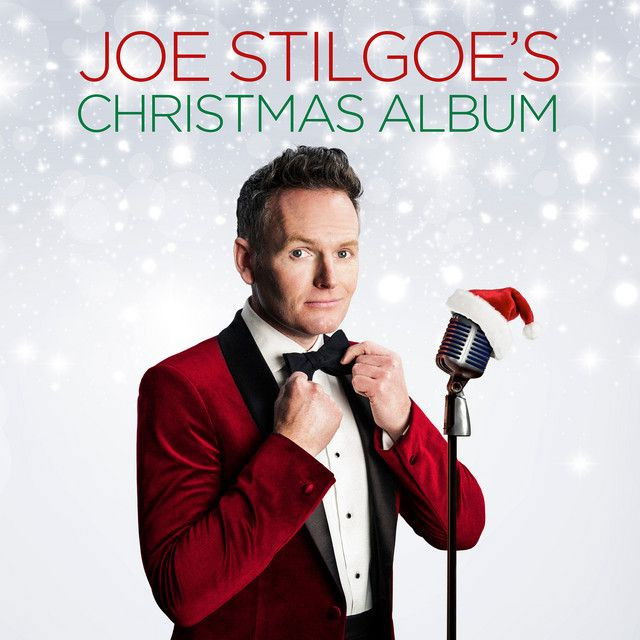
What Are You Doing New Year's Eve by Joe Stilgoe
The meaning of What Are You Doing New Year's Eve Joe Stilgoe comes down to one simple but nerve-racking moment: asking for love before the clock runs out. In Joe Stilgoe's hands, this classic standard feels playful on the surface, but underneath it carries real emotional risk. It is not just a holiday song. It is a song about timing, longing, and the fear that someone else may be chosen instead.
"What Are You Doing New Year's Eve" - Joe Stilgoe
And the couples we know are fondly kissing
Will I be with you or will I be among the missing?
Loading lyrics...
Unable to load lyrics
We're unable to display the lyrics at this time. Please try again later.
A Holiday Standard Built on Uncertainty
The song itself is a well-known American standard, most commonly credited to Frank Loesser, a major songwriter of stage and popular music. That history matters because the lyric is crafted with the clean, conversational ease that made Loesser's work last. Rather than describing a full relationship, it zooms in on one question and lets that question hold all the tension.
In this version, Stilgoe brings a polished jazz sensibility that suits the song's mix of class and vulnerability. Their performance style often blends swing, cabaret charm, and sharp phrasing, which helps the lyric feel like live thought rather than scripted sentiment.
Watch the official What Are You Doing New Year's Eve
music video
The Real Emotional Hook
At the center of the song is a person imagining New Year's Eve before it arrives. They picture bells, horns, kissing couples, and the social rush of midnight. That festive scene is important because it raises the emotional stakes. The singer is not asking about an ordinary date. They are asking about the night that seems to define romance in public.
The lyric quickly reveals the core fear: will they be present, or absent from the other person's life? That worry appears in the phrase among the missing
. In plain terms, they are scared of not being chosen at all.
Interpretation: This is why the song still connects with listeners. It captures a feeling many people know well: acting cool while quietly hoping for a life-changing answer.
How the Verses Build the Drama
The song unfolds in a neat emotional sequence:
- First, it imagines the party scene and all its pressure.
- Next, it admits that asking now may be too soon.
- Then, it wonders who will hold the loved one at midnight.
- Finally, it asks the title question directly.
That structure matters. The singer keeps delaying the question with jokes, hedges, and polite language. They say it may be much too early
, which shows self-protection. They want to ask, but they are trying to soften the risk.
Later, they imagine the other person sorting through a thousand invitations
. That exaggeration is charming, but it also shows insecurity. In their mind, the loved one is desired by everyone, while they are just hoping to make the shortlist.
Why the Chorus Lands So Hard
The repeated title line works because it sounds casual while meaning much more. Asking What are you doing
is technically simple, but in context it becomes a disguised confession. They are really asking: Is there room for me in your future, even if only for one symbolic night?
That is why the song feels elegant instead of dramatic. It never says "I love you" outright. It lets the listener hear love inside the restraint.
Will I be with you
or ... among the missing?
Those brief lines frame the whole song. The singer sees only two outcomes: connection or exclusion. There is no middle ground in their imagination.
Midnight as a Symbol, Not Just a Setting
New Year's Eve is more than a party backdrop. It represents a threshold. One year ends, another begins, and people want clarity about who matters most. The lyric uses that cultural ritual to magnify a private question.
Several motifs deepen that idea:
- Bells and horns suggest celebration, but also public pressure.
- Midnight acts like a deadline.
- Kissing couples represent belonging.
- Invitations stand for competition and social status.
- The "jackpot question" turns romance into a gamble.
That last phrase, jackpot question
, is especially revealing. It makes love sound like luck, not certainty. The singer can ask, but they cannot control the answer.
How Joe Stilgoe's Style Shapes the Meaning
A song like this depends on delivery. In a stiff performance, it can sound merely seasonal. In a smart jazz reading, it becomes a character sketch. Stilgoe's likely strengths here are swing timing, crisp diction, and a light touch that keeps the lyric from collapsing into self-pity.
That matters because the song lives between confidence and doubt. The best performances let listeners hear both. A warm piano setting, brushed drums, or classic jazz phrasing would support the lyric's emotional balancing act: festive outside, anxious inside.
Interpretation: If Stilgoe leans into wit more than heartbreak, the song can feel like flirtation with stakes. If they lean into tenderness, it becomes a portrait of someone bravely asking for a chance.
A Love Song About Timing
More than anything, this is a song about when people dare to speak. The singer does not wait until midnight. They ask in advance, hoping to avoid losing the moment entirely. That makes the song feel mature and painfully human.
The meaning of What Are You Doing New Year's Eve Joe Stilgoe is not just about romance on a holiday. It is about the fragile space before an answer, when hope is alive but not yet confirmed. That is the song's lasting power.
Final Thought Before the Ball Drops
Joe Stilgoe's version works because it honors the song's clever restraint. Beneath the seasonal sparkle is a simple truth: asking someone to share a meaningful night can feel like asking them to share a future.
Disclaimer: This interpretation is based on the lyrics provided, the song's standard context, and commonly understood features of Joe Stilgoe's performance style. Meaning in music can remain open to listener experience.








