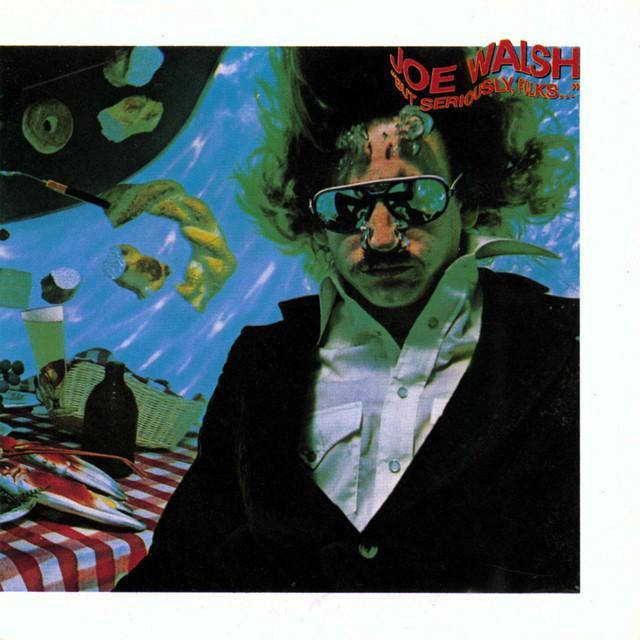
Life's Been Good by Joe Walsh
Why This Hit Still Sounds So Sharp
The meaning of Life's Been Good Joe Walsh starts with a joke, but it does not end there. On the surface, the song sounds like a funny tour through mansions, fast cars, limos, parties, and gold records. Under that humor, though, Joe Walsh is also showing how fame can turn real life into a weird performance.
"Life's Been Good" - Joe Walsh
Ain't never been there, they tell me it's nice
I live in hotels, tear out the walls
Loading lyrics...
Unable to load lyrics
We're unable to display the lyrics at this time. Please try again later.
First released in 1978 on the soundtrack to FM and then on But Seriously, Folks..., the song became Walsh's biggest solo hit in the U.S., reaching No. 12 on the Billboard Hot 100. That success matters because the song is partly about what happens when success gets so large that it starts to swallow the person who earned it.
Watch the official Life's Been Good
music video
A Self-Portrait That Makes Fun of Itself
Walsh sings in first person, but the article can read the voice as a comic mask built from real details. They describe luxury and convenience, yet each brag carries a flaw. A mansion exists, but they barely use it. A sports car can fly down the road, but they cannot legally drive it. Fans adore them, yet the office and the messages create distance instead of connection.
That is the key to the song's design: every sign of winning also hints at emptiness, inconvenience, or absurdity. When they shrug and say Life's been good to me so far
, the line works as gratitude and satire at the same time.
Interpretation: Walsh is not denying that success feels good. They are showing that the rewards of stardom often come wrapped in waste, confusion, and loneliness.
The Verses Turn Riches Into Punchlines
The opening images set the tone quickly. They mention a mansion and then undercut it with forget the price
. They also admit they have hardly been there. The point is not simply wealth. It is dislocation. Fame has bought a home, but touring has made it hard to live in one.
That same pattern runs through the rest of the song:
- possessions replace stability
- staff replace ordinary responsibility
- public attention replaces privacy
- status replaces simple pleasure
When Walsh boasts that My Maserati does one-eighty-five
, the line sounds flashy. Then the next idea punctures it: the car is useless because the license is gone. The limo solves that problem, but it creates another. Riding in back with the doors locked suggests paranoia and separation from normal life.
The Chorus Is Funny Because It Is Complicated
The chorus is simple, but its meaning shifts after every verse. At first it sounds like a lucky man counting blessings. By the second and third time, it feels more like a deadpan summary of a life that has gone off-center.
That tension is why the hook lasts. It never fully settles into pure complaint or pure celebration. Walsh leaves both feelings in place.
I can't complainsometimes they still doLife's been good to me so far
That small turn captures the song's worldview. They know they are privileged. They also know privilege does not erase frustration, boredom, or the pressure of being watched.
Fame as a Role, Not a Person
One of the smartest ideas in the song is that celebrity becomes theater. Walsh said in a BBC interview that he wanted satire and humor to comment on the silly lifestyle of someone in his position. That helps explain lines about letters from fans, an office full of awards, and messages that may never get returned.
These details show a public image growing bigger than the private self. The singer is no longer just a musician. They are a brand, a rumor, a target, and a joke all at once.
When the song says I haven't changed
, that is funny because listeners can hear the denial. The world around the star has changed, but the star has changed too, even if they resist saying it plainly.
Interpretation: This may be the song's deepest idea. Celebrity does not only bring comfort. It can freeze a person into a cartoon version of themselves.
How the Sound Delivers the Joke
Musically, "Life's Been Good" is just as important as the lyrics. The track moves with a laid-back, reggae-leaning rock groove, not a raging hard-rock attack. That relaxed pulse makes the stories feel tossed off, as if all this madness has become normal.
Walsh's guitar riff gives the song backbone, while the synth texture, including the ARP Odyssey noted in reference material, adds a glossy late-1970s sheen. The backing voices in the call-and-response sections are especially clever. They sound like a crowd helping the singer maintain his image, almost like a tiny chorus of hype men.
The production by Joe Walsh and Bill Szymczyk keeps everything crisp and roomy. Nothing sounds tragic. That matters. If the music were darker, the song would become bitter. Instead, it grins while making its point.
Why It Connected Then and Now
Critics heard the joke clearly. Rolling Stone Record Guide reportedly called it "riotous" and a major statement on rock stardom. That response makes sense because the song catches a late-1970s truth: rock stars had become symbols of excess, and Walsh was smart enough to parody the image from inside the machine.
The song still works now because modern celebrity runs on the same contradictions. Luxury can look glamorous from far away and ridiculous up close. Public adoration can still leave someone isolated. The song's humor keeps it light, but its insight keeps it relevant.
The Lasting Take on the Song
For most listeners, the meaning of Life's Been Good Joe Walsh is not that success is bad. It is that success is weird. The song laughs at money, fame, and ego, while admitting they can be thrilling. It is both a boast and a warning, both a party song and a self-correction.
That balance is why it lasts. Walsh turns autobiography into satire and satire into something surprisingly honest.
Disclaimer: This interpretation separates documented background from critical reading. Song meaning can stay open, and different listeners may hear the irony, gratitude, or sadness in different proportions.









