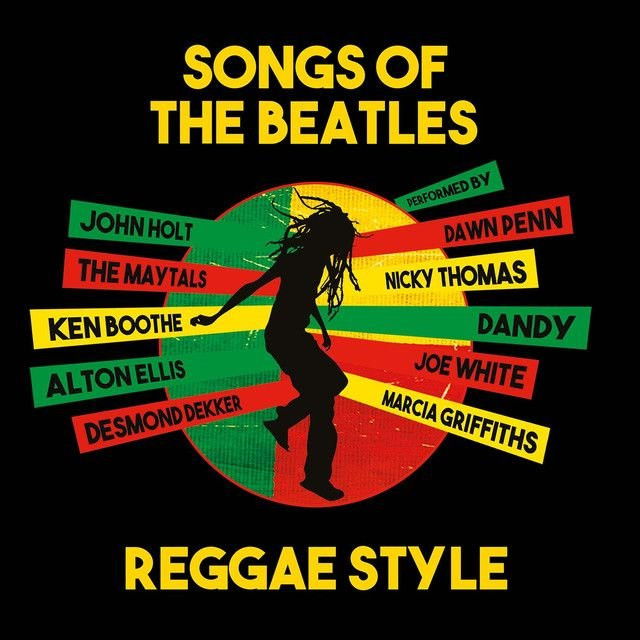
Hey Jude by Joe's All Stars
The meaning of Hey Jude Joe's All Stars starts with comfort. At its core, the song speaks to someone in pain and tries to guide them toward hope, courage, and emotional openness. Even though this version title points to Joe's All Stars, the lyrics provided are the famous words written by Paul McCartney and credited to Lennon�McCartney for the Beatles' 1968 single, a song widely understood as a message of reassurance during a hard personal moment.
"Hey Jude" - Joe's All Stars
Take a sad song and make it better
Remember to let her into your heart
Loading lyrics...
Unable to load lyrics
We're unable to display the lyrics at this time. Please try again later.
According to Wikipedia's entry, McCartney said he began the song as "Hey Jules" for Julian Lennon after John Lennon and Cynthia Lennon separated in 1968. That factual background matters because it explains why the song feels so gentle. It does not attack sadness. It meets sadness and tries to transform it.
A Consoling Song Disguised as Advice
The opening message is simple: do not stay trapped in hurt. When the singer says don't make it bad
, they are not blaming Jude for being sad. They are urging them not to let grief define the whole story.
That leads into the song's central image, take a sad song
. The phrase suggests that pain can be reworked into something meaningful. In plain terms, the song argues that a wounded life is not ruined. It can still become fuller, warmer, and more loving.
Interpretation: This is why "Hey Jude" has lasted for decades. It offers advice without sounding cold. The speaker is not saying, "Get over it." They are saying, "You can carry this differently."
Watch the official Hey Jude
music video
Who Jude Might BeAnd Why the Song Stays Open
Factually, McCartney linked the song to Julian Lennon. But the lyrics are broad enough that many listeners hear other layers. John Lennon himself said it could sound like a message to him as Yoko Ono entered his life. That reading has been discussed for years in Beatles commentary.
Interpretation: The song works because "Jude" becomes more than one person. Jude can be a child dealing with family breakup, an adult afraid of love, or anyone standing at the edge of change. The line don't be afraid
keeps the focus on fear as the real obstacle.
The song also frames love as a risk worth taking. When it says let her into your heart
, the message is not only romantic. It is about allowing feeling, closeness, and vulnerability back in after disappointment.
The Emotional Journey Inside the Lyrics
The verses move in a clear emotional sequence:
- First, the singer recognizes sadness.
- Next, they encourage bravery and action.
- Then, they warn against emotional isolation.
- Finally, they push Jude toward self-trust.
That third step is especially important. The warning about carrying too much alone suggests that suffering grows when people hide it. The song gently criticizes emotional shutdown. In other words, pretending not to care can make a person colder inside.
A key late idea appears in the movement you need
. In context, the song tells Jude to stop waiting for permission or rescue. The answer is already close. The strength they need is already with them.
So let it out and let it in
hey Jude, begin
This brief moment sums up the whole message. Healing requires openness, but it also requires action. The song does not want Jude to think forever. It wants them to begin.
Why the Music Makes the Meaning Stronger
Part of the meaning of Hey Jude Joe's All Stars comes from sound as much as words. The original Beatles recording begins intimately, with McCartney on piano and voice, then slowly expands. That arrangement mirrors the emotional message: private pain grows into shared release.
The recording was produced by George Martin, with the Beatles using eight-track recording at Trident Studios and later adding a 36-piece orchestra, as documented in the Beatles song history. Those facts help explain why the track feels so large by the end.
From Solitary Voice to Communal Release
At the start, the melody feels direct and personal. It sounds like one person sitting beside another, offering support. As the track builds, drums, backing vocals, and orchestral color widen the emotional space.
Then comes the famous long coda built around repeated vocal sounds. Even without quoting it at length, its effect is clear: the song stops being only advice and becomes a shared ritual. Listeners are invited to sing, breathe, and release tension together.
Interpretation: That ending turns private encouragement into public healing. Jude is no longer alone, and neither is the audience.
A Song About LoveBut Also Self-Belief
Many people hear "Hey Jude" as a love song, and that is fair. The repeated push to go toward another person supports that reading. Yet the deeper message may be about inner permission.
The singer keeps telling Jude to open up, act, and trust feeling instead of resisting it. So the song is not just about getting the girl. It is about becoming the kind of person who can love without fear.
That balance helps explain the song's huge impact. "Hey Jude" was a major hit in 1968, spending nine weeks at No. 1 on the Billboard Hot 100 and becoming one of the Beatles' best-known singles. Its success likely came from more than melody alone. People recognized themselves in its emotional logic.
Why This Message Still Lands Today
What makes this song endure is its kindness. It never denies pain, but it refuses to let pain have the final word. The lyrics say sadness can be reshaped, fear can be faced, and warmth is better than emotional distance.
For listeners searching for the meaning of Hey Jude Joe's All Stars, the clearest answer is this: it is a song about helping someone step out of hurt and back into life. Its words offer reassurance, and its music turns that reassurance into a big, communal release.
That is why the song still feels alive. It begins as a hand on the shoulder and ends as a room full of voices.
Disclaimer: This interpretation is based on the provided lyrics, documented Beatles history, and common critical readings. As with any song, listeners may hear personal meanings that go beyond the songwriter's original intent.







