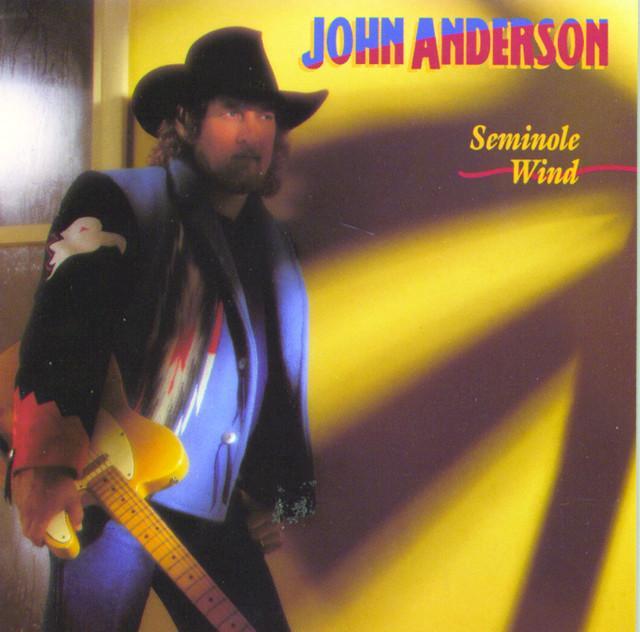
Why 'Seminole Wind' Still Hits So Hard
The meaning of Seminole Wind John Anderson comes into focus fast: this is a song about what gets destroyed when people chase profit and call it progress. John Anderson turns the Florida Everglades into more than a setting. In their hands, the swamp becomes memory, warning, and grief all at once.
"Seminole Wind" - John Anderson
Men would search for wealth untold
They'd dig for silver and for gold
Loading lyrics...
Unable to load lyrics
We're unable to display the lyrics at this time. Please try again later.
Released in 1992 as the title track from Seminole Wind, the song was written by Anderson, a Florida native, and produced by James Stroud. It reached No. 2 on the U.S. country chart and No. 1 in Canada, showing that a deeply regional song could still speak to a wide audience. Critics also noticed its balance of beauty and urgency; Billboard praised its vivid imagery and emotional force.
The Heart of the Song Is Loss
At its core, the song contrasts natural beauty with human damage. The opening looks back at old patterns of greed, where people search for riches and leave scars behind. That idea sets up the whole song: what starts as a story about mining and development grows into a larger lament about the Everglades being altered in the name of improvement.
When Anderson sings about wealth untold
and empty holes
, they are not just describing one moment in history. They are tracing a habit. The song suggests that people keep taking from the land, then moving on after the harm is done.
That is why the Everglades imagery matters so much. The black water, saw grass, birds, and animals are presented as part of a living world with its own worth. The song does not treat nature like scenery. It treats it like something injured.

Watch the official Seminole Wind
music video
A Chorus That Sounds Like a Prayer
The chorus is the emotional center. Anderson calls out, blow, blow Seminole wind
, asking the wind to move across the region. On the surface, that is a simple image. But in context, it feels like a plea for remembrance, cleansing, and maybe even judgment.
Interpretation: the wind can be heard as nature itself, but also as a spirit carrying the voices of the past. When the singer calls to it like a long-lost friend
, the song becomes personal. They are not only describing environmental damage. They are grieving a broken relationship with the land.
The named places, from Okeechobee to Micanopy, make that grief feel grounded and real. This is not a vague song about nature somewhere. It is about Florida, specifically, and about what development has cost there.
Progress Is the Villain, Not Change Alone
One of the song’s smartest choices is its wording around modern development. Anderson does not reject change in a simple, nostalgic way. Instead, they focus on the damage done in the name of flood control
. That phrase matters because it shows how harm is often justified by practical language.
The key line about people who drained the land
points straight to Everglades destruction. Song histories and commentary have long tied the lyric to the draining and development of wetland areas in South Florida. That factual background gives the song its force, because listeners can hear that this is not fantasy or symbolism alone.
History and Ghosts in the Swamp
The song becomes even heavier in the second verse, when Anderson introduces the ghost of Osceola, the famed Seminole leader. This is where the environmental theme joins Native history. The land is not empty ground in the song. It is home, refuge, and a place marked by conflict and survival.
By hearing Oseola cry
, the singer imagines the past responding to the present. That image says the destruction of the Everglades is not only ecological. It is cultural and historical too.
Interpretation: Osceola’s ghost represents memory that refuses to stay buried. The song suggests that damage to the land also dishonors the people whose lives and history are tied to it.
Why the Sound Deepens the Meaning
Part of the meaning of Seminole Wind comes from how it sounds. The track begins with slow piano and fiddle, then opens into a more driving country-rock rhythm. That shift mirrors the lyric’s movement from reflection into warning.
The fiddle is especially important. It gives the song a haunted, open-air quality, while the steady beat keeps it from drifting into sentimentality. Anderson’s vocal delivery does the same thing. They sound mournful, but never theatrical.
That restraint helps the message land. The production lets the song feel vast, like the landscape it describes, while still keeping the words front and center. It is easy to hear why the song connected beyond Florida.
Why It Endures
The meaning of Seminole Wind John Anderson still matters because the song never turns into a lecture. It stays human, specific, and sad. Anderson wrote an environmental song that feels like a country standard, which is a rare thing.
Its legacy supports that reading. The song became one of Anderson’s signature recordings, inspired later covers by artists including James Taylor and Luke Combs, and remains closely tied to conversations about the Everglades and traditional country storytelling.
Final Take
Seminole Wind is about environmental ruin, historical memory, and the pain of seeing a beloved place changed beyond recognition. Its chorus reaches for the wind, but really it reaches for connection: to land, to history, and to a moral clarity people often lose when profit enters the picture.
This interpretation is based on the lyrics, recorded performance, and documented song history. As with any great song, listeners may hear meanings beyond these readings.







