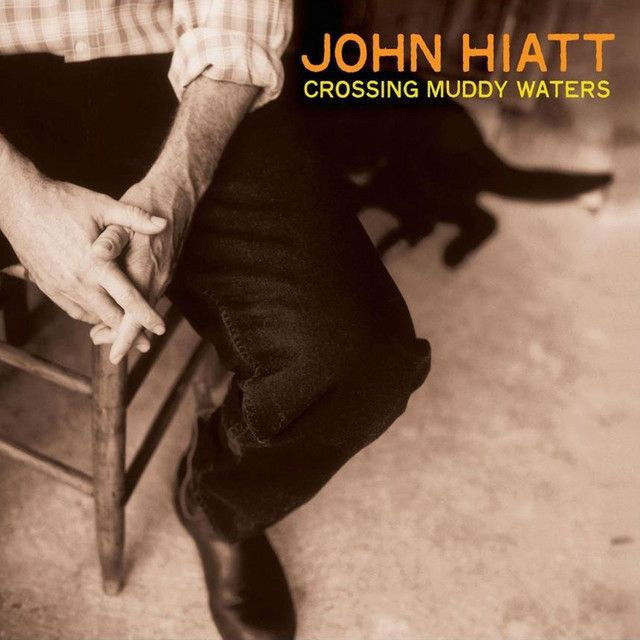
Crossing Muddy Waters by John Hiatt
A River Song About Leaving and Loss
The meaning of Crossing Muddy Waters John Hiatt starts with a simple story: a woman leaves home before sunrise, and the man she leaves behind is stunned. The song is told from his point of view, but its emotional power comes from what he cannot fully explain. He knows she is gone. He knows a child is left behind. What he does not know is whether she is escaping him, escaping pain, or being pulled by something deeper.
"Crossing Muddy Waters" - John Hiatt
She let out this morning
Like a rusty shot in a hollow sky
Loading lyrics...
Unable to load lyrics
We're unable to display the lyrics at this time. Please try again later.
That uncertainty gives the song its ache. The opening moves fast, with the woman leaving without warning
and crossing the river before the day has really begun. The narrator is left trying to turn shock into meaning.
Interpretation: this is not just a breakup song. It is also a song about how people are separated by forces that feel bigger than choice, bigger than language, and almost as old as the landscape itself.

Watch the official Crossing Muddy Waters
music video
The Story Unfolds Like a Folk Ballad
John Hiatt writes this song like an old American ballad. The plot is clear, but the emotions stay layered.
What happens in the lyric
The sequence is easy to follow:
- A woman leaves suddenly.
- She leaves behind her partner and a baby daughter.
- The man watches the river become the image of his grief.
- He remembers their love in warm, earthy detail.
- By the end, even her sorrow seems audible across the landscape.
The central refrain tells the whole emotional situation. The river is wide and deep and brown
, and she is crossing muddy waters
. In plain terms, she is moving out of reach. In symbolic terms, she is entering a painful space that the narrator cannot cross with her.
Left me in my tears to drown
She left a baby daughter
Those lines are brief, but they sharpen the stakes. This is not only romantic loss. It is family rupture.
What the River Really Means
The river is the song’s key symbol. On the surface, it is a real Southern river, muddy, physical, and hard to cross. But Hiatt makes it carry emotional and moral weight too.
Interpretation: the water stands for separation, confusion, and the mess of human feeling. Clean water often suggests peace or rebirth in songs. Muddy water suggests the opposite: unclear motives, pain that cannot be cleaned up, and love mixed with regret.
That is why the repeated image matters so much. The woman is not just walking away down a road. She is being defined by a crossing. Once she moves to the other side, the narrator is left with memory instead of contact.
There is also a hint that the river is not purely negative. Crossing can mean transition. It can suggest survival, even if survival hurts someone else. The lyric never fully condemns her. It records the wound, but it leaves room for mystery.
Memory, Nature, and a Broken Home
One of the strongest parts of the song is how it joins domestic pain to natural imagery. Tobacco fields, sunrise, dogs barking, wind, and an oak tree all make the heartbreak feel rooted in a specific world.
Hiatt also places tender memories next to present loss. The narrator recalls black eyes are ravens
and a scene where they broke the bread
together. Those details make the relationship feel lived-in rather than idealized. They shared food, drink, work, weather, and a home. That is why her absence feels so large.
The child deepens the sadness. The crying baby turns the song from private grief into a picture of a damaged household. The narrator hears not just his own hurt but the echo of hers as well. By the final verse, he imagines her crying for the child, for the husband, or for the wild force pulling her away.
Interpretation: this ambiguity is crucial. The song refuses a neat villain. It shows a broken family while still suggesting that the woman herself may be suffering.
How the Sound Supports the Meaning
Context matters here. “Crossing Muddy Waters” is the title track of Hiatt’s 2000 album Crossing Muddy Waters, released on September 26, 2000. The album was recorded in just four days, is entirely acoustic, and notably uses no drummer, according to Wikipedia’s summary of the album and sources it cites from Billboard and the Los Angeles Times. That stripped-down approach is central to the song’s meaning.
With acoustic guitar, rootsy textures, and no heavy beat pushing things forward, the track feels suspended. That makes the story sound old, almost timeless, like something passed down on a porch rather than engineered in a studio. The mandolin and slide-friendly Americana setting fit the river imagery and the rural details.
Critics noticed that restraint. AllMusic praised the album’s subtlety, while PopMatters highlighted its “back porch appeal.” Those are review judgments, not facts, but they help explain why the song lands so hard: the arrangement never distracts from the emotional weather inside the lyric.
Why This Song Still Resonates
The meaning of Crossing Muddy Waters John Hiatt lasts because it balances story and symbol so well. Listeners can hear it as a tale of abandonment, a portrait of rural hardship, or a meditation on the distances that open inside love.
Hiatt does not overexplain. He lets the river do the work. He lets memory sit beside blame. He lets sorrow move through the land itself.
In the end, the song suggests that some partings are not clean enough for closure. They are muddy, painful, and impossible to sort out in one telling. That is exactly what makes this song feel true.
Disclaimer: This interpretation is based on the lyrics, the recording context, and documented album background. As with any song, meaning can vary from listener to listener.








