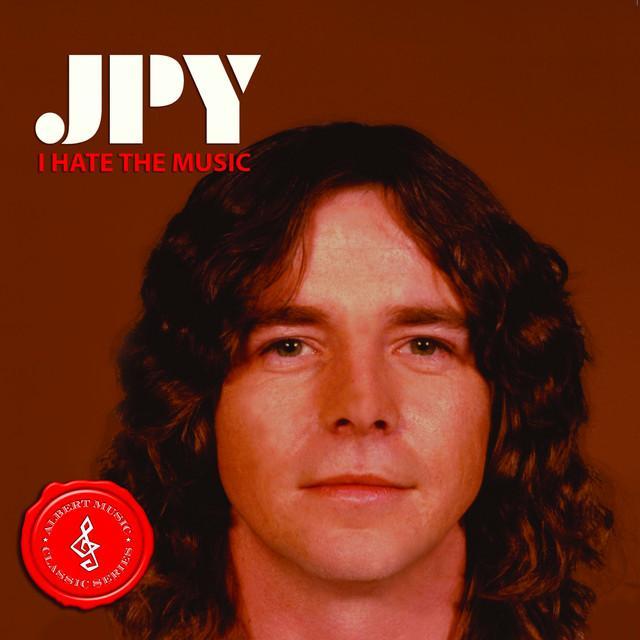
Why 'Love Is in the Air' Still Feels Magical
The meaning of Love Is in the Air John Paul Young comes down to a simple but lasting idea: when someone falls in love, the whole world can seem changed. In this song, romance is not locked inside one private moment. It feels present in nature, in sound, in light, and in the way the singer reads every part of the day.
"Love Is in the Air" - John Paul Young
Love is in the air every sight and every sound
And I don't know if I'm being foolish
Loading lyrics...
Unable to load lyrics
We're unable to display the lyrics at this time. Please try again later.
Released in late 1977 and becoming a global hit in 1978, John Paul Young's disco classic reached No. 7 on the U.S. Billboard Hot 100 and No. 1 on the U.S. Adult Contemporary chart, according to chart data summarized by Wikipedia. Those numbers help explain its reach, but they do not fully explain its staying power. The song lasts because it captures the rush of love in very clear language.
A Love Song That Turns Feeling Into Atmosphere
At first glance, the lyric seems almost childlike in its directness. The key phrase, Love is in the air
, is repeated until it feels less like a statement and more like a mood. The singer is not just saying they are in love. They are saying love feels everywhere.
That is the song's big trick. It takes one person's emotion and makes it sound universal. Everyday sights and sounds become proof that this feeling is real. This is why the chorus is so memorable: it makes private emotion feel public, almost shared.
Interpretation: The song suggests that love changes perception. Instead of proving love through logic, the singer senses it all around them.

Watch the official Love Is in the Air
music video
The Doubt Inside the Glow
What keeps the lyric from becoming too sugary is its uncertainty. The singer admits they do not know whether they are being foolish or wise. Later, they wonder if they are dreaming and whether what they feel is truth or illusion.
Those moments matter. Without them, the song would only be a celebration. With them, it becomes more human. Falling in love often brings confidence and fear at the same time.
A short cluster of lines shows this balance well:
Don't know if I'm being foolish
Don't know if I'm being wise
Even here, the lyric does not reject love. It admits confusion, then chooses belief anyway. That decision gives the song emotional weight. Love is not certain, but the singer leans into it.
How the Verses Build the Song's World
The verses widen the frame beyond one relationship. The lyric points to trees, sea, sunrise, and evening. Phrases like whisper of the tree
and thunder of the sea
make love sound both gentle and powerful.
This contrast is important. Love is shown as something soft enough to be heard in a whisper, but also big enough to roll through the world like weather. The repeated movement through different times of day also suggests that the feeling lasts. It is there in the morning, and it is still there when the day winds down.
Interpretation: Nature in the song works as emotional evidence. The singer reads the world as if it reflects what they feel inside.
The Real Person at the Center
Even though the song paints with broad images, it still comes back to one beloved person. The emotional proof arrives in intimate moments: looking into someone's eyes, hearing their name, reaching out toward them.
Short phrases like look in your eyes
and call out my name
bring the song back to earth. They remind listeners that this huge feeling starts in one connection. The world seems transformed because one person matters so much.
That balance is part of why the lyric works. It moves between the cosmic and the personal without sounding complicated. The song keeps saying, in effect, that love feels bigger than logic but is still rooted in human closeness.
Why the Disco Sound Fits So Well
The production helps carry the message. "Love Is in the Air" was written and produced by Harry Vanda and George Young, and recorded at Albert Studios in Sydney, as noted in the song's release history at Wikipedia. It runs at about 122 BPM, giving it a steady dance pulse.
That beat matters to the meaning. The music does not sound shy or hidden. It feels open, bright, and moving forward. Disco often turns emotion into motion, and this track does exactly that. The groove makes love feel social and contagious, as if the feeling could spread across a room.
John Paul Young also explained that the team shaped the track with the German market in mind after hearing more electronic club sounds there, a quote preserved in the song's background on Wikipedia. That helps explain the polished, buoyant feel. The arrangement gives the lyric lift.
Why the Song Endured Beyond the 1970s
The song's second life also adds to its meaning. It returned strongly in 1992 through Baz Luhrmann's Strictly Ballroom, where it fit perfectly with romance, performance, and public celebration. The remix helped introduce it to a new audience, and the original was later added to the National Film and Sound Archive's Sounds of Australia collection in 2017, according to Wikipedia.
That long afterlife makes sense. The song is not about heartbreak, revenge, or a trend tied to one era. It is about the rush of belief that love can reorder the world. That feeling does not age much.
What the Song Finally Says
So what is the meaning of Love Is in the Air John Paul Young? It is a song about how love can feel larger than explanation. It mixes joy with uncertainty and turns ordinary surroundings into signs of emotional truth.
Interpretation: The singer is not proving that love is objectively everywhere. They are showing what it feels like when love becomes the lens through which everything is seen.
That is why the song still works. Its message is simple, but not shallow: love can make the world feel alive, even when the heart is not fully sure what to trust.
Disclaimer: This interpretation blends lyrical analysis with verified release context. Meaning can vary from listener to listener.








