Why 'Lookin' for Love' Still Connects
The meaning of Lookin' for Love Johnny Lee is simple on the surface but deeper than its easy hook suggests. It is a song about confusing excitement with love, then finally recognizing the difference when something real arrives.
"Lookin' For Love" - Johnny Lee
Single bars and good time lovers were never true
Playing a fools game, hopin' to win
Loading lyrics...
Unable to load lyrics
We're unable to display the lyrics at this time. Please try again later.
Released in 1980 and featured on the Urban Cowboy soundtrack, Johnny Lee's recording became a major crossover success. According to available chart history, it hit No. 1 on Billboard's country chart and No. 5 on the Hot 100, helping push Lee into the mainstream. Factually, it was written by Wanda Mallette, Bob Morrison, and Patti Ryan, recorded by Lee, and produced by John Boylan.
A Heart Tired of the Wrong Choices
At the start, the song presents a narrator who has spent years chasing romance in places that only offer short-term comfort. They move through bars, flirtations, and half-truths, hoping one of those encounters will turn into something lasting. Instead, each attempt leaves them emptier.
That is why the title phrase lands so hard. When the narrator admits they were lookin' for love
in the wrong settings, the song becomes both confession and life lesson. It is not just about bad dates. It is about using the wrong measure for intimacy.
Interpretation: The song suggests that loneliness can lower a person's standards. In that state, attention may feel like affection, and temporary company may feel like destiny.
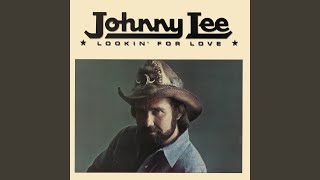
Watch the official Lookin' For Love
music video
How the Verses Build the Message
The first verse sketches a pattern of disappointment. The narrator has tried to win at what the song calls a kind of emotional game, but the rules are stacked against them. The people around them are not necessarily evil; they are simply unable to offer the honesty the narrator needs.
A key phrase is good time lovers
. In plain terms, that means partners built for the moment, not for a future. The song contrasts those casual connections with the deeper hope of finding both companionship and devotion in one person.
Later, the song shows the emotional low point: the narrator is isolated, trying to survive the night, and reaching toward strangers for comfort. That detail matters because it shows how badly they want connection. They are not cynical. They are vulnerable.
The Chorus Turns Private Pain Into a Universal Idea
The chorus is catchy, but its meaning is sharp. The narrator keeps scanning faces and eyes for signs of the dream they carry inside. They are searching outward for proof of an inward longing.
Short phrases like too many faces
and searchin' their eyes
show that the problem is not effort. The narrator is trying very hard. The problem is direction. They are looking everywhere except where trust, friendship, and commitment can actually grow.
That is what gives the chorus its staying power in American pop culture. Nearly anyone who has mistaken chemistry for compatibility can hear themselves in it.
The Turning Point Changes Everything
The song's emotional shift comes when a real partner appears. Instead of another brief encounter, this person feels immediate and solid. The line about someone coming to the narrator's heart is direct and almost fairy-tale simple, but it works because the song has earned that release.
The important change is not just that love arrives. It is that the narrator now understands what love should be. They are no longer chasing a fantasy in random places. They have found a person who is both a friend and a lover
, which the song treats as the true goal all along.
Interpretation: This is why the ending feels satisfying rather than naïve. The song is not saying romance solves everything. It is saying mature love combines desire, trust, and friendship.
Why Johnny Lee's Version Hit So Hard
Johnny Lee's performance is a big part of the song's meaning. His voice is warm and grounded, which keeps the lyrics from sounding self-pitying. Instead, they sound reflective, like someone who has learned from their mistakes.
The production also matters. This recording sits between country and soft rock, with a smooth groove, polished backing vocals, and a gentle lift in the chorus. That crossover sound matched the Urban Cowboy era perfectly and helped the song reach beyond country radio.
Research on the song's history notes that more than 20 artists had rejected it before Lee recorded it, and its exposure in Urban Cowboy gave it a huge boost. That backstory fits the song itself: a piece many overlooked eventually found the right home.
A Few Details That Deepen the Meaning
There is a subtle tension in the lyric between motion and rest. Early on, the narrator is always moving, scanning, trying, improvising. By the end, that restless search stops. The repeated idea of looking gives way to finding.
The song also uses everyday language instead of poetic abstraction. That plainspoken style is one reason it endures. The listener does not need to decode complicated symbols. They immediately understand the emotional problem.
Final Take
So, what is the meaning of Lookin' for Love Johnny Lee? It is about learning that real love cannot be built from loneliness, performance, or convenience. It has to include honesty, friendship, and emotional safety.
That message, wrapped in a smooth country-pop hit, is why the song still resonates decades later. It sounds like a singalong, but it carries a grown-up truth.
Disclaimer: This article offers interpretation based on the song's lyrics, recording context, and reception. Meaning can vary from listener to listener.








