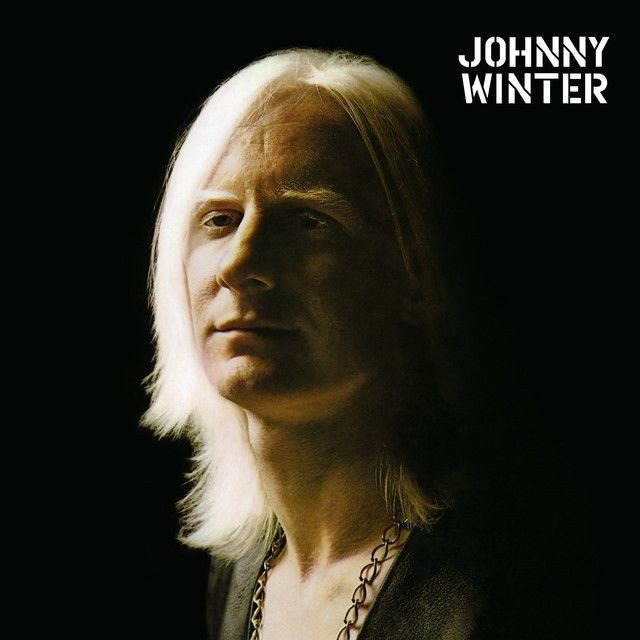
Why “Be Careful With a Fool” Cuts Deep
The meaning of Be Careful With a Fool Johnny Winter comes down to a sharp blues warning: someone who was once weak, naïve, or deeply in love will not stay powerless forever. The song turns hurt into backbone. What starts as a confession of past foolishness becomes a promise that the person who got used, mocked, or ignored can learn, cool off, and strike back emotionally.
"Be Careful With a Fool" - Johnny Winter
Man, be careful with a fool. you know, someday he may get smart
He will treat you so cool and chilly, till he hurt you to your heart
Loading lyrics...
Unable to load lyrics
We're unable to display the lyrics at this time. Please try again later.
Johnny Winter did not write the song, but his version fits his style well. Winter built his name on fierce electric blues, slide guitar, and a voice that could sound both wounded and dangerous, as heard across his AllMusic biography. That matters here, because the song’s meaning is not just in the words. It also lives in the way the performance turns regret into grit.
A Blues Warning, Not Just a Breakup Song
At the center of the song is a simple idea: be careful how they treat someone who seems easy to fool. The repeated warning, be careful with a fool
, is not only advice to a lover. It is a threat wrapped in blues wisdom.
The speaker looks back on a time when they loved too hard and accepted poor treatment. They admit they were blind, emotional, and slow to protect themselves. But the song’s power comes from change. By saying a fool may get smart
, the lyric marks the moment where pain becomes knowledge.
Interpretation: This is why the track feels bigger than a romantic argument. It is about dignity returning. The “fool” is not merely embarrassed; they are evolving.

Watch the official Be Careful With a Fool
music video
From Shame to Self-Respect
One of the strongest ideas in the song is memory. The narrator does not just say they were hurt. They say they hate remembering how foolish they used to be. That line gives the song a double edge: there is pain over the relationship, but also pain over who they became inside it.
That is a classic blues move. The song is not asking listeners to pity the speaker forever. Instead, it lets them hear someone examine their own weakness in public, then push past it. When the lyric recalls walking at night and crying over a lover, it shows obsession and loneliness without needing much detail.
I used to cry
walk the streets
Those brief images matter because they show love turning into restless suffering. The streets suggest isolation, and the late hour suggests a mind that cannot settle. In plain terms, they were undone by this person.
Who the Speaker Is Talking To
The song uses direct address, speaking to a lover as baby
and asking why they were not treated right. That keeps the message personal. This is not a general life lesson spoken into the air. It is a confrontation.
Still, the song also speaks beyond that one relationship. Blues often turns one private wound into a public truth. Anyone who has been underestimated can hear themselves in it. A “fool” here means more than someone silly. It means a person dismissed as weak, too loving, or too easy to control.
Interpretation: The sting comes from the gap between how the lover saw them and how they now see themselves. The speaker is no longer accepting that old role.
How the Music Carries the Meaning
Johnny Winter’s approach matters to the meaning of “Be Careful With a Fool.” His guitar style is sharp, urgent, and emotional, and his career in Texas blues and electric blues gave him a natural feel for songs about wounded pride and defiance, something reflected by the Blues Foundation. Even without a complicated arrangement, blues performance can tell the story through tone.
Here, the likely effect is tension between heat and control. The lyric talks about someone who will treat a person cool and chilly
until the hurt lands deep. That emotional coldness is mirrored by the song’s threatening calm. The beat and groove keep moving, but the vocal phrasing lets the warning sink in.
Winter’s singing style often sounds like a man pushing emotion through gritted teeth. That suits a song where the speaker is no longer begging. They are reporting a lesson learned. The guitar fills and vocal shouts add force, making the emotional turn feel believable rather than neat.
The Ending Changes the Whole Message
Near the end, the song says it is finally over
. That matters because it shifts the track from warning to closure. The speaker is not trapped in the same cycle anymore. They believe the relationship has reached its end.
Then comes an interesting twist: they ask forgiveness for their sin. In a blues context, that can mean many things. It may be guilt over loving too blindly, guilt over anger, or guilt over what they might do now that they have learned to fight back.
Interpretation: This ending keeps the song from becoming simple revenge. There is still conscience in it. The speaker has grown harder, but not empty.
Why the Song Still Works
Part of the lasting appeal in the meaning of Be Careful With a Fool Johnny Winter is how clearly it maps emotional change. It moves through four stages:
- A warning to the person who caused the pain.
- A confession of past foolishness.
- A memory of desperate love and mistreatment.
- A final break that restores self-respect.
That structure is simple, but blues does not need clutter when the feeling is this direct. The song understands that heartbreak can embarrass as much as it hurts. It also understands that learning from pain can make someone colder, wiser, and less easy to break.
The Big Takeaway
In the end, this song is about transformation. The “fool” is not frozen in shame. They learn, harden, and reclaim control after being mistreated.
That is what gives Johnny Winter’s version its bite. It turns a personal wound into a blues statement about pride, memory, and the moment a broken heart stops begging and starts warning.
Disclaimer: This interpretation is based on the lyrics, blues conventions, and Johnny Winter’s performance style. Like many blues songs, it can support more than one reading.







