How 'FREEDOM' Turns Joy Into Power
The meaning of FREEDOM Jon Batiste comes through fast: this is a song about release. Not quiet, private release, either. It is loud, physical, social, and proud. Jon Batiste builds the track around a simple idea: when people move, sing, and let themselves be seen, they can feel more alive.
"FREEDOM" - Jon Batiste
She 'bout to
Come on
Loading lyrics...
Unable to load lyrics
We're unable to display the lyrics at this time. Please try again later.
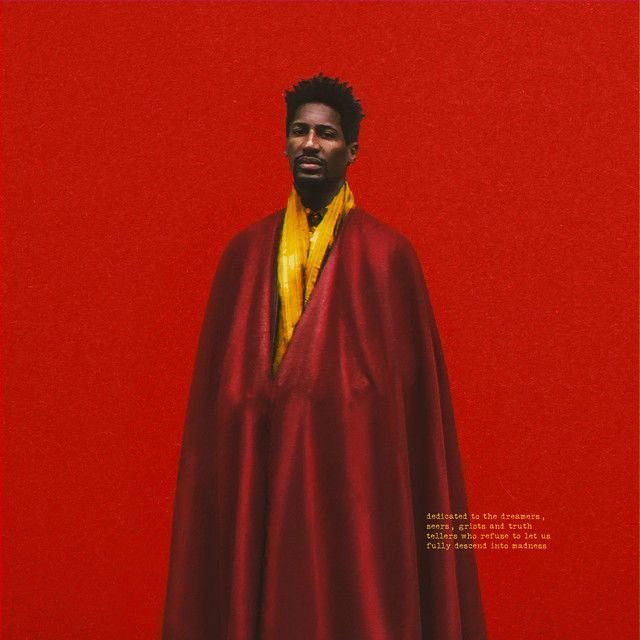
That direct message helped make "FREEDOM" one of the breakout songs from We Are, the album that later won Album of the Year at the 2022 Grammy Awards. The song itself was also recognized by major outlets and awards coverage, which speaks to how strongly its message connected in the United States during a tense cultural moment.
The Heart of the Song Is Embodied Freedom
At the center of the song is a chorus that links movement to liberation. When Batiste sings move my body
and then says he feels like freedom
, the lyric is plain on purpose. They are not hiding the theme behind abstract poetry. They are saying freedom can start as a bodily feeling before it becomes a speech, belief, or slogan.
That matters because the song keeps returning to action. It does not say freedom is only something people earn later. It says they can taste it now through expression, rhythm, and confidence. The repeated line about being free to live
pushes this further. Freedom here means the right to exist fully and joyfully.
Interpretation: The song suggests that joy is not shallow. It can be a serious form of self-claiming.
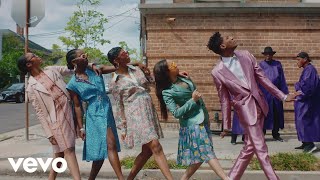
Watch the official FREEDOM
music video
Why the Lyrics Feel So Simple
Batiste often works in a style that mixes jazz, soul, gospel, pop, and New Orleans traditions, as seen across his official artist bio and coverage of We Are by Verve Records. In "FREEDOM," that mix leads to lyrics that are easy to chant and easy to share.
The verses are less about telling a detailed story than about building momentum. Lines about how someone talks, walks, and shines turn personality into a kind of proof. The song celebrates people who cannot hide their spark. Even playful images like jumped up, kangaroo
make the point that energy itself has value.
Rather than describing one struggle in detail, the lyric opens a wide door. Anyone can enter the song’s message because the words are broad, physical, and inviting.
New Orleans Is in the Song’s Bones
One reason "FREEDOM" feels so alive is that its sound and attitude pull strongly from New Orleans performance culture. Batiste was born in Louisiana and has often spoken about the city’s musical influence in interviews and profiles, including with NPR and The New York Times. The feature from Big Freedia adds another layer, bringing bounce energy and a party-starting voice that immediately widens the room.
This context changes the meaning. Freedom is not only individual here. It is communal. The call-and-response moments, chant vocals, and dance instructions make the song feel like a block party, parade, or packed floor where self-expression becomes contagious.
A short lyric snapshot
Before the hook turns back to release, the song opens the floor to everyone:
Everybody come on
Everybody come 'round
Those lines are brief, but they matter. They invite participation rather than spectatorship. Freedom in this song grows when more people join in.
How the Production Carries the Message
The production is a huge part of the meaning of FREEDOM Jon Batiste. Even without reading a lyric sheet, listeners can hear what the song wants to do. The groove is tight and springy. The horns hit with bright force. The drums and hand-percussion keep the track in constant motion.
Batiste’s vocal delivery also matters. He sounds playful, encouraging, and fully committed. He does not perform freedom as a distant concept. He performs it as a present-tense event. That is why the song feels closer to a live celebration than a private diary entry.
Interpretation: The arrangement turns freedom into something people can feel in their muscles. The sound makes the message believable.
Memory, Community, and Letting Go
One of the song’s more revealing lines says, in effect, that music can bring someone back. When Batiste references hearing a song that takes them back, he connects freedom to memory. That could mean childhood, home, church, family gatherings, neighborhood culture, or any place where joy once felt natural.
This gives the song more depth than a simple dance anthem. It suggests that music can reconnect people with parts of themselves that stress, fear, or social pressure have buried. The command to let go
is not about losing control in a reckless way. It is about dropping shame.
A Song of Joy With Serious Weight
"FREEDOM" sounds fun because it is fun. But that does not make it lightweight. Released as part of We Are in 2021, the song arrived after years in which many American listeners were thinking hard about identity, race, grief, community, and public life. Batiste’s answer was not to avoid those issues. It was to insist that joy belongs in the conversation too.
That is what makes the song land. It argues that dancing, dressing boldly, speaking freely, and taking up space are not side issues. They are part of human dignity.
What the Song Finally Says
In the end, "FREEDOM" is about more than feeling good for three minutes. It presents joy as evidence of life, movement as evidence of agency, and community as evidence that freedom grows when shared.
For many listeners, that is the lasting meaning of the song: liberation does not always arrive as a speech. Sometimes it arrives as a beat, a body in motion, and the courage to be seen.
Disclaimer: This interpretation is based on the released lyrics, performance style, and public artist context. Like all songs, "FREEDOM" can mean different things to different listeners.









