Trust by Jonas Brothers: Desire Without Safety
The meaning of Trust Jonas Brothers comes down to a simple but sharp conflict: they want someone they know they should avoid. "Trust" is not about loyalty in the healthy sense. It is about losing self-control around a person who brings back old habits, old feelings, and maybe an older version of the self.
"Trust" - Jonas Brothers
I don't trust myself when I'm around you
Lately, I don't think I even know me
Loading lyrics...
Unable to load lyrics
We're unable to display the lyrics at this time. Please try again later.
That tension gives the song its hook. The narrator is not saying the other person is mysterious. They are saying the danger is clear, but attraction is stronger than good judgment. That honesty is what makes the song feel catchy and uneasy at the same time.
The Real Heart of the Song
At its core, "Trust" is about romantic relapse. The singer knows the relationship is harmful, yet being near this person makes distance feel impossible. Early lines describe confusion about identity, then the chorus turns that into a blunt admission: I don't trust myself
.
That phrase matters because it shifts blame inward. The song is not mainly accusing the ex or love interest of lying. It is describing what happens when chemistry overrides self-protection. In plain terms, they know better, but they do not believe they will act better.

Watch the official Trust
music video
When the Past Feels Better Than the Present
The verses show why this person still has power. The narrator remembers a closeness that once felt natural and complete, using the short image old me
to suggest that this relationship reactivates a former self. That can sound sweet at first, but the song quickly makes it darker.
Memory becomes a trap. They are not just missing a person; they are missing the version of life that came with them. That is why the desire feels bigger than simple attraction. It is tied to nostalgia, identity, and habit.
A Quick Timeline of the Story
- They feel emotionally disoriented without this person.
- The person returns and old patterns wake up.
- Attraction feels immediate and physical.
- The narrator admits the relationship is unhealthy.
- Even with that knowledge, they still want it.
That sequence is the engine of the song. Every section circles the same hard truth: awareness does not guarantee restraint.
Why the Chorus Hits So Hard
The chorus works because it is plainspoken. There is no complicated metaphor covering up the problem. The singer admits they start doing things I never do
and acting against their own interests. The line lands because it sounds like the moment after a bad decision has already begun.
Interpretation: this chorus is really about boundaries collapsing. The word “trust” usually points to faith in another person, but here it becomes self-doubt. That twist gives the song its emotional bite. It is less “Can they be trusted?” and more “Can I survive my own reaction to them?”
Desire, Body, and Loss of Control
The song also uses physical language to show how desire takes over thought. A line like weak in the knees
is familiar pop writing, but here it helps show the body defeating the mind. The narrator is not making a calm choice. They are overwhelmed.
That makes "Trust" feel more urgent than reflective. Even when they say this person is bad for my health
, the wording sounds immediate, almost breathless. It is half warning, half surrender.
I know that I'm better off without you
But I know that I could never live without you
This is the song's clearest contradiction. It captures toxic attachment in two short lines: reason says leave, emotion says stay. The whole track expands that split.
How the Sound Supports the Meaning
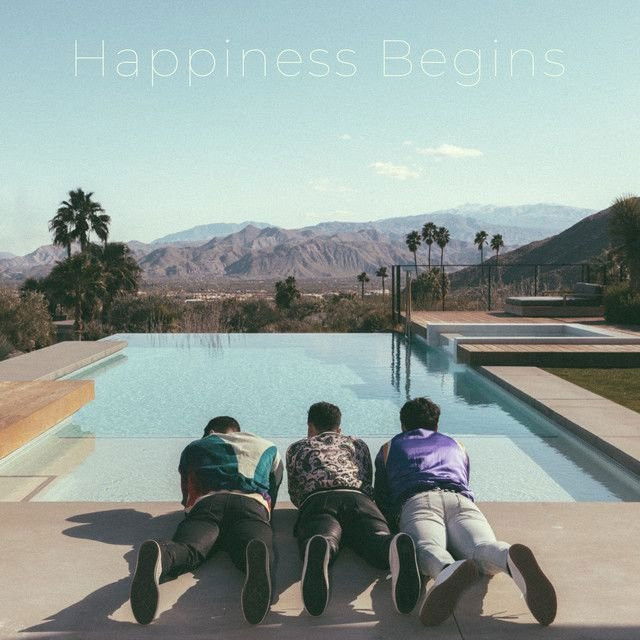
The Jonas Brothers are an American pop-rock band formed in 2005, made up of Kevin, Joe, and Nick Jonas, and their long career has moved from Disney-era guitar pop into sleeker adult pop sounds, especially after their 2019 reunion and the success of Happiness Begins. "Trust" fits that later style.
Production-wise, the song leans on a glossy, rhythmic pop setup rather than heavy rock drama. The beat keeps things moving forward, which mirrors the narrator's inability to pause and think clearly. The repeated hook feels almost compulsive, like the same thought looping in their head.
Vocally, the performance sells the conflict by balancing cool control with flashes of desperation. The melody is smooth, but the words are not calm. That contrast helps the meaning of Trust Jonas Brothers land: temptation often arrives dressed as pleasure, not chaos.
Artist Context Makes the Theme Stronger
The group has often balanced polished pop with emotionally direct writing. Even in earlier material, they favored clear hooks and strong emotional statements rather than dense poetry. That style works well here because "Trust" depends on instant recognition. Most listeners understand the feeling of knowing something is wrong and wanting it anyway.
Their broader catalog also helps frame the song. Across different eras, they have sung about longing, regret, confidence, and commitment. "Trust" stands out because it strips romance of fantasy. It shows attraction as destabilizing, not healing.
One Main Reading, Plus Another
Interpretation 1: The most direct reading is a toxic ex song. The narrator sees an old lover, falls back into familiar behavior, and fears repeating the same cycle.
Interpretation 2: It can also be heard more broadly as a song about addiction to emotion itself. The person may matter, but what really has control is the rush they trigger: nostalgia, desire, danger, and self-erasure all at once.
Both readings fit the lyric pattern. The key idea is not just romance. It is dependence.
Why "Trust" Still Connects
What makes the song relatable is its lack of moral posing. The narrator does not pretend to be wise or fully healed. They know the truth and still feel pulled in the wrong direction. That is a very human confession.
In the end, the meaning of Trust Jonas Brothers is about the frightening gap between insight and action. They understand the risk, but understanding does not free them. The song turns that weakness into a sleek, memorable pop confession.
Disclaimer: This interpretation is based on the released lyrics, performance, and public artist context. As with most songs, listeners may hear different meanings.









