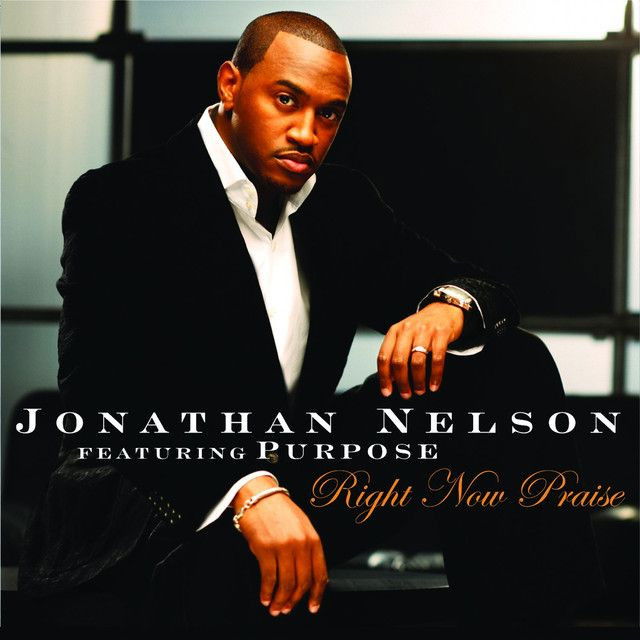
Why 'My Name Is Victory' Hits So Hard
The meaning of My Name Is Victory Jonathan Nelson comes down to one big idea: this is a song about refusing to define life by fear, loss, or pressure. Instead, it speaks identity through faith. Jonathan Nelson turns a simple statement into a gospel mantra, using repetition to make listeners feel that victory is not just wished for, but claimed.
"My Name Is Victory" - Jonathan Nelson
I?ve got evidence
I?ve got confidence
Loading lyrics...
Unable to load lyrics
We're unable to display the lyrics at this time. Please try again later.
Because the lyric is so direct, the song can seem simple at first. But that simplicity is exactly the point. It is built less like a story song and more like a declaration meant to be sung until it feels true.
A Gospel Song About Identity Before Circumstance
At its core, the song says that a believer’s identity is set by God, not by present struggle. The speaker insists they have confidence
and evidence
, then connects that confidence to divine purpose. In plain terms, the song argues that victory starts with knowing who they are.
That idea matters in gospel music, where songs often move from trouble to assurance. Here, Nelson skips long descriptions of pain and goes straight to the answer. The repeated line my name is victory
does not merely express optimism. It reframes the self.
Interpretation: the song is not saying hardship is fake. It is saying hardship does not get the final word.

Watch the official My Name Is Victory
music video
How the Verse Builds the Message
The verse expands the chorus by grounding that confidence in Christian belief. When the song says God gave authority
and that the speaker has already won
, it presents victory as a spiritual fact before it becomes a visible outcome.
This creates a clear chain of meaning:
- God gives purpose.
- That purpose creates identity.
- Identity creates courage.
- Courage becomes public praise.
That is why the song feels so steady. It is not built on changing emotion. It is built on a repeated theological claim: God has written a destiny, and the believer responds by agreeing with it.
The Chorus Works Like a Testimony
Jonathan Nelson is known in gospel spaces for songs that invite group participation and strong emotional release. In that style, the chorus is often where private belief becomes public witness. That is what happens here.
Before the title phrase lands, the lyric names certainty in short bursts. Then it arrives at the central confession:
I know who I am
God wrote it in his plan
My name is victory
Those lines matter because they connect identity, divine intention, and triumph in one movement. The song is not just celebrating a win. It is explaining why the win is possible.
Why Repetition Is the Whole Strategy
Some listeners may notice that the lyric does not develop many new images. Instead, it circles the same phrases again and again. In gospel music, that is often a feature, not a weakness.
Repetition turns the song into a practice of belief. Each return to the hook sounds like a push against doubt. By the time the lead vocal repeats the identity line several times, the song feels less like performance and more like communal affirmation.
Interpretation: this is why the track can connect so strongly in church settings. People are not just hearing a message. They are joining it.
Sound, Groove, and the Feeling of Triumph
The production style supports the lyric’s message. Even without dense poetic detail, the arrangement can carry emotional meaning through rhythm, vocal layering, and the gradual rise in intensity. Gospel songs like this often rely on a call-and-response feel, with the lead statement answered by the room or choir. That structure makes victory sound shared, not private.
The likely effect is important. Strong percussion, firm chord changes, and repeated vocal stacks make the song feel grounded and upward-moving at the same time. Instead of sounding reflective or uncertain, it sounds settled. That musical stability matches the lyric’s confidence.
The writing credit provided for the song lists Jonathan Nelson and Justin Lee Savage. That matters because the song’s directness feels intentional. The writers choose clarity over metaphor, aiming for impact listeners can remember after one hearing.
A Message for People Under Pressure
Part of the power behind the meaning of My Name Is Victory Jonathan Nelson is how usable it is. The song speaks to people dealing with fear, shame, exhaustion, or spiritual doubt. It offers a simple counterstatement: they are not defined by the battle.
There is also a subtle shift from aspiration to possession. The speaker does not say victory might come someday. They sing as if it has already been written. That present-tense certainty gives the song its lift.
In American gospel culture, that kind of language often functions as encouragement during real-life struggle. Listeners may hear it during worship, but they can also carry it into daily stress, grief, or recovery.
One Song, Two Clear Readings
There are at least two strong ways to read the song:
A Worship Declaration
In the first reading, the song is primarily directed toward God. The lyrics praise divine power and accept what God has spoken over the believer’s life.
A Personal Mirror
In the second reading, the song becomes self-address. The singer reminds themselves of truth in order to resist fear and despair. That makes it function almost like a sung affirmation.
Both readings can exist at once, which helps explain the song’s broad appeal.
The Lasting Takeaway
What makes this song memorable is not lyrical complexity. It is conviction. Jonathan Nelson builds an anthem from a few core ideas—identity, destiny, authority, and triumph—and lets repetition do the emotional work.
For many listeners, that is exactly why it lands. The song does not ask them to solve every mystery. It asks them to remember who they are.
Disclaimer: This article offers an interpretation of the song based on its lyrics and gospel context. Meaning can vary from listener to listener.








