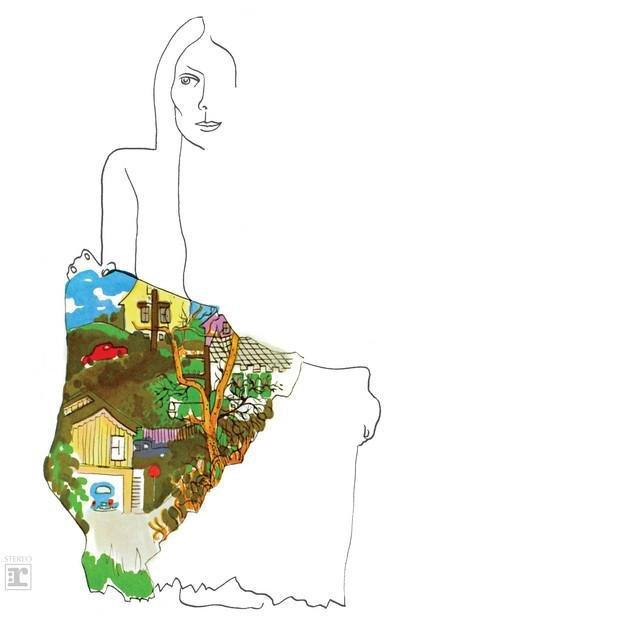
The Circle Game by Joni Mitchell
The meaning of The Circle Game Joni Mitchell centers on one big truth: growing up feels repetitive, but time only moves one way. Joni Mitchell turns that idea into a gentle, vivid song about childhood, aging, and the strange mix of loss and hope that comes with both.
"The Circle Game" - Joni Mitchell
Caught a dragonfly inside a jar
Fearful when the sky was full of thunder
Loading lyrics...
Unable to load lyrics
We're unable to display the lyrics at this time. Please try again later.
First released on Ladies of the Canyon in 1970, the song became one of Mitchell’s signature reflections on time and change. It is often praised for its emotional clarity and its place in her early songwriting peak, a period well documented by the Rock & Roll Hall of Fame and Britannica.
A Song About Time That Feels Personal
At its core, the song follows a person from childhood into early adulthood. The opening presents a young child meeting the world with awe and fear. Small details suggest innocence: curiosity, surprise, and strong feelings about nature and change.
From there, the song keeps moving through life stages. Ten years pass, then the teen years, then age twenty. Mitchell does not tell one dramatic story. Instead, they build meaning through snapshots, showing how a life can seem to turn in circles even as it steadily moves ahead.
That is why the chorus matters so much. When Mitchell sings about the seasons going round and round
and being captive on the carousel of time
, they frame life as both cyclical and irreversible. People see the same patterns return, but they cannot step backward into an earlier self.

Watch the official The Circle Game
music video
How the Verses Build the Message
Each verse marks a new stage of life, and each stage changes the emotional weight of the same idea.
Wonder turns into waiting
In the first verse, childhood feels immediate and magical. The child is close to nature and emotion, reacting to thunder, stars, and small discoveries. The world is large, and everything seems new.
In the next stage, the child has grown older, but adulthood is still somewhere ahead. The language about being told when you're older
captures a familiar feeling: adults promise that meaning and freedom are always coming later. The child starts living on expectation.
Youth becomes motion
By the teen years, the imagery gets sharper and more modern. One of the song’s smartest lines is the shift from cartwheels turn to car wheels
. In just a few words, Mitchell shows play becoming responsibility. A child’s spinning body becomes a vehicle moving through town. Freedom changes form.
Then comes the warning that time cannot be slowed. Older people tell the young to be patient, but they also suggest age arrives quickly. That contradiction gives the song much of its ache.
Why the Chorus Hits So Hard
The chorus is the emotional and philosophical center of the song. It says people are moving through repeated patterns, but they are not in control of time itself.
We can't return
we can only look behind
Those lines are simple, and that is why they land. They express a basic human experience: memory is powerful, but it does not let anyone go back. The past can be revisited only in thought.
Interpretation: The song is not arguing that life is pointless because it repeats. Instead, it suggests that repetition gives life shape. Birthdays, seasons, milestones, and disappointments come around again, but each time a person meets them as someone new.
Symbols That Make the Meaning Stick
Mitchell fills the song with images that are easy to picture and rich in meaning:
- Seasons suggest the natural cycles of life.
- The carousel suggests beauty, motion, and lack of control.
- Painted ponies make time feel childlike at first, then haunting later.
- Cars and roads hint at adulthood and social pressure.
- Dreams show that maturity involves both loss and renewal.
The final verse is especially important because it refuses total despair. By age twenty, the person has learned that some dreams lose their shine. But Mitchell adds that there will be new dreams
, maybe even better ones. That keeps the song from becoming only nostalgic.
How the Sound Supports the Lyrics
Part of the meaning of The Circle Game Joni Mitchell comes from how the song sounds. Mitchell’s recording on Ladies of the Canyon, listed by AllMusic, uses a warm, folk-pop arrangement that feels steady rather than dramatic.
The melody moves with a soft, circular ease, matching the lyric’s image of turning. The rhythm is gentle, and the vocal delivery is clear and conversational. Nothing about the performance rushes. That matters because the song is about time’s pressure, yet the music creates a small space to reflect on it.
There is also a communal feeling in the arrangement, especially in the backing vocals. That sound broadens the song beyond one person’s story. It becomes less a diary entry and more a shared truth about growing older.
Artist Context Adds Another Layer
Mitchell wrote the song during an early creative period when they were producing some of the sharpest writing of the singer-songwriter era. According to the Grammy website, their work is often noted for poetic detail and emotional intelligence, and this song is a clear example.
The track is also often discussed alongside themes of youth culture, reflection, and the passing of the 1960s idealism. Interpretation: In that wider context, the song can sound like more than a personal coming-of-age piece. It can also be heard as a generation realizing that innocence, once lost, cannot be recovered in the same form.
Why the Song Still Lasts
What keeps this song alive is its balance. It is sad, but not hopeless. It is wise, but never cold. It recognizes regret without glorifying the past.
That balance is the real power behind the meaning of The Circle Game Joni Mitchell. The song says time takes things away, but it also keeps offering new chances to feel, dream, and change.
In that sense, the circle is not a trap alone. It is also a pattern of living.
Disclaimer: This interpretation is based on the lyrics, recording, and widely known artist context. As with any song, listeners may hear different meanings in it.








